
Boiler Repair in Louisville, CO
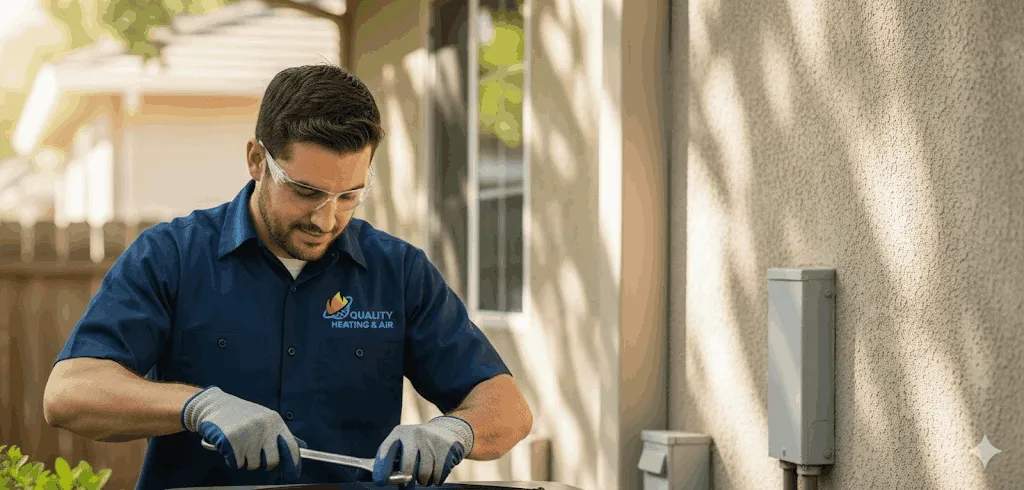
Boiler Repair in Louisville, CO
A reliable boiler is essential for comfort and safety in Louisville, CO, where cold Front Range winters, intermittent deep freezes, and snow events put heavy demand on home heating systems. Whether you are facing a sudden loss of heat in an older bungalow or noticing odd noises in a newer hydronic system, professional boiler repair in Louisville, CO focuses on restoring safe, efficient performance quickly while protecting your home and family.
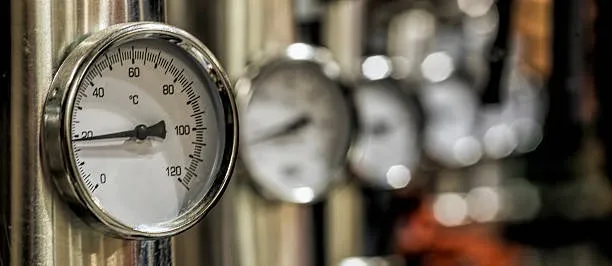
Why prompt boiler repair matters in Louisville homes
Boilers under strain can waste energy, increase utility costs, and present safety risks if left unchecked. In Louisville, freeze-thaw cycles and occasional hard water conditions can accelerate corrosion, mineral buildup, and pressure issues that shorten equipment life. Timely diagnosis and repair prevents small issues from becoming costly failures during the coldest weeks of the year.
Common boiler symptoms homeowners see in Louisville
- No heat or inconsistent room temperatures, especially during cold snaps
- Visible leaks around the boiler, tank, or piping
- Strange noises: banging, clanking, gurgling, or kettle-like sounds
- Pilot light or ignition failure on gas-fired units
- Frequent short cycling or loss of pressure in the system
- Discolored or rusty water in radiators and baseboards
- Strong fuel or exhaust odors indicating combustion or venting problems
Diagnostic and troubleshooting steps technicians perform
A structured diagnostic process identifies the root cause before repairs are recommended. Typical steps include:
- Visual safety inspection of venting, combustion area, and surrounding clearances
- Check of power, thermostat settings, fuel supply valve, and control panel codes
- Pressure and temperature verification across the system, including expansion tank condition
- Flame and combustion analysis on gas-fired boilers to confirm correct gas pressure and air mix
- Evaluation of pumps, valves, circulators, and zone controls to isolate circulation problems
- Inspection for leaks, corrosion, and scale inside heat exchangers or on piping
Homeowners can help by noting when the issue started, any recent maintenance, and specific sounds or smells, but avoid attempting repairs that involve gas, combustion, or pressurized hot water.
Typical repair procedures and parts replacement
Repairs are tailored to the diagnosis and may include:
- Ignition system service or replacement (spark, hot surface ignitor, pilot assembly)
- Repair or replacement of circulator pumps, zone valves, and thermostatic controls
- Heat exchanger cleaning or replacement where scale, corrosion, or cracks are present
- Pressure relief valve and expansion tank replacement to restore safe system pressure
- Re-piping or soldering of leaking joints, or replacement of corroded sections
- Flue and vent repair or reconfiguration to correct draft and prevent carbon monoxide issues
- Control board replacement, sensor calibration, and software resets for modern systems
Each repair option is explained with pros and cons, expected lifespan, and whether replacement is recommended based on safety and cost-effectiveness.
Safety checks and testing after repair
Safety verification is central to every repair:
- Combustion and CO testing to ensure proper venting and safe exhaust levels
- Pressure and leak testing under normal operating conditions
- Verification of proper ignition sequence and system shutoffs for gas units
- Electrical and grounding checks for boiler controls and pumps
- Functional testing of thermostats, zone operation, and system balancing
Technicians provide a clear service summary that documents tests performed, parts installed, and any ongoing recommendations.
Response times and transparent pricing expectations
Emergency boiler failures in winter require prioritized service. Typical service models include same-day or next-day scheduling for non-emergency repairs and expedited emergency dispatch when heat is lost or safety risks exist. Pricing is presented transparently with:
- A clear diagnostic fee that covers on-site inspection and testing
- Itemized repair estimates listing parts, labor, and warranty coverage before work proceeds
- Explanation of options if repair, component replacement, or full system replacement is advisable
This approach helps homeowners make informed decisions that balance short-term needs and long-term value.
Technician qualifications and brand expertise
Reliable boiler repair in Louisville requires licensed, insured technicians with specific hydronic and combustion training. Expect technicians to hold:
- State or local HVAC licenses and gas-fitting credentials where required
- NATE or similar industry certifications and ongoing manufacturer training
- Experience with major boiler brands and system types, including cast iron, steel sectional, condensing, combi, and modulating gas boilers
Technicians bring diagnostic tools for combustion analysis, pressure testing, and electrical troubleshooting to ensure repairs meet safety standards and manufacturer specifications.
Warranty and follow-up policies
Quality repairs include clear warranty terms on parts and labor and protocols for follow-up:
- Written warranty coverage for replaced parts and workmanship is provided at service completion
- Post-repair checks or a follow-up visit may be scheduled to confirm system stability during sustained cold weather
- Recommendations for routine maintenance plans to reduce the risk of emergency breakdowns and extend boiler life
Documented service records also help with future diagnostics and with any manufacturer warranty considerations.
Preventive maintenance and seasonal considerations in Louisville
Given Louisville weather patterns, seasonal maintenance reduces emergency risk. Effective maintenance focuses on:
- Fall system tune-ups to test combustion safety, flush condensate traps, and verify controls before peak heating season
- Annual checks of pumps, expansion tanks, and pressure relief devices
- Water treatment or softening recommendations when mineral buildup is detected to protect heat exchangers
- Insulating exposed piping and winterizing outdoor components to prevent freeze damage
Regular maintenance is the most effective way to improve reliability and efficiency over the life of a boiler.
How fast service is typically structured
Fast service is generally structured around emergency triage and prioritized scheduling. Emergency calls receive immediate diagnostic prioritization, safety checks, and temporary measures when needed to restore heat. For non-emergencies, clear appointment windows, pre-inspection estimates, and follow-up scheduling ensure repairs are completed with minimal disruption to daily life.
Boiler repair in Louisville, CO requires a combination of fast response, precise diagnostics, and experienced technicians who understand local climate impacts on hydronic systems. A professional, safety-first repair process restores comfort, improves efficiency, and helps protect your home through Boulder County winters.
Promotions
Save on seasonal system checks from a local team that treats your home like our own.

Testimonials
Neighbors trust Quality Heating & Air for honest work and fair pricing.