
Boiler Service in Louisville, CO

Boiler Service in Louisville, CO
Keeping your boiler running reliably is essential for Louisville homes, where cold Front Range winters and variable mountain-influenced weather demand consistent, efficient heating. Our Boiler Service in Louisville, CO explains the full range of inspection, diagnostics, repairs, installations, and maintenance options you'll need to protect comfort, safety, and energy bills.
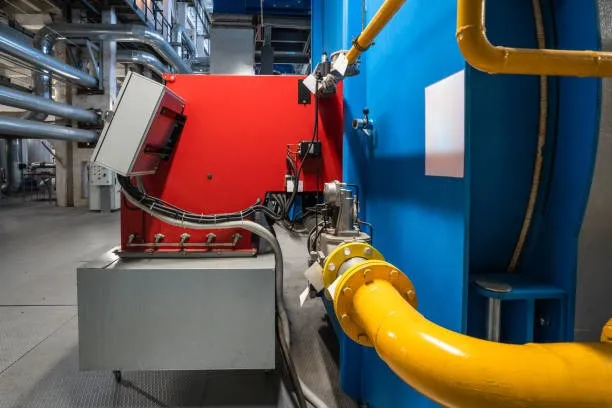
Why timely boiler service matters in Louisville, CO
- Louisville experiences long heating seasons and frequent temperature swings that stress boilers. Untreated problems reduce efficiency and raise fuel costs.
- Mineral content in local water can accelerate scale buildup in hydronic systems, reducing heat transfer and causing premature wear.
- Proper service prevents safety risks such as carbon monoxide exposure, gas leaks, or unsafe venting, all critical in higher-elevation homes with tight building envelopes.Routine, professional attention preserves system life, improves efficiency, and ensures safe operation throughout the colder months.
Common boiler problems we address (and how they show up)
- No heat or inconsistent heat: rooms cold, long recovery times, or boiler short-cycling.
- Low or fluctuating pressure: frequent need to top up system pressure or visible leaks.
- Leaks and corrosion: pooling water, rust on the boiler casing, or wet spots around piping.
- Ignition and pilot failures: repeated lockouts, yellow or irregular flame, or failure to fire.
- Strange noises: kettling (scale-related popping), banging, or whining from pumps and valves.
- Poor domestic hot water performance: slow recovery, inadequate hot water from taps (for combi or indirect systems).
- Venting and combustion issues: backdrafting, soot, or a lingering fuel smell — potential signs of unsafe combustion or blocked vents.
- Controls and thermostat malfunctions: incorrect temperature reporting or unresponsive zoning.
Inspection and diagnostics: what a professional check includes
A thorough boiler inspection in Louisville typically includes:
- Visual inspection of the unit, heat exchanger, piping, and expansion tank for leaks, corrosion, and obvious wear.
- Pressure and temperature verification and system pressurization checks.
- Combustion analysis and carbon monoxide (CO) testing when applicable to confirm safe, efficient combustion.
- Fuel system checks (gas line integrity, valve operation) and electrical component testing (relays, transformers, control boards).
- Pump and circulator assessment, zone valve operation, and air purge/venting checks.
- Water quality and scale inspection to determine if flushing, softening, or water treatment is recommended.
- Review of system controls and thermostat calibration for accurate operation.
Repairs, parts, and common solutions
- Ignition/thermocouple or control board replacement to restore reliable start-up.
- Heat exchanger cleaning or, if severely corroded, replacement.
- Circulator pump repair or replacement for lost flow and noisy operation.
- Pressure relief valve, expansion tank, or fill valve servicing for pressure stability.
- Leak location and repair (pipe, fitting, or boiler gasket).
- Combustion adjustment and vent cleaning to restore safe exhaust flow.
- System flush and descaling to remove sediment and mineral buildup that reduce efficiency.
Technicians will explain if a repair is a short-term fix or part of a broader reliability concern. Repairs use OEM-equivalent parts and follow manufacturer specifications to protect warranties and system longevity.
Installation and replacement considerations in Louisville
When a boiler replacement is the best option, professional service includes:
- Heat load calculation and system sizing to ensure the new boiler meets your home’s heating and hot water demands without excess cycling.
- Evaluation of venting requirements, fuel type (natural gas, propane, or electric), and opportunities to upgrade to high-efficiency condensing models or combi boilers for space and water heating.
- Integration with existing zoning, controls, and smart thermostats to maximize comfort and efficiency.
- Permitting and code-compliant installation, including proper venting, gas piping, and safety devices.Well-executed installations reduce operating costs and improve comfort while meeting local codes applicable in Boulder County and Louisville.
Service options: one-time visits vs. maintenance plans
- One-time diagnostic and repair: Ideal when you have a specific problem that needs immediate diagnosis and repair.
- Preventive maintenance plans: Recommended for homeowners who want long-term reliability. Typical plan benefits include scheduled tune-ups, priority scheduling during peak season, seasonal safety checks, parts inspection, and discounts on repairs. Regular maintenance can detect small issues before they become major failures and preserve manufacturer warranties.
Emergency availability and safety-first protocols
Boiler problems can be safety-critical. A qualified technician will prioritize CO testing, venting integrity, gas leak detection, and secure electrical connections before proceeding with repairs. Emergency response capability is important during deep freezes when downtime increases risk of frozen pipes and significant discomfort.
Brands and equipment commonly supported
Experienced technicians in the Louisville area service a wide range of boiler and HVAC brands, including both traditional and high-efficiency manufacturers: Weil-McLain, Burnham, Viessmann, Navien, Bosch, Lochinvar, Carrier, Trane, Lennox, Daikin, Honeywell controls, and others. Technicians are trained to follow manufacturer procedures for diagnostics, parts replacement, and warranty compliance.
Technician credentials and transparency
Look for technicians who are licensed, insured, and certified (for example, NATE certification or equivalent), with documented experience on hydronic systems. Transparent service providers will explain diagnostic findings, present repair options, outline pros and cons of replacement versus repair, and document safety checks such as combustion analysis and CO testing. Clear estimates should list parts and labor so you can make an informed decision.
Repair vs. replacement: key decision factors
Consider replacement when:
- The boiler is near or past expected lifespan (commonly 15 to 30 years depending on type and maintenance).
- Repair costs approach a significant percentage of the unit’s replacement value.
- Efficiency is low and fuel costs are rising.
- Repeated breakdowns indicate systemic wear or corrosion.Choose repair when:
- The issue is isolated, parts are available, and the system otherwise operates reliably.
- Manufacturer warranty coverage remains valid and repairs restore safe operation.
Seasonal maintenance tips for Louisville homeowners
- Schedule an annual heating-season tune-up that includes combustion testing, cleaning, safety checks, and system balancing.
- Monitor system pressure monthly and address drops promptly.
- Flush or bleed radiators and purge air from zones to maintain even heat distribution.
- Consider water treatment or softening options if your system shows scale buildup.
- Test carbon monoxide detectors regularly and replace batteries annually.
Promotions
Save on seasonal system checks from a local team that treats your home like our own.

Testimonials
Neighbors trust Quality Heating & Air for honest work and fair pricing.