
Boiler Installation in Louisville, CO
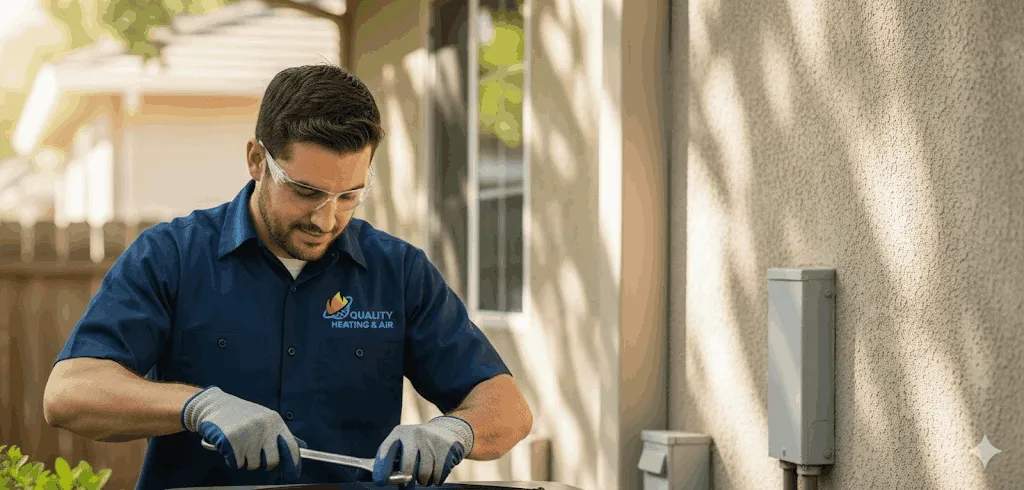
Boiler Installation in Louisville, CO
Professional boiler installation in Louisville, CO ensures reliable heat through long winters, efficient operation that lowers utility bills, and safe operation for homes in Boulder County. If your boiler is old, noisy, or failing to keep rooms warm, a correctly sized, code-compliant replacement solves comfort problems and prevents repeated repairs.
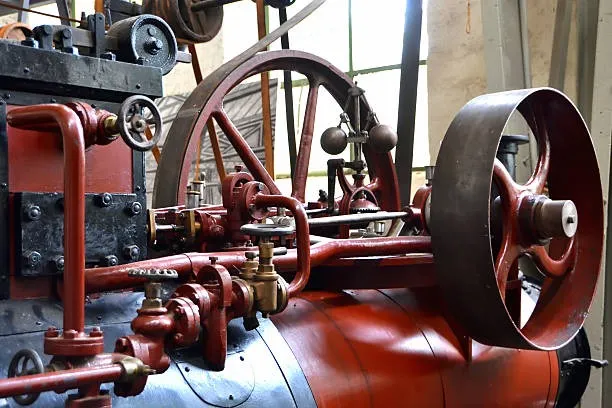
Why a professional boiler installation matters in Louisville, CO
- Louisville winters bring prolonged cold, freezes, and snow that expose undersized or poorly installed boilers.
- Many Louisville homes are older or have limited mechanical space, so careful site planning is essential.
- Elevation (roughly 5,000+ feet) and regional fuel options (natural gas or propane in some neighborhoods) require combustion and pressure adjustments for safe, efficient operation.
A professional install avoids common pitfalls: poor efficiency, uneven heating, unsafe venting, and premature equipment failure.
Common boiler types and typical installation scenarios
- Condensing gas boilers (high efficiency) — best for many modern Louisville homes wanting low fuel costs.
- Non-condensing boilers — used where venting or budget constraints apply.
- Combi boilers — provide space heating and domestic hot water in tight spaces.
- Steam vs. hydronic (hot water) boilers — older homes may have steam systems; many upgrades convert to more efficient hot water systems when practical.
Common issues homeowners face before replacement:
- Inconsistent room temperatures or long warm-up times
- Leaks, rust, or repeated part failures
- Rising energy bills with an aging unit
- Inadequate hot water or pressure in combi setups
- Unsafe venting, backdrafting, or pilot/ignition failures
Initial consultation and system sizing
A professional installation begins with a thorough consultation and on-site assessment to determine the correct boiler size and model for your Louisville home. Key steps include:
- Heat load calculation (Manual J-type assessment) that accounts for insulation, window area, home orientation, and local climate patterns.
- Review of existing distribution (radiators, baseboards, in-floor radiant) to confirm compatibility.
- Fuel source verification (natural gas availability, propane tanks, or electric options) and supply line capacity check.
- Discussion of efficiency goals, budget, and space constraints to choose between condensing or non-condensing units, modulating burners, and smart controls.
Proper sizing is crucial: oversized boilers cycle inefficiently and wear out faster; undersized boilers cannot meet peak demand on cold Louisville nights.
Site preparation: venting, piping, and fuel connections
Preparing the installation site prevents costly surprises:
- Venting: Determine direct venting vs. chimney use. Condensing units often prefer PVC or stainless venting for safe condensate handling. Existing chimneys in older Louisville homes may need relining.
- Piping: Inspect and plan boiler loop piping, condensate drains (for condensing boilers), and expansion tanks. If converting steam to hot water, expect larger piping work.
- Fuel connections: Verify gas line size and pressure or confirm propane/LP supply. Where required, a licensed fuel technician will size or upgrade lines to meet appliance demand.
- Electrical: Ensure proper circuit, disconnect, and control wiring for modern boilers and zone controls.
- Permits and access: Local permits and inspections are typically required; the work area should be cleared and accessible to technicians.
Step-by-step installation and commissioning
Typical installation sequence:
- Disconnect and safely remove the old boiler, containing and disposing of fluids per local requirements.
- Prepare the mounting pad or floor space, install vibration isolators if needed, and position the new unit.
- Complete gas, fuel, venting, and electrical connections to manufacturers specifications.
- Install system piping, zone valves, pumps, expansion tank, and controls; tie into existing distribution or install new components where required.
- Pressure-test the hydronic loop and perform leak checks.
- Fill, purge, and balance the system to remove air and ensure even flow to all zones and radiators.
- Commission the boiler: start-up sequence, flame check, combustion analysis adjustments (especially for altitude), and set control parameters (supply/return temperatures, outdoor reset if applicable).
- Perform safety checks: pressure relief valve operation, vent integrity, carbon monoxide checks, and thermostat calibration.
Commissioning ensures the boiler operates at rated efficiency and meets performance expectations for Louisville winters.
Safety, code compliance, and warranties
- Installations follow local building and mechanical codes, addressing venting clearances, combustion air requirements, and fuel piping standards. Inspectors typically verify permit compliance.
- Combustion safety checks and carbon monoxide testing are performed at start-up to protect occupants.
- Manufacturer warranty registration and explanation of coverage (parts and labor distinctions) are completed at handover; documentation for local code inspections is provided.
- Where applicable, explain service plan options and the importance of authorized technicians for warranty-preserving maintenance.
Post-installation testing, expected timeline, and cleanup
- Post-installation testing includes pressure/flow verification, temperature checks, and a full operational run-through under load. A short demonstration of system controls and zoning is provided to the homeowner.
- Typical project timelines:
- Like-for-like replacement (same location): 1 day to 2 days.
- Relocation, piping upgrades, or system conversions: 2 to 5 days depending on scope.
- Larger or complex projects (combi plus domestic integration or steam conversions): may extend longer.
- Cleanup: installers remove old equipment, dispose of hazardous materials properly, and leave the mechanical area clean. A final walkthrough clarifies maintenance needs and operating tips.
Customer guidance on operation and maintenance
- First start: Expect the system to take time to fully purge and balance. Monitor pressures and report persistent noises or uneven heating.
- Regular maintenance: Annual tune-ups before the heating season extend life, preserve efficiency, and keep warranties valid. Maintenance tasks include combustion checks, filter and strainer cleaning, expansion tank inspection, and leak checks.
- Seasonal tips: In Louisville winters, protect outdoor piping from freeze, check vents after heavy snow, and maintain adequate clearance around the boiler for service access.
- Warning signs: Unusual odors, persistent leaks, rising fuel use, cold spots in the home, or repeated short-cycling indicate a need for service.
Long-term benefits of a professional installation
A correctly specified and installed boiler delivers:
- Consistent, evenly distributed comfort through Louisville’s cold months.
- Lower fuel bills with modern high-efficiency condensing technology.
- Reduced risk of emergency failures and safer operation with proper venting and combustion setup for local elevation.
- Improved resale value and fewer disruptions from repeated repairs.
A professional boiler installation in Louisville, CO combines careful sizing, site-aware preparation, qualified commissioning, and clear homeowner guidance so your home’s heating is reliable, efficient, and safe for seasons to come.
Promotions
Save on seasonal system checks from a local team that treats your home like our own.

Testimonials
Neighbors trust Quality Heating & Air for honest work and fair pricing.