
Boiler Replacement in Louisville, CO

Boiler Replacement in Louisville, CO
Replacing a boiler is one of the most important decisions a homeowner can make for winter comfort, safety, and long-term energy costs. In Louisville, CO, where cold fronts, deep freezes, and older homes with hydronic systems are common, a properly sized, code-compliant, high-efficiency boiler can transform comfort and lower utility bills.
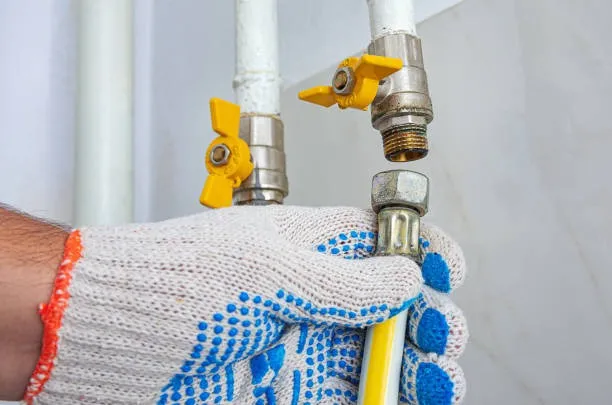
Why replace your boiler in Louisville, CO
- Older boilers lose efficiency and reliability after 15–20 years; breakdowns during a cold snap can be costly and disruptive.
- Many Louisville homes use radiators or in-floor hydronic systems that require a correctly matched boiler to maintain even heat distribution.
- Higher elevation and colder winter nights increase heating demand; upgrading to a modern high-efficiency model improves performance in local conditions.
- Newer units reduce fuel consumption and emissions and may qualify for utility rebates and federal/state incentives available to Colorado homeowners.
Common boiler replacement triggers and issues in Louisville homes
- Frequent repairs or recurring component failures (burners, heat exchangers, pumps)
- Yellow or sooty flame, pilot issues, or persistent pressure loss
- Uneven heating between rooms or long recovery times after a setback
- Old cast-iron or inefficient units with poor modulation and short-cycling
- Concerns about safety, corrosion, or code noncompliance in older installations
On-site assessment and heat load calculations
A professional boiler replacement begins with a thorough on-site assessment tailored to Louisville homes:
- Visual and functional inspection of the existing boiler, piping, radiators/baseboards, expansion tank, venting, and controls.
- Heat loss calculation for your home (room-by-room when needed) using recognized methods to determine required output. This accounts for:
- Home size, layout, insulation levels, window types, and air infiltration
- Local climate factors such as typical winter lows in Louisville and elevation impacts on combustion
- Desired indoor temperature and usage patterns
- Review of distribution system (radiators, baseboard, in-floor) to confirm compatibility with new boiler controls and water temperatures.
Accurate load calculations prevent oversized or undersized replacements, improving efficiency, comfort, and system longevity.
Comparing high-efficiency models and fuel options
Boiler choices typically hinge on fuel type, efficiency, and control capability:
- Fuel options
- Natural gas: Most common in Louisville; delivers efficient, economical combustion when properly vented and maintained.
- Propane: Used where natural gas is not available; provides similar performance with appropriate burner tuning.
- Electric or heat-pump options: Less common for whole-home hydronic systems in the area but sometimes appropriate for specific applications.
- Efficiency types
- Condensing boilers (high-efficiency): Capture heat from flue gases to reach much higher seasonal efficiencies, especially in low return-water systems such as modern radiant floors.
- Non-condensing boilers: Robust and simple; suitable where flue and return-water temperatures are high and condensing operation is not feasible.
- Controls and modulation
- Modulating-condensing units paired with outdoor reset and smart controls deliver better comfort, fewer cycles, and significant fuel savings in Louisville’s variable winter conditions.
- Compatible controls for zone valves and thermostatic radiator valves improve room-by-room comfort.
Cost considerations, financing, and rebates
Replacement cost depends on system type, complexity of piping or venting changes, required upgrades (expansion tanks, flue, controls), and permitting. While specific pricing varies, homeowners should expect cost factors to include:
- Equipment tier and efficiency
- Labor for removal, piping modifications, and commissioning
- Required safety upgrades and code-mandated venting, electrical, or gas line work
Financing and rebate landscape (general guidance)
- Many Louisville homeowners may qualify for utility rebates or energy-efficiency incentives through local utilities and state programs. Eligibility often depends on equipment efficiency ratings and program application timing.
- Federal tax credits or state efficiency programs periodically apply to high-efficiency heating equipment; documentation and manufacturer specifications are typically required.
- Home improvement financing options and energy-efficient loan programs can spread replacement costs while capturing immediate energy savings.
Timeline: removing the old unit and installing the new system
A typical replacement timeline for a detached single-family home in Louisville may follow:
- Day 1: On-site assessment, final equipment selection, and permit submission if required.
- Scheduled day(s) for installation: removal of the old boiler, evaluation/repair of piping and venting, installation of new boiler, controls, and associated hardware.
- Final day: System fill, pressure testing, combustion tuning, commissioning, and homeowner orientation.
Actual timelines vary depending on project complexity, permit turnaround with local building authorities, and parts availability. Larger jobs or those requiring significant hydronic modifications take longer.
Permitting, code compliance, and local considerations
- Louisville and Boulder County require permits for boiler replacements that involve fuel connections, venting changes, or structural alterations. Permits ensure compliance with safety codes and local amendments.
- At Louisville elevations, combustion air, venting, and combustion tuning must account for thinner air and local code expectations.
- Necessary inspections typically include gas pressure, venting, electrical, and final mechanical inspections. Proper documentation of equipment and installation is important for warranties and incentive qualification.
Warranty coverage and expected energy savings
- Manufacturer warranties vary by model and component; many high-efficiency boilers include parts warranties and extended options for heat exchangers. Labor warranties are typically provided by the installing contractor for a defined period.
- Expected energy savings depend on the replaced unit’s baseline efficiency and the new system’s modulation and controls. Upgrading from an older non-condensing unit to a modern modulating-condensing boiler often yields noticeable reductions in gas use and improved evenness of heat.
- Proper commissioning and tune-up are essential to realize the manufacturer-rated efficiency and warranty protections.
Selecting the right system for your Louisville home
Consider these factors when choosing a replacement:
- Match capacity to accurate heat-loss calculations rather than relying on the old boiler’s nameplate.
- Choose condensing technology when your distribution system supports lower return-water temperatures (radiant floors or larger radiators).
- Prioritize modulating burners and smart controls for improved comfort and lower fuel use in Louisville’s variable winters.
- If your home has historic radiators or plumbing constraints, select a solution that minimizes invasive piping changes while optimizing efficiency.
- Evaluate long-term operating cost and expected lifespan as part of the selection—efficiency gains often offset higher initial equipment costs through lower fuel bills.
Ongoing benefits and maintenance advice
- A correct replacement improves reliability, comfort, and safety and can reduce carbon footprint and energy expenses.
- Annual professional maintenance (combustion tune, pressure checks, system flushes) preserves efficiency and extends system life—especially important after a Colorado winter.
- Simple homeowner tasks—monitoring system pressure, bleeding radiators, and watching for odd noises—help catch issues early.
Replacing a boiler in Louisville, CO demands local expertise, careful sizing, and attention to code and combustion challenges at elevation. A well-executed replacement balances comfort, efficiency, and long-term performance so your home stays warm, safe, and energy-smart through every winter.
Promotions
Save on seasonal system checks from a local team that treats your home like our own.

Testimonials
Neighbors trust Quality Heating & Air for honest work and fair pricing.