Quality Heating and Air Reviews: Home Maintenance Tips and Troubleshooting for Fall
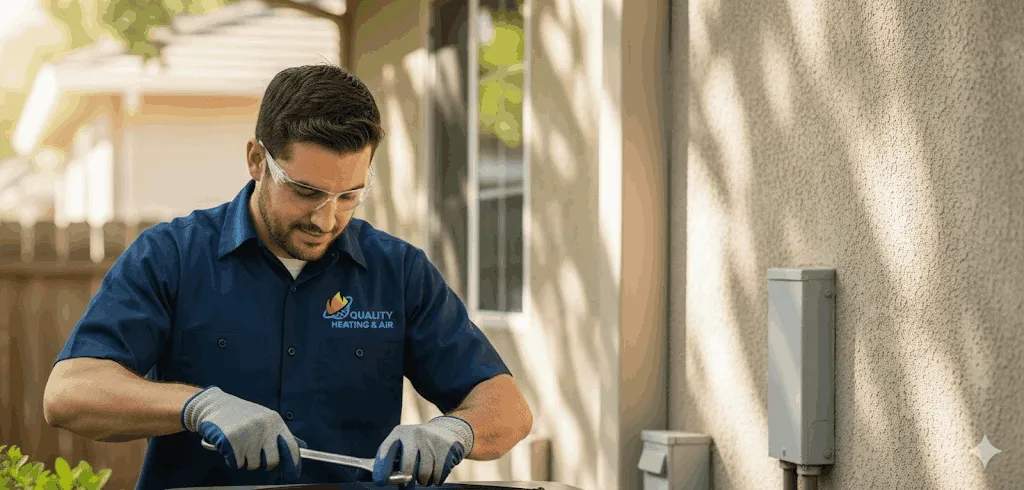

Facing the First Fall Freeze: Is Your Furnace Ready?
You flip your thermostat to "heat" as the October first freeze rolls in, only to be met with an alarming burning odor and vents that stubbornly blow cold air. At Quality Heating & Air, our team regularly helps Northglenn homeowners navigate these early-season heating hiccups. Applying reliable home maintenance tips and troubleshooting helps you confidently determine whether your system is simply waking up from a long summer nap or signaling a serious combustion hazard. The sudden drop in temperature places immense stress on dormant heating equipment, and that initial startup often brings a wave of anxiety for homeowners who rely on their furnace to keep their families safe and warm.
Here's the thing: not every strange smell or delayed warm breeze means your furnace is failing. However, ignoring the warning signs of a failing heat exchanger or electrical fault can lead to dangerous situations in the dead of winter. Knowing exactly what to look for—and what to leave to a certified technician—is the key to maintaining a safe, efficient home. If you want to see how we handle these exact seasonal transitions for your neighbors, read our latest customer reviews.
The Psychological Stress of the First Freeze
Most homeowners do not realize that the first major temperature drop is the most critical testing period for residential heating systems. After sitting unused for months, your furnace is suddenly expected to perform at peak capacity. When it stumbles, the immediate fear is often a total system replacement. By understanding the normal operational quirks of a seasonal startup, you can alleviate that panic and approach your system's performance with a clear, analytical mindset. A well-maintained system provides peace of mind through unpredictable seasonal shifts, ensuring you are never left shivering in your own living room.
Understanding the 'Burning Dust' Smell in Front Range Homes
In our years of servicing HVAC systems across the Front Range, we've found that if you notice a distinct burning odor the first time your furnace kicks on, that usually means you are experiencing routine dust burn-off. Northglenn and surrounding communities feature a semi-arid climate at an elevation of approximately 5,300 feet. Our dry, dusty summer conditions inevitably lead to a fine layer of particulate matter settling directly onto your furnace's heat exchanger while the unit sits dormant.
The Science of High-Altitude Dust Accumulation
When the thermostat triggers the ignition sequence in the fall, those burners fire up and rapidly heat the metal exchanger to temperatures that instantly incinerate the accumulated summer dust. This physical process creates a distinct, somewhat smoky odor that is distributed throughout your home via the ductwork. While the smell can be strong enough to cause concern, it is a completely normal byproduct of the seasonal transition in our regional climate.
The short answer is that a standard dust burn-off smell should dissipate within 15 to 30 minutes, or after one to two complete heating cycles. Opening a few windows to ventilate the house is usually all that is required. However, you must be able to distinguish this harmless symptom from the acrid, unmistakable odors of electrical burning, melting plastic, or the rotten egg stench of a gas leak. If you ever suspect a gas leak, evacuate the home immediately and contact emergency services. For all other persistent odors or complex performance issues, securing comprehensive HVAC services is the safest path forward.

Safe Home Maintenance Tips and Troubleshooting Steps
Before assuming your furnace is broken during the October first freeze, there are several safe, actionable steps our Quality Heating & Air technicians recommend taking to assess the situation. Empowering yourself with foundational maintenance knowledge prevents unnecessary service calls and ensures your equipment operates efficiently.
Pre-Startup Checklists and Active Diagnostics
Performing a thorough visual inspection and basic functional tests can isolate minor issues before they cascade into major repairs. Follow these numbered steps to safely troubleshoot your heating system:
1. Verify thermostat settings and power: Ensure the thermostat is explicitly set to "heat" and that the temperature is set higher than the current room ambient temperature. If the digital interface is blank or unresponsive, replace the batteries immediately before proceeding to any other troubleshooting steps.
2. Check and replace HVAC air filters: A clogged filter from heavy summer wildfire smoke or standard household dust will severely restrict airflow. When return air cannot reach the furnace, the internal limit switch may trip to prevent overheating, causing the system to blow cold air or shut down entirely. Install a fresh, high-quality pleated filter.
3. Inspect all household vents and registers: Walk through every room to ensure supply and return vents are fully open and unobstructed by furniture, heavy drapes, or area rugs. Closed vents do not save energy; they increase static pressure inside the ductwork and force the blower motor to work significantly harder.
4. Clear accumulated fall debris: If you utilize a heat pump, inspect the outdoor unit. Clear away fallen autumn leaves, overgrown vegetation, and debris from the perimeter to guarantee proper airflow across the condenser coil.
5. Test safety detectors: As a mandatory precaution before winter, test all household smoke and carbon monoxide detectors. Replace backup batteries and verify that the sensors are fully operational, as heating season inherently carries a higher risk of combustion-related incidents.
If these preliminary checks do not resolve your heating delays or airflow issues, it is time to seek reliable heating solutions from a certified professional who can safely diagnose the internal mechanisms.
Red Flags: When to Stop Troubleshooting and Call a Professional
While basic airflow and thermostat checks are perfectly safe for homeowners, modern furnaces are complex machines that handle explosive gases and high-voltage electricity. Clearly defining the boundaries of safe DIY troubleshooting is critical for your safety. There are specific warning signs that indicate a serious mechanical or combustion hazard.
Recognizing Critical System Failures
One dangerous pattern our technicians see often during Northglenn's first major cold snap is homeowners attempting to push a struggling system through the night, resulting in catastrophic component failure. If you encounter any of the following red flags, shut the system down at the thermostat and call a professional.
• Persistent Odors — Potential Cause: Melting wire insulation, failing blower motor, or cracked heat exchanger. — Required Action: Shut off system immediately. Do not run the furnace until inspected.
• Short-Cycling — Potential Cause: Overheating limit switch tripping, flame sensor failure, or severe airflow restriction. — Required Action: Check filter first; if clean, call a professional for sensor diagnostics.
• Persistent Cold Air — Potential Cause: Failed ignition sequence, faulty gas valve, or broken pilot mechanism. — Required Action: Do not attempt to manually light a sealed furnace. Request service.
• Loud Banging/Booming — Potential Cause: Delayed gas ignition causing miniature explosions inside the chamber. — Required Action: Turn off heating immediately to prevent heat exchanger rupture.
The strict safety boundary: Homeowners should never attempt to open the sealed combustion chamber, modify gas lines, bypass safety limit switches, or splice high-voltage wiring. These components require specialized diagnostic tools and rigorous safety training to service correctly.
The Value of Transparent Diagnostics
When you encounter a red flag and invite a technician into your home, you deserve more than a generic "it's broken" diagnosis. A core part of Quality Heating & Air's service philosophy is transparent communication and absolute integrity during every professional service call. We believe that an informed homeowner is an empowered homeowner.
What a Professional Diagnostic Actually Entails
Moving beyond the standard "call a pro" advice, a true professional diagnostic is a meticulous, step-by-step investigation of your system's safety and performance metrics. Technicians inspect the heat exchanger for microscopic stress cracks that could leak carbon monoxide. They test electrical safety limits to ensure the system will shut down appropriately in an emergency. They also verify proper gas pressure and combustion efficiency to ensure you are not wasting fuel.
At Quality Heating & Air, we make it a priority to walk you through these findings, explaining the "why" behind every recommendation. If a flame sensor is failing, we show you the carbon buildup. If a capacitor is weak, we explain how it affects the blower motor's lifespan. This level of detail ensures you never feel left in the dark about your own home's infrastructure. In fact, seeking multiple quotes for complex repairs can reveal stark differences in contractor integrity and industry knowledge. For a deeper dive into making the right choice, read our guide on assessing HVAC contractors beyond just the price tag.
Long-Term Benefits of Routine Seasonal Maintenance
Transitioning from immediate troubleshooting to proactive system care is the best way to protect your investment. Routine seasonal maintenance is not just a suggestion; it is a proven strategy for maximizing comfort and minimizing operational costs throughout the harsh Front Range winters.
Efficiency, Lifespan, and Warranty Protection
According to the U.S. Department of Energy, routine seasonal maintenance can reduce HVAC energy consumption by up to 15%. When your system is clean, lubricated, and properly calibrated, it requires significantly less fuel and electricity to reach your desired temperature. This preventative care actively extends the lifespan of the equipment, preventing the premature wear and tear that leads to mid-winter breakdowns. Additionally, if an aging system needs replacement, upgrading to a qualifying high-efficiency furnace or heat pump may make you eligible for generic federal tax credits or local utility incentive programs—we always advise readers to verify current programs with their utility provider or a tax professional.
Furthermore, fall maintenance provides the perfect opportunity to address lingering summer cooling issues before fully transitioning into the heating season. If your system struggled to keep up during August, those underlying airflow or electrical issues will likely plague your furnace as well. Finally, maintaining a consistent, documented service history supports active warranty claims. Manufacturers often require proof of professional upkeep to honor parts warranties. By staying proactive, you preserve both the longevity of your equipment and the long-term value of your property. If your cooling system needs attention before the snow flies, we also handle comprehensive air conditioning repair and installation.
Secure Your Comfort Before Deep Winter Arrives
As the October first freeze serves as a stark reminder of the impending winter, now is the time to ensure your heating system is safe, efficient, and ready for the heavy lifting ahead. Mastering basic home maintenance tips and troubleshooting gives you a head start, but professional validation guarantees your family's safety.
We at Quality Heating & Air remain committed to providing honest, transparent service that prioritizes your peace of mind over quick fixes. Do not wait for a minor startup quirk to evolve into a freezing night without heat. Schedule your professional inspection today and secure your home's comfort before the extreme cold sets in permanently.
Frequently Asked Questions
Why does my heater smell like burning dust when I turn it on?
Dust settles on the furnace heat exchanger during the dormant summer months. When you turn the heater on for the first time in the fall, the burners ignite and incinerate that accumulated dust, creating a temporary burning odor.
How long should a furnace smell when first turned on?
A normal dust burn-off smell should dissipate within 15 to 30 minutes. It typically fades completely after the furnace completes one or two full heating cycles. If the smell persists longer than half an hour, it requires professional investigation.
When should I call a professional for a furnace smell?
You should call a professional immediately if the odor smells like melting plastic, burning electrical wires, or rotten eggs. Additionally, if a standard dusty burning smell lasts longer than 30 minutes without fading, shut the system down and request a diagnostic.
What should I check before turning on my furnace for winter?
Start by replacing your HVAC air filter and verifying that your thermostat has fresh batteries and is set to "heat." You should also ensure all supply and return vents in your home are open and unobstructed, and test your carbon monoxide detectors for safety.
How do I troubleshoot a heater blowing cold air?
First, verify that your thermostat fan setting is on "auto" rather than "on," which blows unheated air between cycles. Next, check for a severely clogged air filter, which can restrict airflow and cause the furnace's safety limit switch to trip, shutting down the burners while the fan continues to run.
How does routine seasonal maintenance reduce HVAC energy consumption?
Routine maintenance involves cleaning critical components, calibrating the thermostat, and ensuring optimal airflow. By removing friction and resistance from the system, it operates more easily, which can reduce overall energy consumption by up to 15%.

Testimonials
Neighbors trust Quality Heating & Air for honest work and fair pricing.
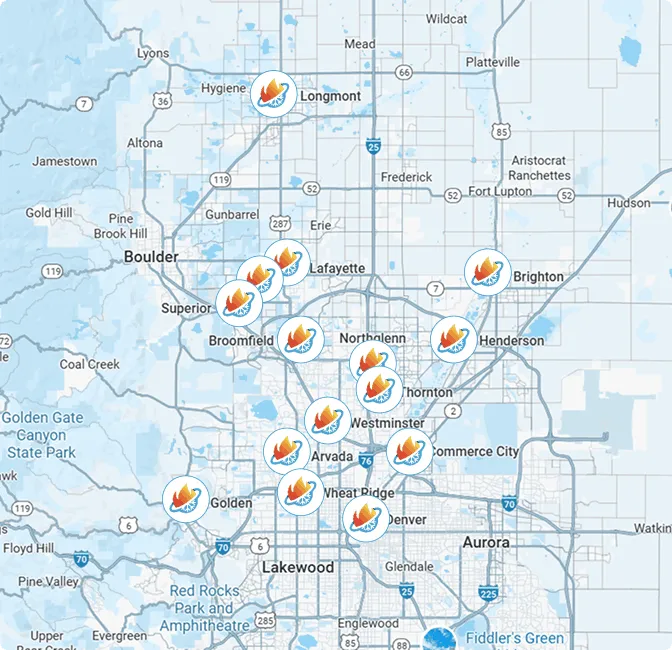
Service Areas