Why Your Old Furnace is Feeling the Heat from Modern Heat Pumps
## Heat Pump Advantages Over Traditional HVAC: What Thornton Homeowners Need to Know
The heat pump advantages over traditional hvac systems are hard to ignore in 2026 — especially when your energy bills keep climbing and your old furnace keeps demanding attention. For homeowners in Thornton and the greater Denver area, where winters bite hard and summers bring real heat, the choice of heating and cooling system matters more than ever.
Here is a quick look at why heat pumps are pulling ahead:
- Energy efficiency - Heat pumps move heat instead of generating it, delivering up to 3x more heat energy than the electricity they consume - Dual functionality - One system handles both heating and cooling, replacing the need for a separate furnace and AC - Lower utility bills - Most US households can save hundreds of dollars per year by switching from traditional systems - Safer operation - No combustion means zero risk of carbon monoxide leaks - Longer lifespan - Heat pumps typically last 15-20 years, outlasting most traditional AC units - Reduced carbon footprint - Switching can cut household carbon emissions by up to 7.6 tons per year - Cold-climate ready - Modern models operate efficiently down to -22°F, making them viable even for Colorado winters - Tax credits available - The Inflation Reduction Act offers a 30% federal tax credit through 2032
If your furnace is aging, running constantly, or driving up your monthly bills, it is worth understanding what modern heat pump technology actually offers compared to what you have now. The gap has grown significantly — and for many Thornton homeowners, the numbers are starting to make a compelling case for making the switch.
Understanding the Technology: How Heat Pumps Differ from Traditional HVAC
To understand the heat pump advantages over traditional hvac, we first have to look at how they work. Traditional systems are "specialists." A furnace specializes in burning fuel (like natural gas or propane) to create heat. An air conditioner specializes in removing heat from your home and dumping it outside.
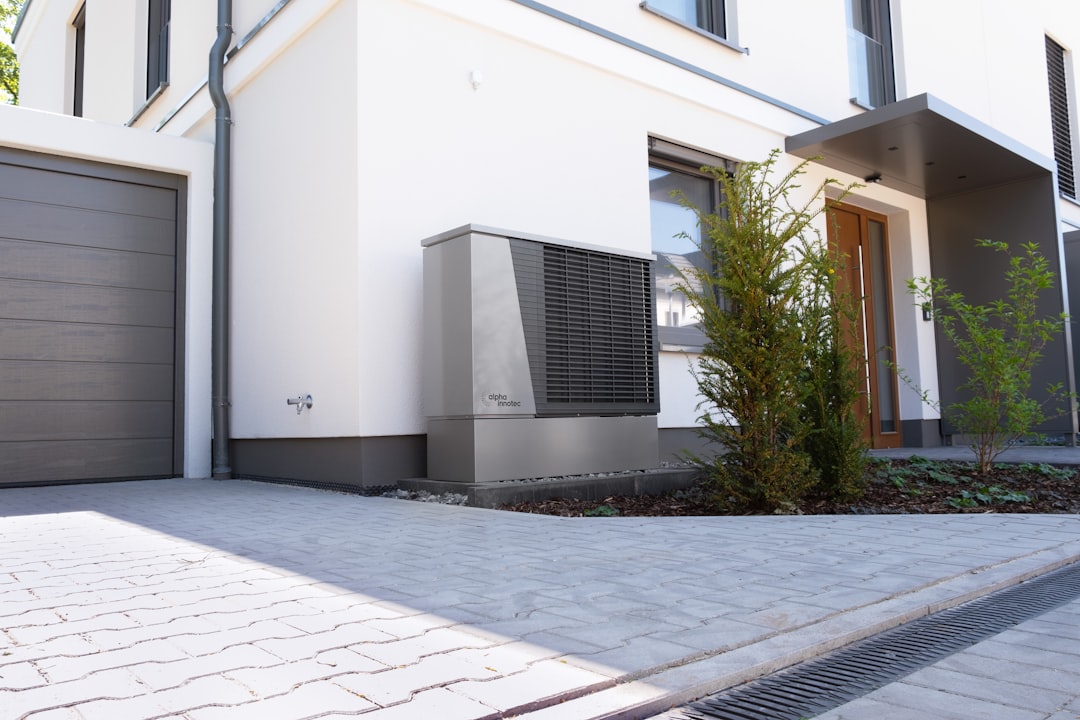
A heat pump, however, is a "multitasker." It doesn't actually create heat. Instead, it uses electricity to move heat from one place to another using a refrigerant cycle. In the summer, it works exactly like an air conditioner. In the winter, it reverses the process, extracting thermal energy from the outdoor air — yes, even when it’s cold outside — and moving it into your home.
This "moving vs. creating" distinction is the secret sauce. Because it takes much less energy to move heat than to generate it through combustion or electric resistance, heat pumps are incredibly efficient. When you utilize our Heating Services or Air Conditioning Services, we often explain that a heat pump is essentially a refrigerator that can run in reverse. Your fridge doesn't "create" cold; it just moves the heat out of the insulated box. A heat pump does the same for your entire house.
Air-Source vs. Geothermal Systems
There are two main types of heat pumps we see in the Thornton and Northglenn areas:
1. Air-Source Heat Pumps (ASHP): These are the most common. They look like a standard AC unit and swap heat with the outside air. Modern versions are specifically designed for cold climates like ours. 2. Geothermal (Ground-Source) Heat Pumps: These systems use the steady temperature of the earth (usually about 50-60°F) to swap heat. While they require more intensive installation involving underground loops, they can reduce energy use by 30% to 60% compared to traditional systems.
For homes without existing ductwork, Mini Split Systems offer a ductless air-source option that allows for room-by-room temperature control.
The Role of the Reversing Valve
The "magic" component inside a heat pump is the reversing valve. This valve allows the refrigerant to change direction.
- In Cooling Mode: The system picks up heat from your living room and releases it outside. - In Heating Mode: The valve flips, and the system picks up heat from the outdoor air (even in sub-freezing temperatures) and releases it into your home.
This year-round versatility is a major reason why heat pumps now account for more than half of all residential heating equipment sales in the US.
Key Heat Pump Advantages Over Traditional HVAC Systems
When we talk about the heat pump advantages over traditional hvac, efficiency is usually the headline. A well-maintained air-source heat pump can deliver three times the heat energy as the electric power that goes into it. In technical terms, that is 300% efficiency. Compare that to a high-efficiency gas furnace, which maxes out at about 95-98% because some energy is always lost during combustion.
Beyond the raw numbers, there are practical benefits that impact your daily life. Because heat pumps don't rely on the "all-or-nothing" blast of a furnace, they provide more consistent temperatures. You can learn more about how these systems fit into your home by viewing our Services Overview.
Year-Round Comfort: A Primary Heat Pump Advantage Over Traditional HVAC
One of the most underrated heat pump advantages over traditional hvac is how they handle comfort. Traditional furnaces can create "hot spots" and "cold spots" as they cycle on and off. Heat pumps, especially those with variable-speed compressors, stay on longer at lower speeds to maintain a steady, even temperature.
They are also champions of Indoor Air Quality. Because they circulate air more consistently, they provide better filtration and dehumidification. During our muggy Colorado summer afternoons, a heat pump can dehumidify your air more effectively than a standard central AC unit, making 75 degrees feel much cooler.
Comfort Benefits at a Glance:
- No temperature swings: Steady heat flow instead of sudden blasts. - Better humidity control: Superior moisture removal in summer. - Quieter operation: Modern units are designed to whisper, not roar. - Zoning capabilities: Easier to set different temperatures for different rooms.
Enhanced Safety: A Critical Heat Pump Advantage Over Traditional HVAC
Safety is a huge factor for families in Northglenn and Thornton. Traditional furnaces and boilers burn fossil fuels, which inherently carries a risk of carbon monoxide (CO) leaks if the heat exchanger cracks or the venting becomes blocked.
Heat pumps are entirely electric. There is no combustion, no flames, and no gas lines running into the unit itself. This eliminates the risk of CO poisoning from the heating system and significantly reduces fire risks associated with gas-fed appliances. For many of our neighbors, the peace of mind that comes with an all-electric home is the greatest advantage of all.
Maximizing Efficiency: Metrics and Cold Climate Performance
To truly compare systems, you need to know the "alphabet soup" of HVAC metrics. These numbers tell you exactly how much bang you're getting for your buck.
| Metric | What it Measures | Heat Pump Performance | Traditional HVAC Performance | | --- | --- | --- | --- | | SEER2 | Cooling Efficiency | Often 20+ | Typically 13-16 | | HSPF2 | Heating Efficiency | Higher is better (8-10+) | N/A (Furnaces use AFUE) | | COP | Instant Efficiency | 3.0 to 4.0 (300-400%) | 0.95 (95% for gas) |
Modern heat pumps use variable-speed compressors, which act like a dimmer switch rather than a standard on/off light switch. They only use the exact amount of energy needed to keep your home comfortable. To keep these high-tech systems running at peak performance, we recommend a regular Maintenance Plan.
Performance in Colorado’s Sub-Zero Temperatures
A common myth we hear in Thornton is that "heat pumps don't work in the cold." While that might have been true in the 1980s, 2026 technology is a different beast. Modern cold-climate air-source heat pumps (ccASHPs) are designed to extract heat from the air even when temperatures drop to -22°F.
These units use advanced compressors and "defrost cycles" to prevent ice buildup on the outdoor coils. Even in a bitter Denver blizzard, these systems can keep your home toasty. If you are debating between a traditional setup and a modern one, checking out our Central AC vs Ductless Mini Split Comparison can help clarify which technology fits your home’s footprint.
When to Consider a Hybrid Dual-Fuel System
For some homeowners, a "hybrid" or "dual-fuel" system is the ultimate solution. This setup pairs an electric heat pump with a high-efficiency gas furnace.
The system is smart: it uses the heat pump during moderate cold (when it is most efficient) and automatically switches to the gas furnace only when the temperature drops to extreme lows where the furnace might be more cost-effective. This provides a safety net for those record-breaking Colorado cold snaps while still capturing the heat pump advantages over traditional hvac for 90% of the year.
Safety, Longevity, and Environmental Benefits
Choosing a heat pump isn't just a win for your wallet; it's a win for the planet. As the Colorado power grid becomes "greener" with more wind and solar energy, your electric heat pump becomes cleaner every year.
A heat pump can save up to 7.6 tons of carbon emissions per year depending on what it replaces. For homeowners looking at the long term, a well-maintained air-source heat pump typically lasts 15 to 20 years. In contrast, traditional central AC units often start to struggle after the 10-12 year mark. You can find more details on these long-term comparisons in our guide on Mini Split Systems Explained for Homeowners.
Reducing Your Household Carbon Footprint
The environmental impact is significant. Research shows that 98% of homes in the US would reduce their carbon footprint by switching to a heat pump. In the Northeast and West, where the grid is cleaner, those cuts can be as high as 75%. By moving away from on-site fossil fuel combustion, we are contributing to a cleaner Thornton for the next generation.
Typical Lifespan and Maintenance Requirements
While heat pumps are robust, they do work year-round (unlike a furnace that sleeps in summer or an AC that sleeps in winter). This means maintenance is key.
- Bi-annual tune-ups: We recommend a check-up in the spring for cooling and in the fall for heating. - Filter changes: Just like a furnace, clean filters are vital for airflow. - Clearance: In Colorado, we need to make sure snow and autumn leaves don't clog the outdoor unit.
Frequently Asked Questions about Heat Pumps
Can a heat pump really handle a Thornton winter?
Yes! Modern cold-climate models are specifically tested for environments like ours. As long as the system is sized correctly using a Manual J load calculation (which we perform for every installation), a heat pump can be your primary heat source. Many of our customers in Thornton and Northglenn rely on them exclusively.
What tax credits are available for heat pumps in 2026?
Thanks to the Inflation Reduction Act, homeowners can claim a federal tax credit of 30% of the total cost of a heat pump installation, up to $2,000 per year. This credit is currently set to remain available through 2032. Additionally, many local Colorado utility providers offer rebates that can further lower the initial investment.
How do I choose the right heat pump for my existing setup?
It starts with an expert assessment. We look at your home’s insulation, your existing ductwork capacity, and your electrical panel. Not every home is "plug-and-play," but with modern inverter technology, most Thornton homes can be retrofitted for a heat pump without massive renovations.
Conclusion
The heat pump advantages over traditional hvac are clear: higher efficiency, lower emissions, enhanced safety, and superior comfort. As we look toward a more energy-efficient future in Colorado, the shift away from old, fuel-burning furnaces is gaining speed.
At Quality Heating and Air, we are proud of our Thornton community roots. We’ve spent years helping our neighbors in Northglenn and the surrounding areas find the perfect balance between high-tech efficiency and home comfort. Whether you’re ready to go fully electric or want to explore a hybrid dual-fuel setup, our team is here to provide honest, expert guidance.
Don't let another winter of high gas bills pass you by. Schedule your home comfort assessment with Thornton's experts today and see how a modern heat pump can transform your home.

Testimonials
Neighbors trust Quality Heating & Air for honest work and fair pricing.
Really happy with my overall experience. They worked neatly, quickly, and taught me MUCH along the way. Gave great advice, helped me with a side concern, that was holding me up; and finished in time for my Dentist visit. I would highly recommend this business, and the price was a pure blessing. GREAT local company and I wasn't bribed for my review 🙃 thx guys!
Bonnie B.
Fred was very knowledgeable, he repaired an old rusted iron pipe that was part of the original house build. I thought the repair would be more costly than what Fred qouted me including parts and labor. Fred made the repair after 5pm, after getting the necessary parts and he was very clean because he put down a cloth on the bathroom floor while working. I would highly recommend Fred for service in the future and I will use Quality's services again in the future.
Chris S.
Fred did a wonderful job diagnosing our air conditioning issue, presenting options available, and installing the new unit we needed. In addition to being a truly nice person, Fred was very knowledgable and professional, and we highly recommend him. Thank you Fred!
James D.
Fred was great and explained our issues we had and fixes we needed in an easy to understand way. Will ask for him next time.
Justin F.
Great service, Fred was able to show up the same day we had a problem and get everything fixed. Very knowledgeable and did not pressure us to spend money we didn’t need to spend. I would recommend to a friend without question.
Kyle F.
Fred Gottschalk performed a miracle with the furnace. He is by far the most knowledgeable HVAC professional I know to date. He knew everything about my furnace and replaced an old blower. The blower is far superior over the OEM one. I did the right thing choosing Fred!
Marty P.
I had an amazing experience with Fred Gottschalk! From the moment he came in to the moment he left he was very personable and made me feel good about my decision to call this company for assistance. I love the fact that they prioritize a personal touch making sure whoever comes to your door will remain your tech every time you call in. One thing he told me that gained my trust is that he will take care of my furnace the way he would want someone to take care of his granny’s. Thank you Quality heating and air, and thank you Fred!
Monica G.
Our technician Fred was excellent. Arrived on time, communicated well and was very knowledgable. Highly recommend and will continue to use these guys.
Nancy S.
Fred was great! He was friendly and informative, answered all of our questions and even got along with our cat (also named Fred). Would highly recommend!
Sadie P.
Highly recommend. Easy scheduling process and our technician Fred was on time, very professional, and knowledgeable on all things in the mechanical world. Took time to educate us and fix the issues we had.
Scott F.
Really happy with my overall experience. They worked neatly, quickly, and taught me MUCH along the way. Gave great advice, helped me with a side concern, that was holding me up; and finished in time for my Dentist visit. I would highly recommend this business, and the price was a pure blessing. GREAT local company and I wasn't bribed for my review 🙃 thx guys!
Bonnie B.
Fred was very knowledgeable, he repaired an old rusted iron pipe that was part of the original house build. I thought the repair would be more costly than what Fred qouted me including parts and labor. Fred made the repair after 5pm, after getting the necessary parts and he was very clean because he put down a cloth on the bathroom floor while working. I would highly recommend Fred for service in the future and I will use Quality's services again in the future.
Chris S.
Fred did a wonderful job diagnosing our air conditioning issue, presenting options available, and installing the new unit we needed. In addition to being a truly nice person, Fred was very knowledgable and professional, and we highly recommend him. Thank you Fred!
James D.
Fred was great and explained our issues we had and fixes we needed in an easy to understand way. Will ask for him next time.
Justin F.
Great service, Fred was able to show up the same day we had a problem and get everything fixed. Very knowledgeable and did not pressure us to spend money we didn’t need to spend. I would recommend to a friend without question.
Kyle F.
Fred Gottschalk performed a miracle with the furnace. He is by far the most knowledgeable HVAC professional I know to date. He knew everything about my furnace and replaced an old blower. The blower is far superior over the OEM one. I did the right thing choosing Fred!
Marty P.
I had an amazing experience with Fred Gottschalk! From the moment he came in to the moment he left he was very personable and made me feel good about my decision to call this company for assistance. I love the fact that they prioritize a personal touch making sure whoever comes to your door will remain your tech every time you call in. One thing he told me that gained my trust is that he will take care of my furnace the way he would want someone to take care of his granny’s. Thank you Quality heating and air, and thank you Fred!
Monica G.
Our technician Fred was excellent. Arrived on time, communicated well and was very knowledgable. Highly recommend and will continue to use these guys.
Nancy S.
Fred was great! He was friendly and informative, answered all of our questions and even got along with our cat (also named Fred). Would highly recommend!
Sadie P.
Highly recommend. Easy scheduling process and our technician Fred was on time, very professional, and knowledgeable on all things in the mechanical world. Took time to educate us and fix the issues we had.
Scott F.
Really happy with my overall experience. They worked neatly, quickly, and taught me MUCH along the way. Gave great advice, helped me with a side concern, that was holding me up; and finished in time for my Dentist visit. I would highly recommend this business, and the price was a pure blessing. GREAT local company and I wasn't bribed for my review 🙃 thx guys!
Bonnie B.
Fred was very knowledgeable, he repaired an old rusted iron pipe that was part of the original house build. I thought the repair would be more costly than what Fred qouted me including parts and labor. Fred made the repair after 5pm, after getting the necessary parts and he was very clean because he put down a cloth on the bathroom floor while working. I would highly recommend Fred for service in the future and I will use Quality's services again in the future.
Chris S.
Fred did a wonderful job diagnosing our air conditioning issue, presenting options available, and installing the new unit we needed. In addition to being a truly nice person, Fred was very knowledgable and professional, and we highly recommend him. Thank you Fred!
James D.
Fred was great and explained our issues we had and fixes we needed in an easy to understand way. Will ask for him next time.
Justin F.
Great service, Fred was able to show up the same day we had a problem and get everything fixed. Very knowledgeable and did not pressure us to spend money we didn’t need to spend. I would recommend to a friend without question.
Kyle F.
Fred Gottschalk performed a miracle with the furnace. He is by far the most knowledgeable HVAC professional I know to date. He knew everything about my furnace and replaced an old blower. The blower is far superior over the OEM one. I did the right thing choosing Fred!
Marty P.
I had an amazing experience with Fred Gottschalk! From the moment he came in to the moment he left he was very personable and made me feel good about my decision to call this company for assistance. I love the fact that they prioritize a personal touch making sure whoever comes to your door will remain your tech every time you call in. One thing he told me that gained my trust is that he will take care of my furnace the way he would want someone to take care of his granny’s. Thank you Quality heating and air, and thank you Fred!
Monica G.
Our technician Fred was excellent. Arrived on time, communicated well and was very knowledgable. Highly recommend and will continue to use these guys.
Nancy S.
Fred was great! He was friendly and informative, answered all of our questions and even got along with our cat (also named Fred). Would highly recommend!
Sadie P.
Highly recommend. Easy scheduling process and our technician Fred was on time, very professional, and knowledgeable on all things in the mechanical world. Took time to educate us and fix the issues we had.
Scott F.
Really happy with my overall experience. They worked neatly, quickly, and taught me MUCH along the way. Gave great advice, helped me with a side concern, that was holding me up; and finished in time for my Dentist visit. I would highly recommend this business, and the price was a pure blessing. GREAT local company and I wasn't bribed for my review 🙃 thx guys!
Bonnie B.
Fred was very knowledgeable, he repaired an old rusted iron pipe that was part of the original house build. I thought the repair would be more costly than what Fred qouted me including parts and labor. Fred made the repair after 5pm, after getting the necessary parts and he was very clean because he put down a cloth on the bathroom floor while working. I would highly recommend Fred for service in the future and I will use Quality's services again in the future.
Chris S.
Fred did a wonderful job diagnosing our air conditioning issue, presenting options available, and installing the new unit we needed. In addition to being a truly nice person, Fred was very knowledgable and professional, and we highly recommend him. Thank you Fred!
James D.
Fred was great and explained our issues we had and fixes we needed in an easy to understand way. Will ask for him next time.
Justin F.
Great service, Fred was able to show up the same day we had a problem and get everything fixed. Very knowledgeable and did not pressure us to spend money we didn’t need to spend. I would recommend to a friend without question.
Kyle F.
Fred Gottschalk performed a miracle with the furnace. He is by far the most knowledgeable HVAC professional I know to date. He knew everything about my furnace and replaced an old blower. The blower is far superior over the OEM one. I did the right thing choosing Fred!
Marty P.
I had an amazing experience with Fred Gottschalk! From the moment he came in to the moment he left he was very personable and made me feel good about my decision to call this company for assistance. I love the fact that they prioritize a personal touch making sure whoever comes to your door will remain your tech every time you call in. One thing he told me that gained my trust is that he will take care of my furnace the way he would want someone to take care of his granny’s. Thank you Quality heating and air, and thank you Fred!
Monica G.
Our technician Fred was excellent. Arrived on time, communicated well and was very knowledgable. Highly recommend and will continue to use these guys.
Nancy S.
Fred was great! He was friendly and informative, answered all of our questions and even got along with our cat (also named Fred). Would highly recommend!
Sadie P.
Highly recommend. Easy scheduling process and our technician Fred was on time, very professional, and knowledgeable on all things in the mechanical world. Took time to educate us and fix the issues we had.
Scott F.
Service Areas

Testimonials
Neighbors trust Quality Heating & Air for honest work and fair pricing.
Service Areas