
Water Heater Replacement in Superior, CO
Water Heater Replacement in Superior, CO
Replacing a water heater is one of the most important investments you can make for day-to-day comfort and long-term energy savings in Superior, CO homes. Whether your unit is leaking, struggling to meet demand, or simply older and inefficient, a carefully managed replacement preserves hot water reliability through cold Front Range winters, reduces energy waste at higher elevation, and helps protect plumbing from mineral-related damage common in the Boulder County area.
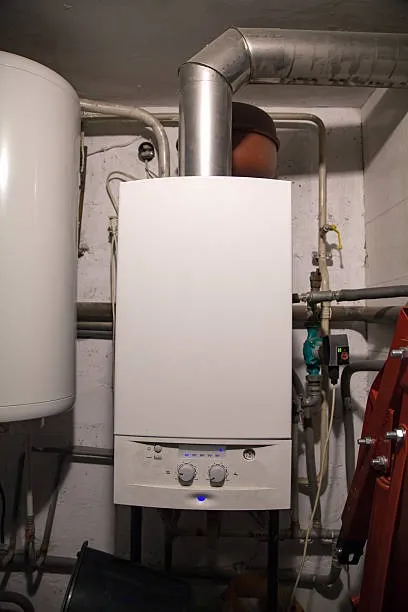
When to consider water heater replacement
Watch for these clear signs that a replacement is the right decision:
- Age: traditional tank water heaters typically fail after 8 to 12 years; tankless units often last 15 to 20 years. If your unit is past its expected service life, replacement is often more cost-effective than repeated repairs.
- Visible leaks or pooling around the base. Even small leaks can indicate a failing tank.
- Rusty or discolored hot water, or metallic taste. These symptoms point to tank corrosion.
- Loud popping or rumbling noises from sediment buildup, especially in areas with hard water like Superior.
- Declining hot water capacity or uneven temperatures despite recent repairs.
- Frequent breakdowns or rising energy bills with no other explanation.
Replacement assessment: what we evaluate
A thorough replacement assessment reviews the following elements so your new system meets your household needs:
- Age and condition of the existing unit, piping, and vents.
- Efficiency rating and fuel type (natural gas, propane, electric). Higher elevation and local climate can influence performance considerations.
- Household hot water demand: number of occupants, simultaneous uses (showers, dishwasher, laundry).
- Required capacity or flow rate: tank gallon size or tankless gallons-per-minute (GPM) needs.
- Water quality: hardness and sediment levels common in Boulder County that may shorten component life.
- Installation constraints: available space, venting options, electrical capacity, and local code requirements in Boulder County and Superior.
- Potential upgrades: water softening, recirculation pumps, insulation, or water-saving fixtures.
Replacement options compared
Evaluate the most common options based on efficiency, lifespan, and suitability for Superior homes:
- Conventional tank water heaters
- Pros: simple installation, lower upfront complexity, reliable for high simultaneous demand.
- Cons: shorter lifespan, greater standby heat loss, vulnerable to sediment buildup in hard water areas.
- Tankless (on-demand) water heaters
- Pros: higher efficiency, long lifespan, continuous hot water, reduced space needs.
- Cons: higher initial equipment and possible venting or gas-line upgrades; performance must be sized for elevation and peak flow.
- Heat pump (hybrid) water heaters
- Pros: best energy efficiency for electric units, lower operating costs in mild climates.
- Cons: larger footprint and sometimes longer install time; efficiency varies with ambient temperature—consider placement indoors or in conditioned spaces.
- Solar-ready or combined systems
- Pros: can dramatically reduce energy use when paired with solar thermal or PV systems.
- Cons: higher complexity and site-specific design; local solar potential and incentives affect feasibility.
Selection depends on your hot water patterns, fuel availability, space, and long-term efficiency goals.
Removal and disposal of the old unit
Safe removal includes draining, disconnecting gas or electrical connections, and handling the old tank or unit per local regulations. In Superior and Boulder County:
- Old tanks are typically drained, disconnected, and hauled for recycling or scrap disposal.
- Sediment and contaminated water are handled to prevent spills.
- Disposal follows county appliance recycling rules; some utilities and municipal programs accept water heaters for proper recycling.
- Any required permit closure or documentation for the replacement is completed to meet local code.
Installation process and timeline
A professional water heater replacement generally follows these steps:
- Finalize equipment selection based on assessment.
- Acquire necessary permits if required by Superior/Boulder County codes.
- Prepare the installation area: remove the old unit, inspect piping, and make any necessary structural or venting changes.
- Install the new unit: secure, connect water lines, gas or electrical connections, venting, and safety devices.
- Commission the system: pressure checks, leak tests, burner or element calibration, and temperature adjustments.
- Walk-through and documentation of warranties and maintenance recommendations.
Typical timelines:
- Standard tank replacement: often completed in a single day (a few hours of on-site work) when no major modifications are needed.
- Tankless, heat pump, or systems requiring vent/gas/electrical upgrades: may require additional time or multiple visits, especially if permits and inspections are involved.
- Complex projects involving plumbing reconfiguration or solar integration can extend to several days.
Factors affecting cost
Costs vary with unit type, capacity, fuel, site complexity, permitting, and any required upgrades (for example, new venting, gas-line upsizing, electrical panel work, or water softening). Energy-efficient models and advanced systems typically reduce operating costs over time but can require greater initial investment. Utility rebates and state or federal incentives for high-efficiency equipment can offset part of the upfront investment—check available local utility programs and ENERGY STAR or federal tax incentives applicable to energy-efficient water heaters.
Warranty coverage and long-term protection
- Manufacturer warranties on conventional tanks commonly range from several years to over a decade for major components; premium models and tankless units may include longer coverage for heat exchangers.
- Labor and workmanship warranties from the installer protect against installation-related problems for a specified period.
- Keep warranty documentation and service records; regular maintenance is often required to keep warranties valid.
Maximize lifespan and energy savings
To get the most from a new water heater in Superior, CO:
- Set thermostat to 120°F to balance comfort and energy savings while reducing scald risk.
- Flush the tank at least once a year to remove sediment; in hard water areas, more frequent flushing helps prevent efficiency loss.
- Inspect or replace the sacrificial anode rod on tank models to slow corrosion.
- Consider a point-of-use or whole-home water softener if mineral scaling is severe.
- Insulate accessible hot water lines and consider a tank blanket on older models (where manufacturer allows).
- Use low-flow showerheads and efficient appliances to reduce demand and allow smaller, more efficient systems.
- Arrange annual or biannual professional maintenance to preserve efficiency and catch issues early.
Why timely replacement matters in Superior
Replacing an aging or failing water heater avoids emergency breakdowns during cold months, reduces energy waste at altitude, and prevents plumbing damage from leaks or corrosion. Properly sized, modern systems deliver consistent comfort and can be paired with local rebate programs and federal incentives to improve payback. With the right assessment and installation, homeowners in Superior can expect reliable hot water, better efficiency, and longer equipment life tailored to the community’s climate and water conditions.
Promotions
Save on seasonal system checks from a local team that treats your home like our own.

Testimonials
Neighbors trust Quality Heating & Air for honest work and fair pricing.