
Water Heater Repair in Superior, CO
Water Heater Repair in Superior, CO
Having reliable hot water is essential for everyday comfort. When your water heater fails, the disruption is immediate: cold showers, laundry delays, and potential property damage from leaks. In Superior, CO, where cold winters and local water conditions can stress water heaters, fast, knowledgeable repair is critical.
Common water heater repair issues in Superior, CO
Homeowners in Superior most often call for:
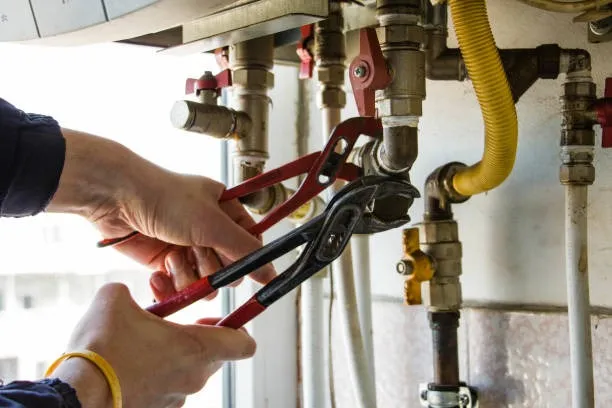
- No hot water or intermittent hot water — caused by failed heating elements, thermostats, gas control valves, or pilot/ignition problems on gas units.
- Insufficient hot water — due to a failed dip tube, undersized tank, or sediment buildup reducing effective capacity.
- Leaks from the tank or fittings — corrosion, loose connections, a failed temperature and pressure (T&P) relief valve, or cracks in the tank.
- Strange noises — popping or rumbling from sediment and mineral buildup, common with hard water areas.
- Pilot light or ignition failures — thermocouple, ignition module, or gas supply issues; high altitude in Boulder County can affect combustion settings.
- Discolored or foul-smelling water — often caused by corrosion inside the tank or bacterial growth when tanks operate at low temperatures.
- Rapid cycling or short heating cycles — electrical or control issues causing inefficiency.
Why Superior, CO conditions matter
Superior sits near the foothills at higher elevation, which affects gas appliance performance and sometimes requires combustion adjustments. Many homes in the area experience mineral-rich or hard water, which accelerates sediment buildup inside tanks and shortens component life. Cold Colorado winters also increase hot water demand and the chance of freeze-related pipe stress, making timely diagnosis and repair important to prevent property damage.
How we diagnose water heater problems
A consistent diagnostic approach identifies the root cause quickly and avoids unnecessary parts replacement. Typical diagnostic steps:
- Visual inspection — check for leaks, corrosion, loose fittings, and signs of overheating or rust.
- Operational test — observe heating cycles, listen for unusual noises, and check water temperature and pressure.
- Gas system checks (gas units) — verify gas supply, pilot/ignition operation, thermocouple, and gas valve performance; account for altitude effects on combustion.
- Electrical checks (electric units) — test heating elements, thermostats, circuit breakers, and wiring with a multimeter.
- Drain and internal inspection — assess sediment levels and anode rod condition; flush a sample to evaluate water quality.
- Leak source tracing — isolate whether leaks are from fittings, valves, tank body, or plumbing connections.
Diagnostics typically take 30 minutes to an hour for simple issues; more involved inspections for internal tank problems or tankless systems can take longer.
Typical repairs and parts explained
Common repair items and what they mean for your home:
- Heating elements (electric) — replaceable components; elements fail from mineral coating or electrical burnout.
- Thermostats and sensors — replace when they inaccurately control temperature.
- Gas control valves and pilot assemblies — repair or replace to restore safe ignition and gas flow.
- Thermocouples or ignition modules — small parts critical for pilot stability on gas heaters.
- Anode rod replacement — sacrificial rod that prevents tank corrosion; replacing it extends tank life.
- T&P valve replacement — safety device that must work reliably; leaks or failures require immediate replacement.
- Dip tube replacement — restores proper hot water delivery and tank efficiency.
- Tank flush and descaling — removes sediment; can restore efficiency and reduce noises.
- Tank replacement — necessary when the tank body is corroded, leaking, or beyond economical repair. Tankless unit repairs vary by model and part availability.
Labor notes: Most component repairs are completed on-site. Gas-related repairs may require shutoff of supply and safety checks after work. Disposal and replacement of tanks follow local codes.
Estimated repair timelines
Timelines vary by problem complexity:
- Simple part replacement (heating element, thermostat, T&P valve): 1 to 2 hours.
- Pilot/ignition or gas control repairs: 1 to 3 hours, including safety checks and combustion adjustment.
- Sediment flush and tune-up: 45 minutes to 2 hours.
- Dip tube or anode rod replacement: 1 to 2 hours.
- Tank replacement (including removal, install, and plumbing/electrical/gas connections): half day to a full day, depending on access and permits.
- Tankless repairs: may range from 1 hour for simple parts to multi-day if specialized parts are needed.
These timelines reflect the on-site work only and assume parts are available. For complex failures or when parts must be ordered, timelines extend accordingly.
Emergency repair response and homeowner safety
Water heater leaks or gas-related failures can be urgent. Basic safety actions a homeowner can take before professional help arrives:
- For leaks: locate and close the cold water shutoff to the heater to limit water damage.
- For electrical issues: turn off the circuit breaker that feeds the heater.
- For gas smell: do not operate electrical switches; shut off the gas supply at the appliance or meter if safe to do and evacuate the area.
Professionals will perform leak containment, safe gas shutoff, water extraction mitigation advice, and priority repairs to stabilize the situation.
Preventative maintenance to avoid future breakdowns
Regular maintenance extends service life and prevents many common failures:
- Annual flush to remove sediment, especially important in areas with mineral-rich water.
- Inspect and replace the anode rod every 3 to 5 years depending on water conditions.
- Test the T&P valve annually to confirm operation.
- Set thermostat to 120°F to reduce scald risk and lower energy use while reducing mineral precipitation.
- Insulate exposed hot water pipes and the tank if appropriate to reduce heat loss in cold months.
- Consider a water softener or whole-house filtration if water hardness accelerates tank wear.
- Schedule a professional tune-up each year before heavy-use seasons to catch small problems early.
Warranty and guarantee information
Most repairs use manufacturer replacement parts that carry a parts warranty. Professional service generally includes a workmanship guarantee for the repair performed. For tank replacements, new units come with manufacturer warranties for the tank and components; labor warranties often cover installation workmanship for a specified period. Always request warranty documentation and understand the terms and any required maintenance to keep warranties valid.
Final notes on choosing repair vs replacement
When deciding between repair and replacement, consider the unit age, frequency of repairs, extent of corrosion, and efficiency loss. Water heaters older than 8 to 12 years with signs of internal corrosion or multiple failures are often more cost-effective to replace. In Superior, accounting for local water conditions and altitude effects can influence the best long-term choice.
This information equips Superior, CO homeowners to understand water heater problems, what repairs involve, realistic timelines, and how to reduce future breakdowns. Proper diagnosis and timely service help protect your home from damage and restore reliable hot water quickly.
Promotions
Save on seasonal system checks from a local team that treats your home like our own.

Testimonials
Neighbors trust Quality Heating & Air for honest work and fair pricing.