
Water Heater Installation in Superior, CO
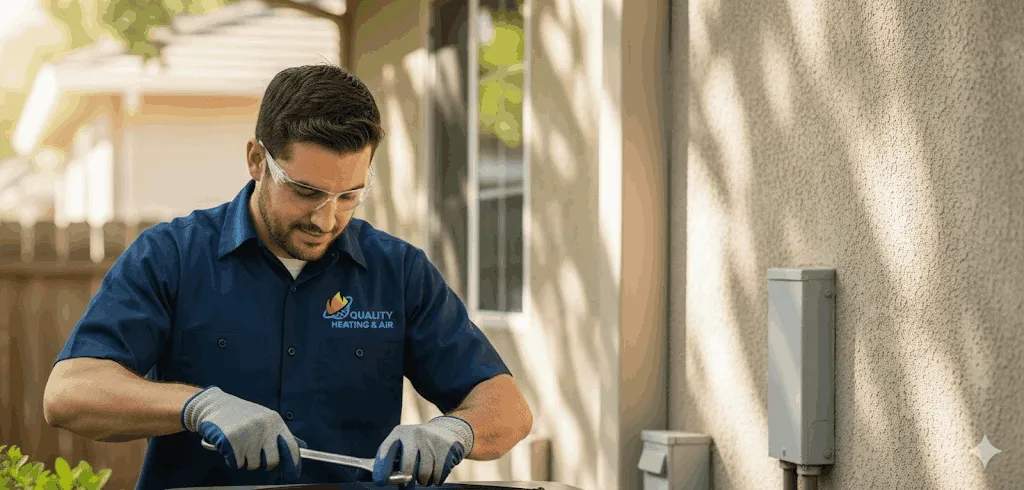
Water Heater Installation in Superior, CO
Replacing or upgrading your water heater is a major decision for any Superior, CO homeowner. With our wide seasonal temperature swings, high altitude, and the region’s hard water, choosing the right system—and having it correctly sized and installed—directly affects comfort, energy bills, and equipment lifespan.
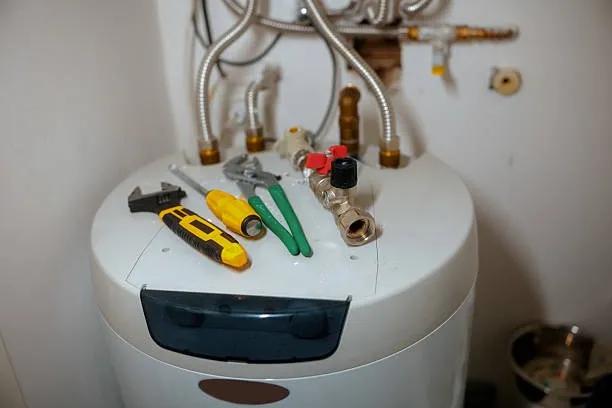
Why upgrade or replace your water heater now?
- Inconsistent hot water, longer recovery times, or rust-colored water are signs of a failing tank.
- Older units lose efficiency with age; replacing them can reduce energy use and avoid emergency failures during cold snaps.
- New federal and utility efficiency standards and local incentives make high-efficiency options—like tankless and heat pump (hybrid) models—more attractive for Superior homeowners.
Types of systems we install
- Conventional Tank Water Heaters: Reliable, straightforward, available in gas and electric models. Best where multiple fixtures need simultaneous hot water and where upfront cost and simple installation matter.
- Tankless (On-Demand) Water Heaters: Provide continuous hot water and greater long-term energy savings for many homes. Important to consider proper sizing and water quality, as mineral scaling is an issue in Colorado.
- Hybrid / Heat Pump Water Heaters: Extremely efficient for electric-based systems—use heat-pump technology to move heat rather than generate it. Ideal for well-insulated basements or utility rooms with sufficient clearance and moderate ambient temperatures.
Sizing and energy-efficiency guidance
- For tank systems, focus on first-hour rating (FHR) to match peak demand (showers, dishwasher, laundry). For tankless systems, choose based on required gallons-per-minute (GPM) and incoming water temperature—higher altitude and colder groundwater in Colorado affect GPM sizing.
- For hybrids, consider the household’s recovery needs and available space; hybrids often require more clearance and specific room temperatures for optimal efficiency.
- Look for Energy Star-qualified models and check Uniform Energy Factor (UEF) ratings for realistic efficiency comparisons.
- In Superior, factor in hard water and colder incoming water temperatures; these influence both performance and maintenance frequency.
Brands and warranties
- Popular, proven manufacturers include industry-standard brands offering solid manufacturer warranties. Typical arrangements combine a manufacturer warranty on core components and a separate labor warranty from the installer.
- Always register your new unit with the manufacturer to preserve warranty coverage and keep a copy of installation paperwork and serial numbers. Verify what the warranty covers (tank, heat exchanger, burner, heat pump components) and for how long.
On-site assessment and local permit process
- On-site assessment includes: measuring the installation area, checking venting and combustion air for gas units, reviewing electrical capacity for electric or hybrid models, assessing gas line size and pressure for gas units, and testing incoming water temperature and water quality (hardness).
- Local permitting: Superior, CO resides in Boulder County jurisdiction for building and plumbing permits. Typical permit steps include submitting equipment specifications, obtaining a permit prior to work, and scheduling inspections (rough-in and final). Gas connections, combustion air, and venting modifications almost always require inspection approval.
- High-altitude adjustments: Gas-fired equipment often requires factory adjustments or specific venting configurations for reliable combustion at Superior’s elevation. The on-site assessment will identify these needs.
Step-by-step installation process
- Pre-installation assessment and permit submission: verify capacity, clearances, and code compliance; submit required documentation to the Town of Superior or Boulder County.
- Decommission and drain old unit: safely shut off utilities, drain the tank, and disconnect plumbing, gas, or electrical connections in accordance with code.
- Prepare the installation location: adjust venting, reinforce floor or pad if needed, install seismic/clamps and expansion tank for closed systems where required by code.
- Equipment placement and connections: set tank or mount tankless unit, complete gas piping or electrical hookups, install flue or direct vent, and connect hot and cold plumbing.
- System startup and adjustments: pressurize and purge the system, set gas or electrical controls, program thermostats, and make any high-altitude combustion adjustments.
- Inspections and final approval: coordinate with local inspector for required inspections (gas, plumbing, electrical) and obtain the final sign-off.
- Post-install testing: verify temperature, pressure relief valve operation, venting performance, and leak checks. Demonstrate basic operation and maintenance needs.
Typical timelines and what affects them
- Simple like-for-like tank replacements often complete within a single day once permits are issued.
- Tankless or hybrid upgrades frequently require additional electrical or gas work, venting modifications, or structural changes—these installations commonly span one to several days and may require multiple inspections.
- Permit turnaround and inspection scheduling with Boulder County or the Town of Superior can add time; plan for a permit window when scheduling a non-emergency replacement.
Cost factors and financing options
- Installation cost depends on system type, capacity, location complexity, venting or electrical upgrades, and permit/inspection requirements. Complex conversions (electric to gas or adding tankless outside) require more labor and materials.
- Financing solutions, manufacturer rebate programs, and utility incentives are often available for high-efficiency models. Ask about local rebates and incentives for heat pump water heaters and high-efficiency gas units—Xcel Energy and state programs may offer savings for qualifying systems.
Post-installation testing and recommended maintenance
- Initial testing: pressure tests, flue draft and combustion analysis for gas units, and flow-rate checks for tankless systems.
- Routine maintenance recommendations for Superior homes:
- Annual tank flush to remove sediment for tank systems; inspect and replace anode rods as needed.
- Tankless models benefit from descaling at least once a year in hard-water areas; frequency may increase without a water softener.
- For hybrids, clean or replace filters and ensure adequate ventilation and ambient conditions.
- Test the temperature-pressure (T&P) relief valve annually and check for leaks.
- Consider water-conditioning solutions (softener or scale inhibitor) to extend service life and improve efficiency.
- Keep all warranty and service records and schedule regular inspections to catch small issues before they become failures, especially before winter.
Benefits of professional installation in Superior, CO
Professional installation ensures proper sizing, safe venting and combustion adjustments for altitude, compliance with local permitting and inspection rules, and optimized energy performance in Superior’s climate. Correct installation and proactive maintenance minimize downtime during cold months, reduce operating costs, and protect your equipment’s warranty.
Choosing the right system and installer for Water Heater Installation in Superior, CO protects your home comfort and keeps hot water reliable when you need it most.
Promotions
Save on seasonal system checks from a local team that treats your home like our own.

Testimonials
Neighbors trust Quality Heating & Air for honest work and fair pricing.