
Water Heater Replacement in Northglenn, CO
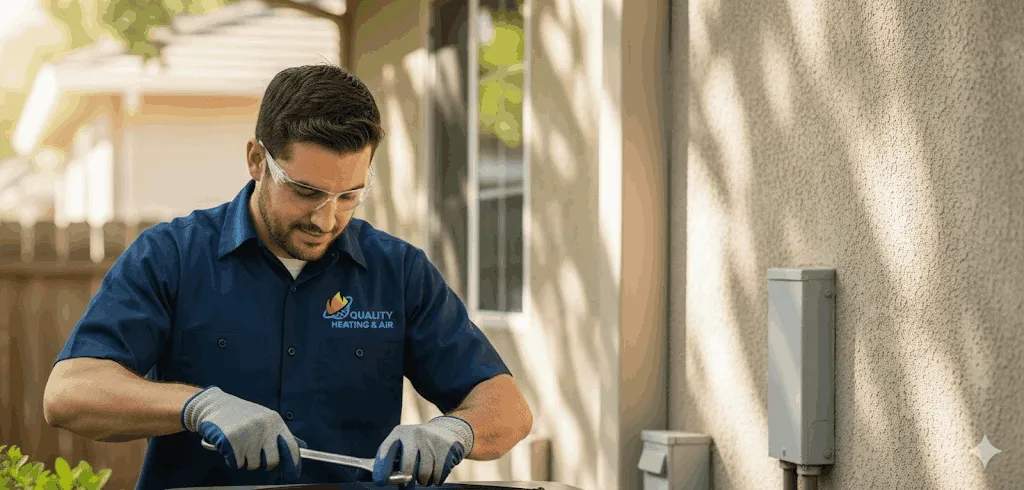
Water Heater Replacement in Northglenn, CO
Replacing your water heater is a significant home service decision. In Northglenn, CO homes, colder months, higher hot water demand, and mineral-rich municipal water can accelerate wear on older units.

Why replacement may be necessary
Common signs that a water heater in Northglenn needs replacement:
- Age: most tank water heaters last 8 to 12 years. If your unit is older than 10 years, replacement is often more cost effective than repeated repairs.
- Frequent breakdowns: recurring leaks, pilot outages, or element failures indicate core deterioration.
- Inefficiency: rising energy bills or cold showers despite heating elements or burners running usually point to declining efficiency.
- Rusty or discolored water, loud rumbling from the tank, or visible leaks are classic end-of-life symptoms.Northglenn homeowners also face hard water mineral buildup that reduces efficiency and causes sediment-related noise and failures. Cold winter use can further expose underperforming units.
Evaluation process: choosing the right replacement
A professional evaluation determines the best fit for your home by considering:
- Household hot water needs: number of occupants, simultaneous fixtures, and peak demand (first hour rating).
- Fuel availability and utility costs: natural gas, electric, propane, or available electrical capacity for heat pump or tankless electric models.
- Efficiency goals: compare Uniform Energy Factor (UEF) ratings or stated efficiency to estimate operating costs.
- Space and venting: size constraints in closets, utility rooms, or garages and requirements for combustion air and venting on gas models.
- Water quality: hard water may favor tankless with scale management, heat pump models with easier maintenance, or addition of water-softening or scale-control systems.
- Local code and permit considerations: replacement often requires a permit, updated venting, seismic strapping, and proper drain/pressure relief installation.This assessment produces a recommended system type and size: conventional tank, high-efficiency tank, tankless on-demand, hybrid heat pump, or condensing tankless.
Common replacement options
- Conventional gas or electric tanks: straightforward swaps when space and budget are primary concerns.
- High-efficiency tanks: improved insulation and higher UEF for moderate savings.
- Tankless water heaters: on-demand hot water, smaller footprint, longer service life, and lower standby losses.
- Heat pump / hybrid water heaters: far higher efficiency in warmer indoor spaces and strong energy savings where space and ambient conditions allow.
Removal and disposal of the old unit
Safe, code-compliant removal includes:
- Shutting off water and power or gas, draining the tank, and disconnecting utilities.
- Removing the old unit from its location, which may require careful maneuvering in tight Northglenn homes.
- Proper disposal and recycling: steel, copper, and other components are typically recycled; hazardous items are handled per local rules.Licensed technicians ensure vent terminations, combustion air, and gas line caps are safe and ready for the new installation. Permits and disposal documentation are often handled by the installer.
Replacement installation steps
A professional installation typically follows these steps:
- Finalize permit and inspection requirements for Northglenn jurisdiction.
- Prepare the site: secure platform, proper drain pan, and clearances; install seismic straps if required.
- Connect water lines, install a new temperature and pressure relief valve, and include an expansion tank when needed.
- Install venting and combustion air for gas units or hook up electrical supply for electric and heat pump models.
- Commission the system: fill, purge air, test for gas leaks and water leaks, confirm proper burner ignition or element operation, and set thermostats and safety settings.
- Perform an operational inspection and provide homeowner orientation on settings, maintenance, and warranty paperwork.Typical direct-swap installations take 2 to 6 hours depending on complexity; conversions between fuel types or venting relocations require more time.
Cost estimates and potential energy savings
Estimated replacement ranges for Northglenn area homes (including materials and typical labor but excluding extreme retrofit work or full re-piping):
- Electric tank (40 to 50 gallon): moderate upfront cost, lower than gas replacement; range varies.
- Gas tank (40 to 50 gallon): moderate cost, generally higher than electric due to venting and gas line work.
- Tankless gas: higher upfront cost; longer life and lower operating cost when sized correctly for household demand.
- Heat pump / hybrid: mid to higher range depending on model and installation complexity; delivers the largest energy savings for electric households.Replacing an aging, inefficient unit with a modern tankless or heat pump model can reduce water heating costs by 30 to 50 percent depending on household use patterns. Actual savings depend on fuel type, local utility rates, and hot water habits.
Rebates, incentives, and warranties
Many homeowners in the Northglenn and Denver metro area qualify for incentives:
- Utility rebates: local utilities periodically offer rebates for high-efficiency or heat pump water heaters.
- Manufacturer incentives and limited-time promotions may lower equipment cost.
- Federal and state energy credits may apply to qualifying heat pump water heaters or high-efficiency systems.Manufacturer warranties commonly range from 6 to 12 years on tanks and longer warranties on heat exchangers in tankless units. Labor warranties from the installer typically cover workmanship for a defined period. Always review warranty terms for coverage of parts, labor, and required maintenance.
Minimizing downtime and preparing your home
To keep disruption minimal:
- Schedule replacement during predictable hours and prepare for a few hours without hot water.
- Ensure clear access to the utility area and remove storage around the unit to speed installation.
- If you depend on continuous hot water, plan for brief off-site use or boil water in advance; temporary water heater rental is an option for extended retrofits.
- Pre-authorize permit work and order the selected unit in advance to avoid delivery delays.
Maintaining your new system for longevity
Routine care preserves efficiency and warranty coverage:
- Flush the tank or run a descaling cycle annually in Northglenn homes to remove mineral buildup.
- Inspect or replace the anode rod every 2 to 4 years depending on water chemistry.
- Test the temperature and pressure relief valve yearly and check for leaks.
- Keep venting and combustion air clear for gas units and maintain recommended clearances for heat pump units.
- Consider water treatment if hard water causes frequent scaling.Proper maintenance will extend service life and protect your energy savings.
Promotions
Save on seasonal system checks from a local team that treats your home like our own.

Testimonials
Neighbors trust Quality Heating & Air for honest work and fair pricing.