
Water Heater Repair in Northglenn, CO
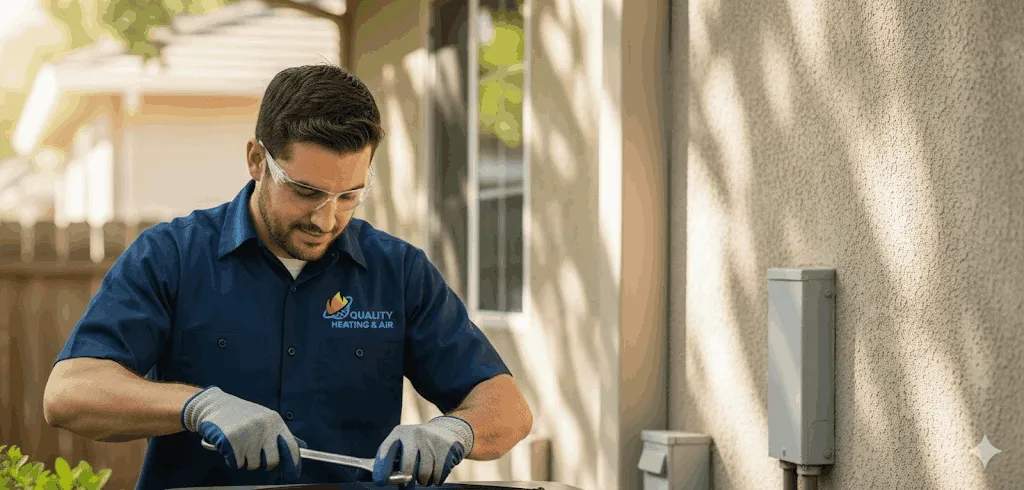
Water Heater Repair in Northglenn, CO
A reliable hot water supply is essential for everyday comfort. In Northglenn, CO, seasonal temperature swings, colder winter incoming water, and local water quality create conditions that accelerate common water heater problems.
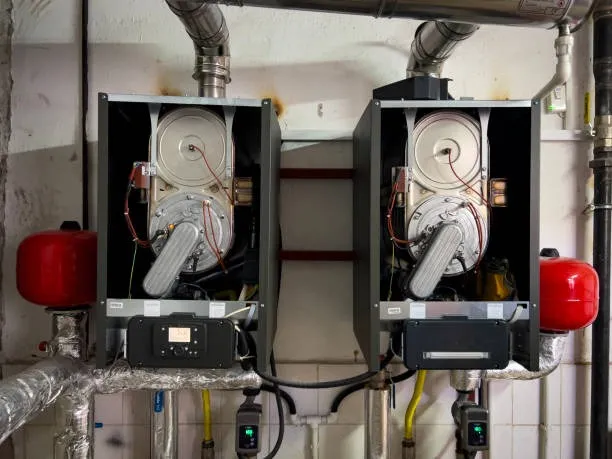
Common water heater problems in Northglenn homes
- No hot water or inconsistent temperature — faulty thermostats, failed heating elements (electric), or gas control and pilot/ignition problems (gas units).
- Leaks around the tank or connections — corroded fittings, failing drain valves, or a rusted tank due to age.
- Sediment buildup and reduced capacity — hard water in the Denver metro area leads to mineral accumulation that lowers efficiency, produces cloudy water, and causes lukewarm output.
- Pilot light or ignition failures — thermocouple, igniter, or gas valve issues causing intermittent or no ignition.
- Unusual noises — popping or rumbling from sediment trapped on the tank bottom, or knocking caused by thermal expansion.
- Frequent cycling or high energy bills — failing thermostats, insulation loss, or compromised tank efficiency.
Diagnostic and troubleshooting process
Technicians follow a systematic process to find the root cause before recommending repairs:
- Visual inspection of the unit, surrounding piping, valves, and flue (for gas units) for corrosion, leaks, or safety concerns.
- Verify power or gas supply — confirm breakers, fuses, gas shutoff, and pilot/ignition circuits are operating safely.
- Check temperature settings and thermostats and test heating elements (electric) or gas control valve performance.
- Combustion and venting checks for gas units to ensure proper draft and safe exhaust.
- Pressure relief valve and drain valve test to locate leaks and assess valve function.
- Sediment assessment by sampling and checking tank performance; in severe cases, partial draining helps identify scale amount.
- Component testing (thermocouple, igniter, heating elements, anode rod) and leak tracing to determine whether the tank or replaceable parts are the issue.
Typical repair services and parts replacement
Common repairs performed in Northglenn homes include:
- Replacing thermostats and heating elements on electric heaters
- Repairing or replacing gas control valves, thermocouples, pilots, and ignition modules
- Replacing sacrificial anode rods to slow tank corrosion
- Repairing or replacing T&P (temperature and pressure) relief valves and drain valves
- Flue and vent repairs or realignment for safe combustion
- Tank patching for temporary leak mitigation (not a long-term solution)
- Installing expansion tanks, shutoff valves, or condensation drain lines for high-efficiency units
- Flushing and descaling to remove sediment buildup and restore efficiency
Emergency response and typical turnaround times
Emergencies such as major leaks or no hot water during winter require prompt attention. In the Northglenn area, emergency service protocols generally include:
- Rapid safety triage to stop active leaks and prevent water damage
- Priority scheduling for suspected gas leaks or burst tanks
- Typical emergency on-site response windows vary by provider; safe and effective stabilization is the first goal, followed by repair or replacement schedulingFor non-emergencies, most diagnostic visits and standard repairs are completed same-day or next-business-day depending on parts availability. Complex jobs or full replacements may require a scheduled installation appointment within a few days to a week.
When to repair versus replace
Consider repair when:
- The unit is relatively new and a single, identifiable component has failed
- Damage is limited to replaceable parts such as heating elements, valves, or thermostats
- Efficiency and performance remain acceptable after repair
Consider replacement when:
- The tank shows signs of internal corrosion or large leaks indicating imminent failure
- The water heater is near or beyond typical service life for its model type
- Repeated repairs are required or multiple major components need replacement
- Upgrading offers meaningful energy savings, improved capacity, or code compliance
A practical rule is to weigh the expected remaining life and performance after repair against the benefits of a new, more efficient unit. Technicians provide a written assessment and recommendation based on inspection findings and household hot water needs.
Estimates and warranty details
- Written estimates: Professional technicians will provide a transparent, written estimate outlining parts, labor, and the work scope before starting any non-emergency repairs.
- Warranty information: Repairs commonly include a labor warranty for a specified period and manufacturer warranties cover many replacement parts or new tanks. Warranty coverage varies by part and manufacturer; keeping maintenance records and installation documentation preserves coverage eligibility.
- Documentation: Technicians will note serial numbers and any manufacturer-required registration details to support future warranty claims.
Preventative maintenance to avoid future issues
Regular maintenance extends service life and improves reliability—especially in Northglenn where colder inlet water and mineral content can stress systems.
- Annual flush and descaling to remove sediment and restore efficiency
- Inspect and replace anode rods every few years to slow tank corrosion
- Test T&P valve and drain valve during routine service
- Insulate exposed hot water pipes and the tank to reduce heat loss and protect against freezing
- Lower thermostat to a safe but efficient setting (typically 120°F recommended for most homes) to reduce scald risk and energy use
- Install a sediment filter or water softening solution if hard water is a consistent issue
- Schedule regular professional inspections to catch small problems before they become emergencies
Promotions
Save on seasonal system checks from a local team that treats your home like our own.

Testimonials
Neighbors trust Quality Heating & Air for honest work and fair pricing.