
Water Heater Installation in Northglenn, CO
Water Heater Installation in Northglenn, CO
Replacing or upgrading your water heater is a major decision for Northglenn homeowners. Cold winters, hard municipal water, and homes with growing hot water demand mean the right choice affects comfort, energy bills, and long-term reliability.
Why a professional installation matters in Northglenn
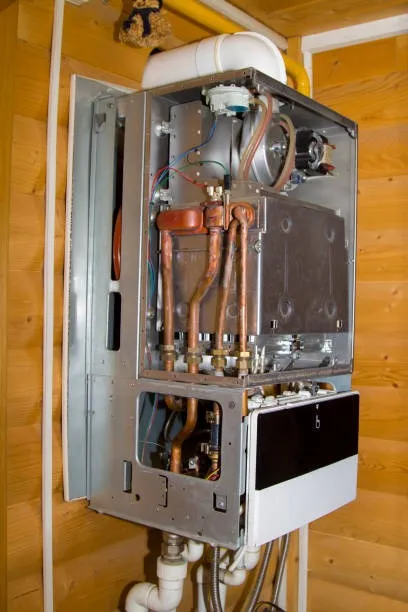
Northglenn experiences cold snaps and a wide seasonal temperature range that influence how well different water heater types perform. Hard water common to the Denver metro area also accelerates scale buildup, which shortens equipment life and reduces efficiency. A professional installation ensures correct sizing, proper venting and combustion air, compliance with local codes, and steps to mitigate hard-water effects so your new system performs reliably year after year.
Common water heater problems Northglenn homeowners face
- Insufficient hot water during winter when incoming groundwater is colder
- Rapid recovery issues with aging tanks or undersized systems
- Scale buildup from hard water causing reduced efficiency and premature failure
- Inadequate venting or combustion air for gas units in tightly sealed homes
- Electrical panel or gas-line undersizing for high-efficiency tankless units
- Leaks around old tanks leading to water damage or the need for drain pans and leak detection
Choosing the right system: tank, tankless, or heat-pump (hybrid)
- Tank water heaters: Proven, lower upfront cost, and simpler to install. Best for households with predictable demand and limited up-front budget. Consider a conventional gas or electric tank with upgraded insulation and longer warranty models for better lifetime value.
- Tankless (on-demand): Much higher energy efficiency for homes with moderate continuous hot water needs. Ideal when space is limited. Requires proper gas line sizing or significant electrical service for electric models and is sensitive to hard water and simultaneous-use capacity.
- Heat pump (hybrid) water heaters: Top-tier efficiency, particularly when installed in conditioned or semi-conditioned spaces. They deliver significant energy savings but require adequate space and proper ambient temperatures; performance may vary in unheated garages during Northglenn winters.
Recommended brands and models (widely used and reliable): Rheem, A.O. Smith, Bradford White for tanks; Rinnai, Navien, Noritz for tankless; Rheem and Bosch for heat pump hybrids. Choose models with appropriate warranty terms and energy-efficiency ratings for Colorado conditions.
Site assessment and correct sizing
- Load calculation: A technician calculates peak hour demand, household size, fixture usage patterns, and incoming groundwater temperature to determine required first-hour rating (tank) or flow rate and temperature rise (tankless).
- Location review: Identify a safe installation location with adequate ventilation, drainage (drip pan with drain), and access for service. For heat pump units, evaluate ambient temperature and space constraints.
- Service capacity check: Verify gas-line diameter and pressure, electrical panel capacity, and flue/venting configuration. Tankless or high-efficiency units often require upgrades to utilities or venting systems.
Permits and code compliance in Northglenn
Professional installations include permit submission and inspection coordination. Installations must meet Colorado plumbing and mechanical codes and local Northglenn/Adams County requirements, including:
- Proper venting and combustion air for gas appliances
- Temperature and pressure (T&P) relief valve installation and discharge routing
- Installation of an expansion tank on closed domestic water systems when required
- Approved seismic/strapping or anchoring where applicable and installation of a drain pan with a drain line when units are above living spaces
- Electrical permits for high-draw electric or hybrid systems and correct breaker sizing
Your installer should handle permit paperwork and ensure the unit passes final inspection.
Professional installation: step-by-step overview
- Pre-install inspection and confirmation of permit and sizing details.
- Isolate and drain the old unit safely; cap and secure old fuel and electrical lines.
- Prepare installation area: level the platform or pad, install a drain pan if needed, and position unit for optimal venting and access.
- Connect gas or electrical supply, ensuring correct pipe sizing or conduit, and install proper shutoffs.
- Set up venting or combustion-air systems including sealed combustion terminations for high-efficiency models.
- Install T&P valve, expansion tank, dielectric unions, and insulated supply lines. For tankless units add isolation valves, condensate drains, and water-filtration or softening if required.
- Pressure-test gas and water connections, energize electrical components, and program control settings.
- Start-up and performance verification: check temperature rise, flow rates (tankless), thermostat calibration, and safety devices.
- Final cleanup and documentation: leave manufacturer warranty paperwork, operation instructions, and maintenance recommendations.
Expected timeline
- Standard tank replacement: typically 3 to 6 hours for a straight swap.
- Tankless or high-efficiency conversions: 6 to 10 hours or more if venting, gas or electrical upgrades are required.
- Heat pump installations: half-day to full-day depending on complexity and space adjustments. Complex jobs involving utility upgrades or structural modifications will extend timelines and require inspections.
Warranties, financing, and local incentives
Most manufacturers offer limited warranties that vary by model: common terms are 6 to 12 years on tank components and longer on certain premium or commercial models. Tankless manufacturers often include longer heat exchanger warranties. Labor warranties from your installer cover workmanship for a defined period. Register your product to activate full warranty coverage.
Financing options are commonly available through third-party lenders or utility financing programs. Energy-efficiency upgrades such as heat pump water heaters may qualify for federal tax credits or local utility rebates; check current Northglenn and Colorado incentive programs and your utility’s rebate offerings.
Post-installation testing and maintenance advice
- Annual inspection: check venting, combustion safety (for gas), and overall operation. Verify T&P valve function and look for leaks.
- Tanks: flush sediment annually (more often with hard water) and inspect the sacrificial anode rod every 2–3 years; replace as needed to extend tank life.
- Tankless: perform descaling/flush cycles based on local water hardness (commonly every 6–12 months in the Denver metro area) and clean inlet filters.
- Heat pump hybrids: keep airflow clear, and follow manufacturer-recommended filter and coil cleaning intervals.
- Consider a water softener or scale-reduction system if your home’s water hardness accelerates scale formation; this prolongs the life and maintains efficiency of any water heater.
Promotions
Save on seasonal system checks from a local team that treats your home like our own.

Testimonials
Neighbors trust Quality Heating & Air for honest work and fair pricing.