
Water Heater Replacement in Lafayette, CO
Water Heater Replacement in Lafayette, CO
Replacing a failing water heater is one of the most practical upgrades a Lafayette homeowner can make for comfort, safety, and energy savings. Cold Colorado winters, seasonal freezes, and locally hard water accelerate wear on water heaters, so timely replacement prevents emergency breakdowns, water damage, and rising utility bills.
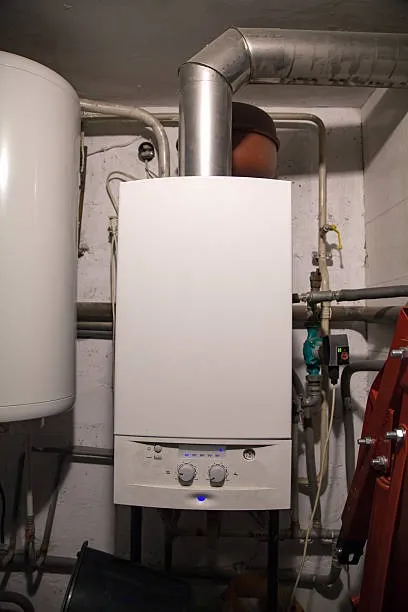
Common signs your Lafayette water heater needs replacement
- Persistent lack of hot water or rapidly decreasing hot water supply — often a sign of a failing heating element, burner, or reduced tank capacity due to sediment.
- Strange noises (popping, rumbling) from the tank — typically caused by sediment buildup that shortens the unit’s life.
- Discolored or rusty hot water — corrosion inside the tank is a red flag that failure and leaks are likely.
- Water pooling around the tank or visible leaks — an immediate replacement consideration to avoid structural damage during freeze cycles.
- Frequent repairs or an older unit (generally 8–15 years depending on type) — cumulative repair costs and declining efficiency usually tip the balance toward replacement.
- Rising energy bills paired with the same usage — older units lose efficiency, which is costly in a climate with both cold winters and hot summers.
How to evaluate your existing system
- Age and service history: Check the manufacture date and any repair records to determine remaining useful life.
- Fuel type and availability: Natural gas, propane, or electric—each has implications for operating cost and replacement options in Lafayette homes.
- Capacity vs. household demand: Consider family size, peak usage (morning routines), and future needs.
- Physical location and venting: Indoor closets, garages, or utility rooms each affect venting, freezing protection, and space for new equipment.
- Water quality: Hard water common in the region causes scale that reduces performance; homes with hard water may need softening or more frequent maintenance.
- Safety and code compliance: Older installations may lack an expansion tank, proper seismic strapping, or may need updated venting to meet current city and county codes.
Replacement options — pros, cons, and Lafayette considerations
- Traditional tank water heaters
- Pros: Lower upfront complexity, reliable for simultaneous high-demand use (multiple showers), easier to install in many homes.
- Cons: Larger footprint, lower long-term efficiency, prone to sediment issues in hard water areas.
- Lafayette note: Tanks are often a practical choice for homes with high, simultaneous hot-water demand and limited space for pipe upgrades.
- Tankless (on-demand) water heaters
- Pros: Continuous hot water, smaller footprint, higher energy efficiency for households with intermittent demand.
- Cons: Higher upfront cost, requires right-sizing for flow rates, performance can be affected by incoming water temperature (colder winter inlet temps in Lafayette may reduce output), and hard water increases descaling needs.
- Lafayette note: Tankless systems are attractive for energy savings and space-conscious homes, but scale management and proper sizing for Colorado winters are critical.
- Hybrid heat pump water heaters
- Pros: Very high efficiency in many climates, lower operating cost, can qualify for local incentives.
- Cons: Require more installation space and room air (they pull heat from surrounding air — may cool the installation space), performance drops in very cold ambient locations unless installed in conditioned areas.
- Lafayette note: Install these where ambient temperature is stable (basement or mechanical room) to maximize efficiency through Colorado’s colder months.
Removal and disposal process
- Safe disconnect: Shut off gas or power and drain the unit. Certified technicians handle gas line capping or electrical disconnection per safety codes.
- Drain and remove: Tanked units are drained and disconnected from plumbing, venting, and electrical/gas lines; tankless and hybrid units are disconnected and removed with minimal demolition.
- Disposal and recycling: Most tanks contain recyclable metals and are handled according to Colorado disposal regulations; sediment and residual water are contained to prevent property damage.
- Permits and inspection: Replacements typically require permits and a final inspection to ensure safe venting, correct connections, and compliance with Lafayette and Boulder County codes.
Typical timeline and project steps
- Initial assessment and sizing: A site visit to evaluate piping, venting, capacity, and electrical/gas lines.
- Permit application: Local permit processing times vary, often completed within a few days to a week depending on the municipality.
- Installation day(s): A straightforward like-for-like tank swap can often be completed in a single day. Conversions (e.g., tank to tankless, or adding a heat pump unit) may require additional time for gas line upgrades, venting, or electrical work — plan for one to two days on-site in many cases.
- Inspection and startup: After installation, inspections and final adjustments verify safe operation and factory settings for efficiency.
Warranty and efficiency benefits of new systems
- Modern water heaters deliver substantially higher Uniform Energy Factor (UEF) ratings and better fuel-to-hot-water conversion than older models.
- Newer systems often include longer manufacturer warranties and optional extended labor warranties that protect against early failures.
- Higher efficiency reduces operating costs and environmental impact—especially meaningful with Lafayette’s seasonal temperature swings.
- High-efficiency models may qualify for utility rebates or state/federal incentives, improving lifecycle value.
Financing and rebates (what to expect)
- Financing options: Manufacturers, contractors, and third-party lenders commonly offer financing plans to spread upfront costs. Terms vary and depend on credit and product selection.
- Rebates and incentives: Energy-efficiency rebates are frequently available through utility programs and state-level energy initiatives for heat pump water heaters and high-efficiency gas units. Federal tax credits for qualifying efficient equipment may also apply in certain years.
- Best approach: Check eligibility for local utility rebate programs and available incentive programs before finalizing equipment choice to maximize savings.
Preparation and post-replacement care
- Before installation: Clear access to the unit, remove stored items, and ensure pets and children are secured. Confirm the work area’s floor can support the unit removal and new installation.
- During installation: Expect temporary water shutoff and some noise. Professionals will verify venting, pressure relief, and safety features.
- After installation: Confirm that the installer demonstrated basic operation—how to set temperatures, test pressure relief valve, and where the shutoff is located.
- Ongoing maintenance: Flush tanked systems annually, check anode rods, and schedule descaling for tankless units if water hardness is high. Consider a whole-house water softener in Lafayette homes to extend equipment life.
Timely replacement improves safety, restores reliable hot water through Colorado’s cold seasons, and captures efficiency gains that lower long-term operating costs. Understanding the types of systems, local conditions like hard water and winter inlet temperatures, and the installation process will help you choose the right replacement for your Lafayette home.
Promotions
Save on seasonal system checks from a local team that treats your home like our own.

Testimonials
Neighbors trust Quality Heating & Air for honest work and fair pricing.