
Water Heater Repair in Lafayette, CO
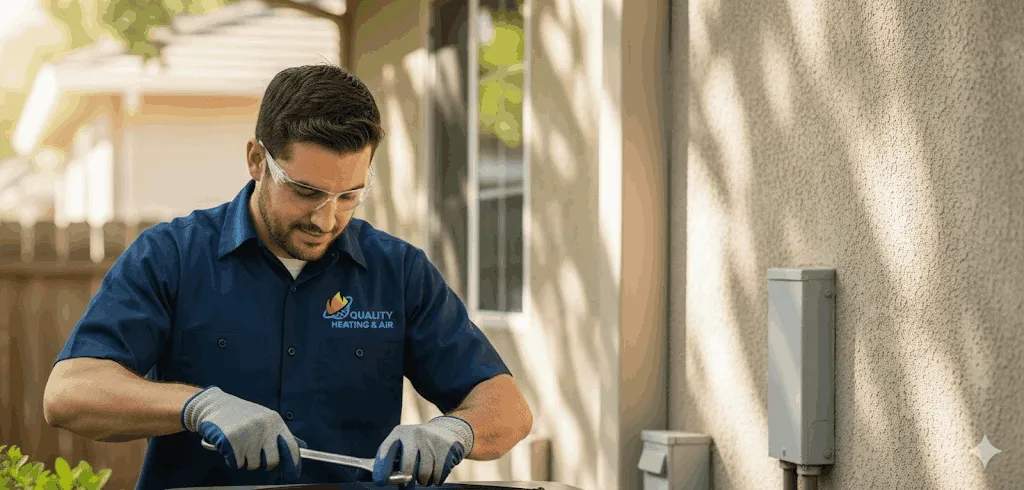
Water Heater Repair in Lafayette, CO
A reliable hot water supply is essential for everyday comfort in Lafayette homes. Whether you wake up to no hot water, notice inconsistent temperatures, or find a puddle near your heater, prompt, professional water heater repair protects your comfort, prevents property damage, and can extend the life of the unit.
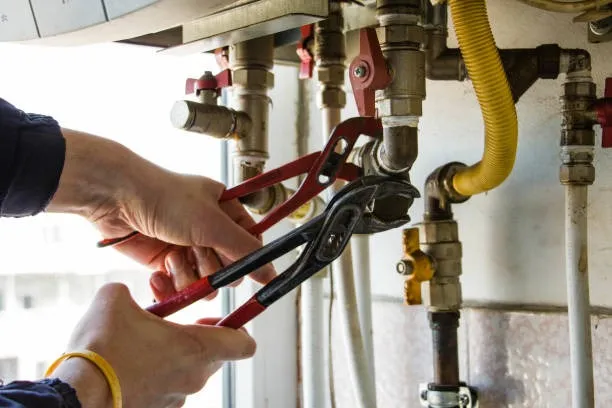
Common water heater problems in Lafayette homes
- No hot water
- Causes: tripped breaker, failed heating element, gas supply or ignition failure on gas units.
- Inconsistent or lukewarm temperature
- Causes: failing thermostat, sediment build-up reducing efficiency, partially failed element.
- Leaks around the tank or connections
- Causes: loose fittings, failed inlet/outlet valves, corroded tank (often not repairable), faulty pressure relief valve.
- Strange noises (popping or rumbling)
- Causes: sediment accumulating on the tank bottom causing localized boiling.
- Pilot light or ignition failures (gas heaters)
- Causes: clogged pilot orifice, faulty thermocouple, bad gas valve, or venting/combustion issues.
- Rapidly rising utility costs or slow recovery
- Causes: reduced efficiency from age, sediment, or failing components.
Lafayette’s water quality and seasonal climate can influence these issues. Hard water common in the Boulder County area increases sediment and scale, accelerating element failure and reducing efficiency. Cold winter starts place extra load on heaters, making ignition and thermostat failures more noticeable.
How technicians diagnose and troubleshoot
- Safety check first
- Confirm power is off for electrical units or gas supply is shut off for gas units before any inspection.
- Visual and basic system checks
- Look for signs of external leaks, corrosion, or water stains; inspect valves, fittings, and venting.
- Electrical diagnostics (electric units)
- Test breakers, continuity of heating elements, and thermostat operation with a multimeter.
- Gas diagnostics (gas units)
- Check pilot/ignition operation, thermocouple or flame sensor, gas valve function, and proper venting/combustion.
- Performance and pressure checks
- Measure outlet temperature, check pressure relief valve operation, and assess flow rate.
- Sediment assessment
- Drain a small sample or perform a partial flush to evaluate sediment levels and test dip tube and anode rod condition.
- Tank integrity assessment
- Determine whether a leak is isolated to fittings/valves or indicates tank corrosion that requires replacement.
Technicians will explain findings clearly and show which issues are repairable versus those that indicate end of life.
Typical repair services and what they involve
- Heating element replacement (electric)
- Swap failed element(s) and test for proper operation; typically improves recovery and restores heat.
- Thermostat replacement or calibration
- Replace or adjust thermostats to restore stable temperature control.
- Pressure relief valve repair or replacement
- Replace stuck or leaking relief valves to ensure safe pressure release.
- Leak repair
- Tighten or replace fittings, repair valves, or replace damaged inlet/outlet components. Note: tank body leaks due to corrosion usually require replacement.
- Thermocouple, igniter, or control board repairs (gas)
- Replace worn safety components or ignition modules to restore reliable ignition.
- Anode rod replacement
- Replace deteriorated sacrificial anode to slow tank corrosion and extend service life.
- Sediment removal and flush
- Flush tank to remove sediment that causes noise, inefficiency, and early element failure.
- Tankless water heater repairs
- Clean or replace flow sensors, flush heat exchanger to remove scale, or replace electronic controls.
Each repair visit typically includes an on-site assessment and a clear explanation of what will be fixed and why.
Emergency response and service availability
Water heater problems can create urgent issues: no hot water in cold months, flooding from a leaking tank, or a gas-smell situation. Many professional providers serving Lafayette offer:
- Same-day diagnostic visits for urgent failures
- Emergency response for active leaks or suspected gas hazards
- Triage instructions for homeowners to limit damage (shut off power or gas, turn off water supply to the heater)
If you discover a leak, shut off the heater’s water supply at the dedicated valve and isolate power or gas for safety. For any gas odor, evacuate and follow local emergency guidance.
When to repair versus replace
Consider repair when:
- The unit is under 8-10 years old (tank) or under 12-15 years for well-maintained tankless units
- The issue is an isolated, replaceable component (element, thermostat, valve)
- The unit is otherwise in good condition with no recurring problems
Consider replacement when:
- The tank has a corroded or leaking body (internal rust cannot be reliably repaired)
- Multiple major components are failing within a short timeframe
- Efficiency is poor and energy savings from a new high-efficiency unit justify the investment
- The cost of repair approaches or exceeds the reasonable remaining life value of a new unit
Other factors that influence the decision: household hot water demand changes, desire for energy-efficient upgrades, and available space for new equipment.
Pricing expectations and cost factors
Rather than fixed prices, expect repair costs to vary based on:
- Type of unit (electric, gas, or tankless)
- Age and model of the heater
- Parts required (basic parts like elements or valves are less costly than control boards or heat exchangers)
- Accessibility of the unit and time required for safe diagnostics and repair
- Whether emergency or after-hours service is needed
Ask for a written estimate before work begins that separates diagnostic, parts, and labor charges.
Preventative maintenance to extend equipment life
- Annual flush of tank-style heaters to remove sediment; consider more frequent service in hard water areas like Lafayette.
- Inspect and replace anode rod every 3 to 5 years, or sooner if heavily corroded.
- Test the temperature and pressure relief valve yearly to ensure proper operation.
- Check for signs of leakage and corrosion during seasonal checks.
- Maintain set temperature at 120°F to reduce scaling and lower scald risk while saving energy.
- For tankless systems, schedule periodic descaling to prevent scale buildup and preserve flow sensors.
- Consider installing a whole-house water softener or point-of-use filters where water hardness accelerates wear.
Regular maintenance reduces emergency repairs, improves efficiency, and extends service life.
What to expect during a repair visit and scheduling process
A typical service flow includes:
- Pre-visit scheduling: providers offer standard and emergency appointment windows; technicians may confirm basic symptoms before arrival.
- On-site diagnostic: technician performs safety checks, diagnostics, and explains findings and repair options.
- Written estimate: clear breakdown of recommended repairs or replacement options and timelines.
- Repairs performed: many common component repairs can be completed same day; more complex work may require ordering parts or scheduling return visits.
- Post-repair testing: technicians verify operation, run safety checks, and restore the system to service.
For homeowners in Lafayette, knowing the local seasonal demand for service helps plan preventative maintenance before winter or summer peaks.
Promotions
Save on seasonal system checks from a local team that treats your home like our own.

Testimonials
Neighbors trust Quality Heating & Air for honest work and fair pricing.