
Water Heater Installation in Lafayette, CO
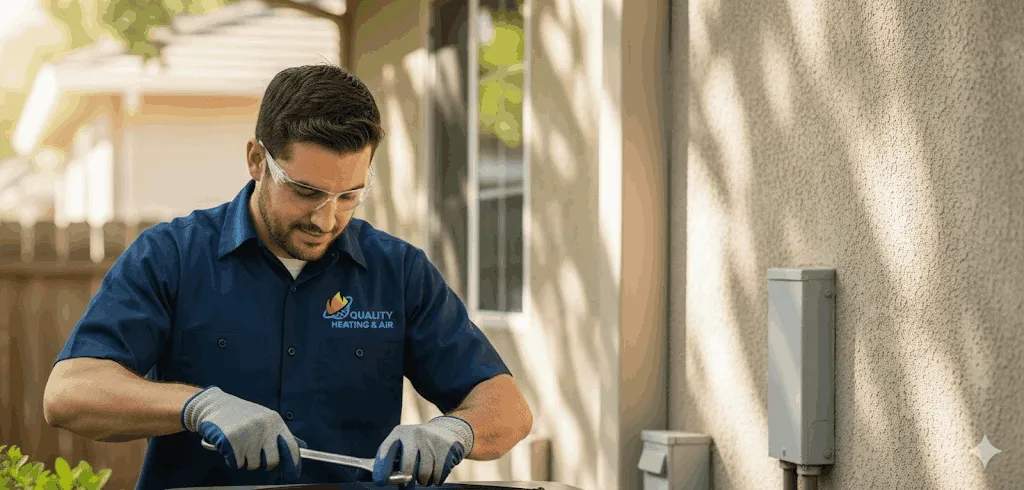
Water Heater Installation in Lafayette, CO
Replacing or upgrading your water heater is a major home decision. In Lafayette, CO, where cold winters and seasonal swings put extra demand on hot water systems, a properly sized, code-compliant installation improves comfort, energy costs, and long-term reliability.
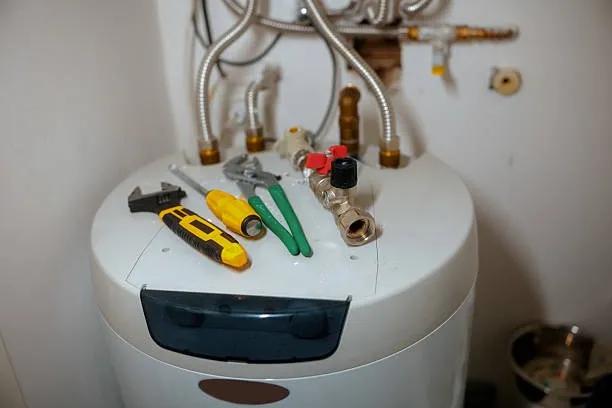
Why proper installation matters in Lafayette, CO
Lafayette’s climate—cold winters, significant temperature swings, and higher elevation—means colder incoming water and heavier demand on your water heater during peak seasons. Many homes in the Boulder County area also contend with moderately hard water, which can accelerate mineral buildup in tanks and heat exchangers. A correctly sized, efficient unit installed to code reduces energy use, minimizes downtime, and extends equipment life.
Assessing household hot water needs and system sizing
Sizing is the first critical step. A professional assessment includes:
- Number of occupants and typical usage patterns (showers, laundry, dishwasher use).
- Peak hour demand calculation (gallons per minute for tankless, first-hour rating for tank systems).
- Incoming groundwater temperature at Lafayette’s elevation (colder source increases required heating capacity).
- Available fuel types: natural gas, propane, or electric.
Common sizing guidelines:
- Storage tank: choose a tank with a first-hour rating that meets or exceeds your peak-hour demand.
- Tankless: size by flow rate (GPM) and temperature rise required—Lafayette homes often need higher BTU output to compensate for colder inlet water.
Tank vs. Tankless vs. Heat Pump (high-efficiency) — which fits Lafayette homes?
- Tank (storage) water heaters
- Pros: Lower upfront cost, simple replacement, reliable during power outages (gas tanks).
- Cons: Standby heat loss; shorter lifespan (8–12 years on average).
- Tankless (on-demand)
- Pros: Continuous hot water, smaller footprint, long life (15–20 years), lower energy use when demand is intermittent.
- Cons: Higher upfront cost, may require gas line or electrical upgrades, performance affected by high simultaneous uses.
- Heat pump / high-efficiency electric
- Pros: Best energy efficiency in many cases, eligible for higher rebates and tax credits, lower operating costs in mild climates.
- Cons: Larger space and clearance needs, performance drops at low ambient temperatures unless paired with a hybrid mode.
In Lafayette, homeowners who have high simultaneous demand (multiple showers plus laundry) often pair a larger tank or multiple point-of-use solutions with a primary system. Tankless works well for families focused on space and long-term efficiency if gas or high-capacity electric service is available.
Permitting and code compliance in Lafayette
Most water heater replacements and installations require a permit and inspection through the City of Lafayette or Boulder County, depending on jurisdiction. Key code considerations:
- Proper venting and combustion air for gas units.
- Seismic or strapping requirements, if applicable.
- Temperature and pressure relief (T&P) valve discharge routing.
- Condensate drainage for high-efficiency units.
- Electrical service capacity for high-power electric or hybrid heat pump models.
A licensed professional will pull permits, schedule inspections, and ensure the installation meets local amendments to plumbing and mechanical codes.
Recommended brands and warranties
Reliable brands commonly used in Colorado installations include Rheem, A.O. Smith, Bradford White (tanks), Rinnai, Navien, Noritz (tankless), and Stiebel Eltron (heat pump/electric). Typical warranty ranges:
- Storage tanks: 6–12 years (parts and sometimes tank).
- Tankless units: 10–15 years on heat exchangers; parts often shorter.
- Heat pump hybrids: warranties vary; compressor warranties may be 10 years.
Always confirm the specific manufacturer warranty terms and whether registration or professional installation is required to maintain full coverage.
Professional installation steps and typical timeline
A professional installation follows a clear sequence:
- On-site assessment and final sizing check.
- Permit application and scheduling.
- System shutoff and safe removal of the existing unit (1–2 hours for a standard tank).
- Install new unit, including gas/electrical connections, venting, water lines, and safety devices (tank installs commonly 3–6 hours; tankless or systems requiring major upgrades may take a full day or more).
- Inspection (required by local code) and system commissioning.
- Post-install testing and homeowner walkthrough.
Allow for potential added time if gas line upsizing, venting changes, electrical service upgrades, or structural modifications are necessary.
Pricing and financing options
Installation cost varies by system type, capacity, and required upgrades. Factors that increase cost include high-efficiency or tankless equipment, gas or electrical service upgrades, new venting, and permit fees. Financing options commonly available through lenders or manufacturer/retailer programs can spread payments over time. Energy-efficient models may offer lower operational costs that offset higher initial investment.
Post-installation testing and recommended maintenance
After installation, a thorough test includes leak checks, combustion analysis (for gas units), and temperature/pressure safety verification. Ongoing maintenance preserves efficiency and lifespan:
- Storage tanks: flush annually to remove sediment, inspect and replace anode rod every 3–5 years in hard water areas.
- Tankless: descale/flush the heat exchanger every 1–3 years depending on water hardness; clean the inlet screen filter.
- Heat pump hybrids: clear condensate drains and ensure adequate airflow.
Document service dates and follow manufacturer maintenance schedules to protect warranties.
Rebates and energy-saving tips for Lafayette homeowners
Many Lafayette and Colorado homeowners qualify for utility rebates and state or federal incentives for high-efficiency and heat pump water heaters. Check local utility programs (utility rebates often target heat pump and ENERGY STAR models) and available federal tax credits. Energy-saving tips:
- Lower thermostat settings to 120°F to save energy and reduce scald risk.
- Insulate accessible hot water pipes and the first few feet of the hot water tank.
- Use low-flow fixtures to reduce hot water demand.
- Consider a smart water heater controller or recirculation system with timers to minimize standby losses.
Promotions
Save on seasonal system checks from a local team that treats your home like our own.

Testimonials
Neighbors trust Quality Heating & Air for honest work and fair pricing.