
Water Heater Replacement in Denver, CO
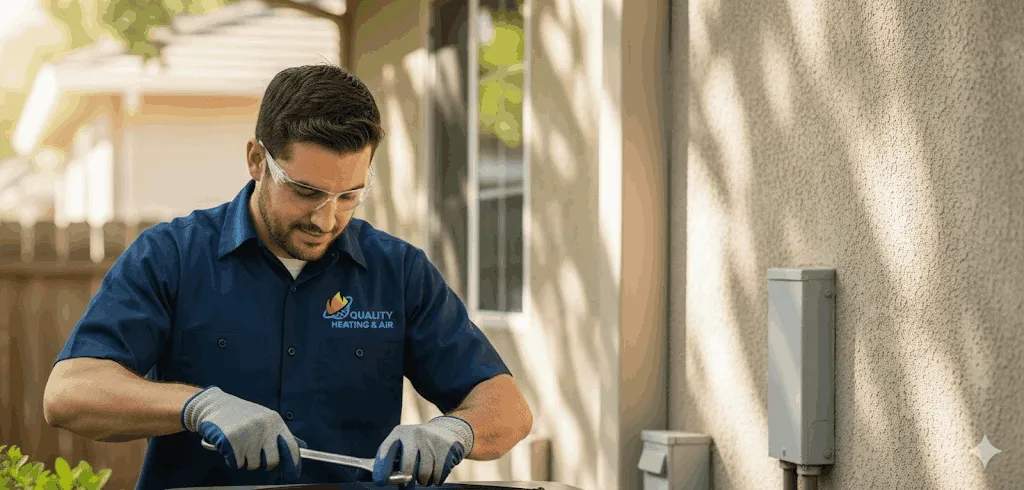
Water Heater Replacement in Denver, CO
Replacing a water heater is a major home service decision that affects comfort, energy bills, and long-term reliability. In Denver, CO, where cold winters, high altitude, and hard water are common, choosing the right replacement and installing it correctly matters more than in many other areas.

Why replacement matters in Denver homes
Denver’s seasonal temperature swings and frequent freezes mean water heaters face heavier demand and freeze-risk conditions. High-altitude combustion appliances need manufacturer-specified adjustments, and Denver-area water tends toward mineral hardness that accelerates scale buildup inside tanks and tankless heat exchangers. Replacing an aging or failing unit with a properly sized, code-compliant model improves reliability, reduces energy waste, and protects your plumbing system.
Common signs a water heater needs replacement
Look for these clear indicators that replacement should be considered rather than continued repairs:
- Repeated breakdowns or rising frequency of repairs.
- Unit age: most traditional tanks older than 10 to 12 years, and tankless units older than 15 to 20 years.
- Rusty or discolored hot water or visible corrosion on the tank.
- Leaks around the tank or pooling water on the floor.
- Loud rumbling, popping, or banging noises from inside the tank.
- Running out of hot water quickly or inconsistent water temperature.
- Noticeably higher energy bills without other causes.
Compare your upgrade options: tank, tankless, hybrid
Choosing the right replacement depends on fuel type, household hot water usage, space, and budget. Here are the main options:
- High-efficiency tank-style water heater (gas or electric)
- Pros: Lower upfront complexity, familiar technology, reliable supply for multiple fixtures, simpler venting for like-for-like replacements.
- Cons: Larger footprint, standby heat losses (less efficient than tankless or heat pump designs), lifespan typically shorter than tankless.
- Denver considerations: insulate unconditioned basements and protect external discharge/condensate in cold months.
- Tankless (on-demand) water heater
- Pros: Continuous hot water, smaller footprint, higher operational efficiency for many households, longer expected lifespan.
- Cons: Higher initial equipment and installation complexity, flow rate limits require careful sizing, sensitive to mineral scale in hard water areas.
- Denver considerations: scale prevention is critical due to local hard water. Gas tankless units require altitude adjustments and proper venting.
- Hybrid / Heat pump water heater
- Pros: Best energy efficiency for electric systems, can cut electrical water heating energy significantly in many climates, good for homes with adequate space and moderate ambient temperatures.
- Cons: Requires a well-ventilated, unheated or conditioned space because heat pumps extract heat from surrounding air; efficiency drops in very cold spaces.
- Denver considerations: basements with moderate year-round temperatures are ideal. Cold uninsulated spaces will reduce heat pump performance.
How we determine the right size and system
Sizing matters. The process includes:
- Evaluating household hot water demand: number of occupants, simultaneous fixture use, peak morning/evening demand.
- For tanks: selecting appropriate first hour rating and tank capacity.
- For tankless: calculating required gallons per minute and temperature rise needed for Denver groundwater temperatures.
- Checking available fuel source, gas line capacity, venting or electrical service ampacity, and space constraints.
Replacement process and timeline
Typical professional replacement steps:
- On-site inspection and measurement to confirm sizing and mounting locations.
- Obtain necessary permits and schedule inspections with Denver building authorities.
- Shut off utilities, drain and disconnect the old unit.
- Install new unit, including venting, combustion air, condensate management, electrical connections, or gas line work as required.
- Startup, calibration for altitude if gas-fired, pressure and leak tests, and functional verification for all outlets.
- Final inspection and permit sign-off.
Timeline expectations:
- Like-for-like tank swaps: often completed in a single day.
- Conversions (electric to gas, tank to tankless, or new venting/electrical upgrades): can take one to several days depending on complexity and permit scheduling.
- Permit and inspection timing may add several days to a week depending on local Denver building department schedules.
Permitting and code compliance in Denver
Most water heater replacements require a permit in the City and County of Denver and surrounding municipalities. Key code considerations include:
- Proper venting and combustion air for gas appliances.
- Seismic or strapping requirements where applicable.
- T&P discharge piping, drain pan and pan drain routing if unit is in conditioned or finished space.
- Condensing appliance condensate disposal and high-efficiency flue terminations.
- Electrical sizing and disconnect requirements for electric or hybrid units.
Licensed professionals will secure permits, perform installations to municipal code, and coordinate inspections to ensure compliance.
Removal and disposal of the old unit
Safe, compliant removal includes:
- Draining and disconnecting fuel, water, and electrical lines.
- Proper handling of refrigerant-containing components if present (rare for conventional water heaters).
- Recycling scrap metal components where local recycling programs exist.
- Disposal or recycling of the old unit following Denver-area waste and recycling rules.Responsible removal avoids safety risks and ensures proper waste diversion.
Warranty and service agreements
Factory warranties vary by technology:
- Traditional tank manufacturers commonly offer limited warranties covering parts for a set number of years, with some extended options for certain models.
- Tankless units often include longer heat exchanger warranties but shorter parts coverage.
- Hybrid heat pump warranties typically mirror electric appliance warranties with additional compressor coverage.
Consider an annual maintenance agreement to preserve warranty eligibility and prevent issues from scale and sediment. In Denver’s hard water environment, scheduled descaling or flushing is essential for longevity, especially for tankless systems.
Energy-savings and long-term value
Upgrading can reduce operating costs and deliver better hot water reliability:
- Tankless systems and hybrid heat pump models typically offer the largest reductions in energy consumption compared to older conventional tanks.
- Tankless can provide significant savings for households with moderate to high hot water use and who want continuous supply.
- Heat pump water heaters deliver strong electrical efficiency where ambient space conditions suit them.
- Payback depends on how much hot water you use, fuel and electricity rates, and local climate. Long-term value also includes reduced maintenance frequency and longer equipment life in many upgrade scenarios.
Choosing the right replacement for Denver
Select a system based on:
- Household size and peak simultaneous hot water demand.
- Existing fuel type and whether conversion is feasible given venting and utility access.
- Space constraints and ambient conditions for heat pump units.
- Water quality: if Denver hard water affects equipment, pair the new system with a water treatment solution or a factory-recommended scale inhibitor.
- Desire for lower operating costs versus upfront investment and willingness to perform scheduled maintenance.
Regular maintenance, proper installation to Denver code, and choosing a unit with the right warranty profile ensure the new water heater delivers reliable hot water and long-term savings for Denver homeowners.
Replacing your water heater in Denver is both a technical and practical decision. Understanding options, local installation requirements, and long-term maintenance needs helps you pick a solution that fits your home, your budget, and Denver-area conditions.
Promotions
Save on seasonal system checks from a local team that treats your home like our own.

Testimonials
Neighbors trust Quality Heating & Air for honest work and fair pricing.