
Water Heater Installation in Denver, CO
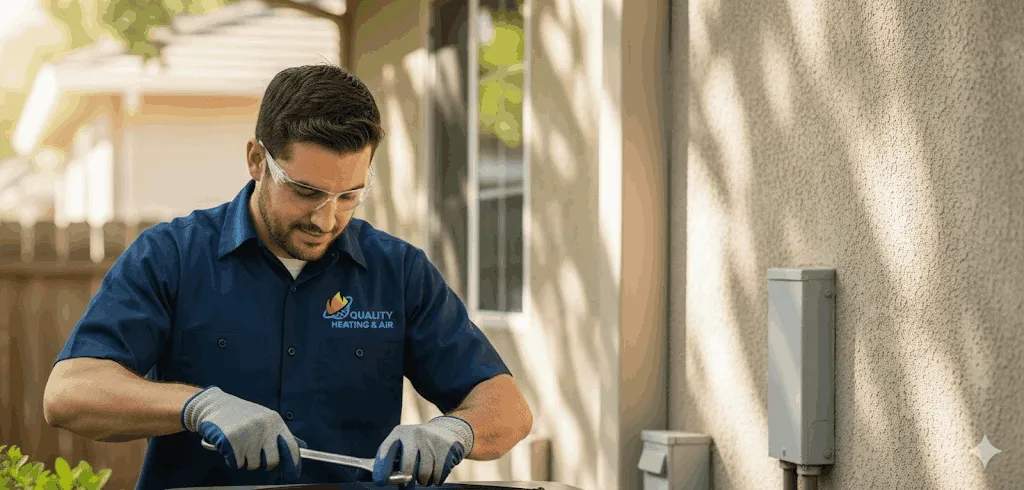
Water Heater Installation in Denver, CO
Replacing or upgrading your water heater is a major decision for Denver homeowners. The right installation provides reliable hot water, lowers energy bills, meets local code, and extends equipment life.
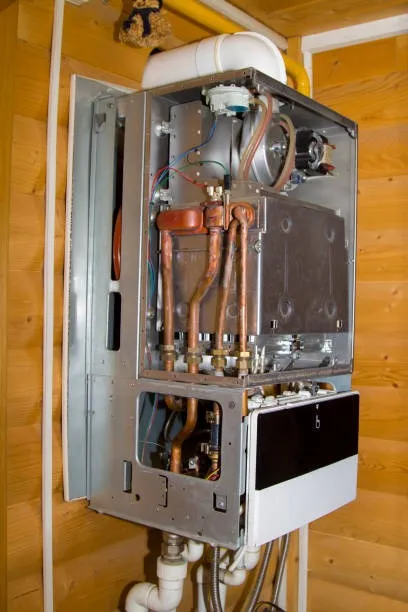
Why professional water heater installation matters in Denver homes
Denver’s seasonal extremes and local building requirements make professional installation important. Winters bring long cold snaps that increase hot water demand, while mineral-rich municipal water in the Front Range accelerates scale buildup. High-efficiency units and correct venting or combustion adjustments for altitude ensure safe, efficient operation. Proper installation reduces the risk of leaks, carbon monoxide issues, and premature equipment failure.
Common water heater types and common issues in Denver
- Tank water heaters (gas or electric): Simple, reliable, good for high simultaneous demand. Common issues: sediment buildup, failed thermostats, leaking tanks.
- Tankless (on-demand) units: Compact, energy-efficient for continuous hot water, lower standby loss. Common issues: mineral scaling, inadequate gas supply or venting if retrofitted improperly.
- Heat pump (hybrid) water heaters: Very efficient in moderate-temperature spaces. Considerations: require space and warmer ambient temperatures for best performance.
Common water heater issues in Denver include reduced capacity from scale, long recovery times on older tanks, fluctuating water temperature during cold snaps, and venting or combustion problems on gas units if not adjusted for altitude.
System sizing and selection: choosing the right unit for your Denver home
Correct sizing is essential to balance comfort and cost. Sizing depends on household hot water habits, peak demand, and available fuel type.
- For tank systems: choose by first-hour rating (FHR) to meet morning or evening peak demand. Typical Denver households with 2 to 4 occupants often select 40 to 50 gallon tanks, but larger or high-demand homes may need 75 gallons or more.
- For tankless systems: select by required gallons per minute (GPM) and temperature rise. Denver’s cold incoming water may require higher GPM capacity to maintain desired outlet temperatures, so factor in winter ground water temperatures.
- Fuel choice: natural gas is common in Denver neighborhoods and often offers lower operating costs for high-demand homes. Electric or heat pump models are attractive where gas is unavailable or for homeowners prioritizing electric systems.
Energy-efficiency and long-term savings
Energy efficiency matters for operating costs and available incentives. Look for:
- High Energy Factor (EF) or Uniform Energy Factor (UEF) ratings.
- ENERGY STAR qualified models or high-efficiency condensing gas units.
- Heat pump water heaters for homes with suitable space and climate considerations.
- Proper insulation and temperature control to reduce standby loss on tank units.
Denver and Colorado utilities periodically offer rebates or incentives for high-efficiency water heaters and weatherization measures. Accounting for these rebates and projected energy savings helps determine lifecycle cost, not just upfront price.
Site assessment and local code/permit requirements
A thorough site assessment includes fuel availability, vent location, combustion air, drainage, seismic strapping, and proximity to living spaces. In Denver, installations must comply with local plumbing and building codes and typically require a permit. Key local considerations:
- Venting and combustion air for gas units and high-efficiency condensing flue requirements.
- Gas line sizing and possible adjustments for tankless units with higher gas demand.
- Electrical requirements for electric and hybrid units, including dedicated circuits.
- Drainage and overflow pan placement, especially on second floors.
- Permit inspections that verify proper installation and safety testing.
A licensed installer will secure required permits and coordinate inspections with Denver building officials to ensure full compliance.
Professional installation: step-by-step expectations
Professional installations follow a clear process to reduce disruptions and ensure safety:
- Pre-install assessment and final product selection based on site specifics.
- Disconnect and safely remove the old unit, disposing according to local regulations.
- Prep the installation area: level platform, install drain pan if required, and verify vent or electrical readiness.
- Set and connect the new unit: water lines, gas piping or electrical wiring, venting or condensate lines, and controls.
- Pressure test plumbing, check gas connections with leak detection, and secure venting paths.
- Commissioning: set thermostat, configure controls, and test hot water flow across fixtures.
- Final inspection and paperwork to fulfill permit requirements.
Timeline expectations
- Standard tank replacements in an accessible location: typically 4 to 6 hours.
- Tankless installations or relocations that require gas line upgrades, new venting, or electrical work: typically 1 day, sometimes longer depending on complexity.
- Permit turnaround and inspection scheduling can add additional days; plan for permit processing when timing matters.
Warranties and documentation
New water heaters include manufacturer warranties that vary by component: tank, heat exchanger, and parts. Expect:
- Manufacturer warranty (commonly 3 to 12 years depending on model and brand).
- Labor warranty from the installer for workmanship; verify duration and what's covered.
- Documentation provided at handover: warranty cards, installation checklist, and maintenance recommendations.
Keep all paperwork and the permit record; warranty claims and resale value depend on documented professional installation and inspection.
Post-installation testing and commissioning
After installation, technicians perform thorough commissioning:
- Verify hot water temperature and thermostatic settings.
- Check for leaks, proper drain and overflow operation, and secure vent connections.
- Test combustion safety and perform carbon monoxide checks on gas units.
- Demonstrate system operation and explain maintenance needs and controls.
Proper commissioning ensures the system operates safely and at expected efficiency from day one.
Maintenance plans and financing options
Regular maintenance extends life and maintains efficiency, especially in Denver where mineral content can be higher:
- Annual flush and sediment removal for tank heaters.
- Anode rod inspection and replacement as needed.
- Scale prevention and descaling plans for tankless units in hard water areas.
- Filter and condensate drain checks for high-efficiency and heat pump models.
Many homeowners opt for service plans that include annual inspections, priority scheduling, and discounted repairs. Financing and payment plans are commonly available through manufacturers and local lenders to spread installation costs. Factoring in energy savings, rebates, and financing can make higher-efficiency equipment more affordable over the long term.
Promotions
Save on seasonal system checks from a local team that treats your home like our own.

Testimonials
Neighbors trust Quality Heating & Air for honest work and fair pricing.