
Water Heater Repair in Denver, CO
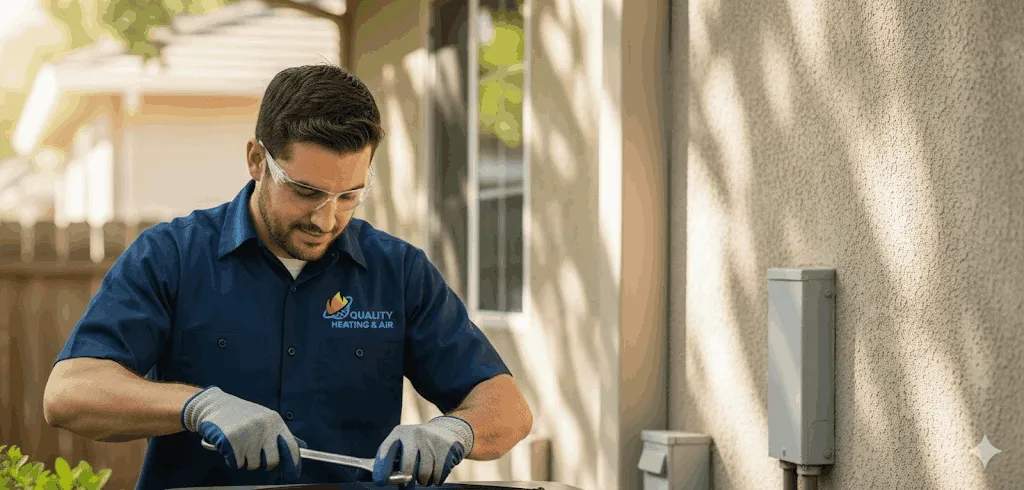
Water Heater Repair in Denver, CO
A reliable hot water supply is essential for comfort and daily routines in Denver homes. Cold winters, mineral-rich municipal water, and high-altitude operating conditions can accelerate wear on water heaters and produce the most common failures homeowners face.
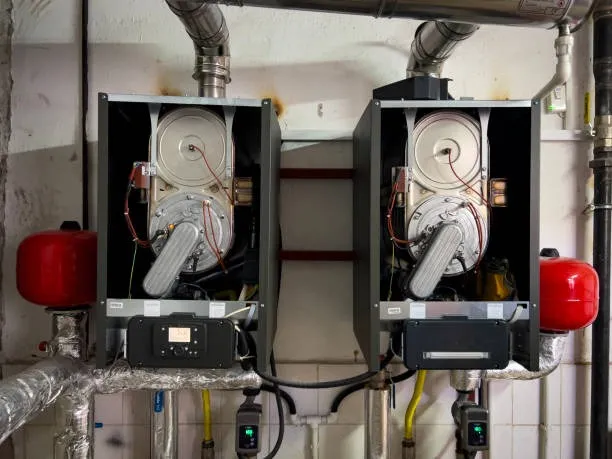
Why Denver homes need specialized water heater care
Denver’s seasonal extremes—hot summers and freezing winters—put extra stress on plumbing and heating systems. Many homes also contend with moderately hard to hard water, which increases mineral deposits (sediment) inside tanks and on heating elements. Those conditions make regular diagnostics and timely repairs especially valuable to avoid sudden failures during Denver’s cold months.
Common water heater issues in Denver homes
- No hot water or inconsistent temperatures: Often caused by a failed thermostat, bad heating element (electric units), or a broken gas valve/ignition system (gas units). Layered sediment can also reduce available hot water.
- Leaking tank or fittings: Corrosion, loose connections, failed temperature and pressure relief (TPR) valves, or cracks in an older tank can cause slow or rapid leaks.
- Pilot light or ignition failures: Gas water heaters can fail to ignite due to faulty thermocouples, dirty pilot orifices, or control module problems.
- Faulty thermostats and valves: These can lead to scalding temperatures or no heat and may produce error codes on newer units.
- Sediment buildup: Mineral accumulation reduces efficiency, causes rumbling noises, and shortens component life.
- Strange noises or odors: Popping or rumbling usually signals sediment; rotten-egg smells can indicate bacterial growth in tanks or issues with gas lines and require immediate attention.
How a professional diagnostic works
A thorough diagnostic is the first step in effective repair:
- Visual inspection of tank, fittings, valves, and venting for gas units.
- Functional checks of thermostats, heating elements, burners, ignition systems, and the TPR valve.
- Measurement of incoming and output water temperatures, and testing water pressure.
- Assessment for sediment and corrosion, including drain-and-check procedures if needed.
- Evaluation of system sizing and age to determine whether repair or replacement is the most cost-effective option.
Technicians explain findings in plain language and present options prioritized by safety, reliability, and long-term cost.
Typical repairs and replacement options
Repairs commonly performed in Denver homes:
- Replacing thermostats, heating elements, gas valves, thermocouples, igniters, or control modules.
- Repairing or replacing leaking valves, fittings, or TPR valves.
- Flushing tanks and removing sediment; replacing anode rods to slow corrosion.
- Minor tank patching for contained leaks (where code permits) or recommending replacement when tank integrity is compromised.
Replacement options to consider:
- Traditional tank water heaters (gas or electric) — reliable and familiar for most homes.
- Tankless (on-demand) water heaters — save space and can provide continual hot water for appropriately sized setups.
- Heat pump (hybrid) water heaters — high efficiency in suitable spaces and climates.
- When choosing a replacement, professionals consider household hot water demand, installation space, local energy costs, and Denver-area venting and code requirements.
Emergency response and typical repair timelines
Emergencies include active leaks (especially those flooding areas), loss of heat during freezing weather, or the smell of gas. Immediate homeowner steps:
- For leaks: shut off the cold water supply to the heater and, if safe, the electrical breaker or gas valve.
- For gas odors: leave the home immediately and have the gas provider and a professional verify safety before reentry.
Emergency response times depend on issue severity and local availability; many urgent repairs can be started same day or within 24 hours. Typical non-emergency repairs often complete within a few hours; more extensive replacement projects can take a day or two including any necessary permits and inspections.
Parts, warranties, and transparent pricing estimates
A trustworthy repair service provides clear, itemized estimates that break down diagnostic fees, parts, labor, and any recommended upgrades. Estimates should explain whether replaced parts carry manufacturer warranties and how labor warranties are handled. Common replacement parts include thermostats, heating elements, anode rods, gas valves, thermocouples, igniters, and control boards. For replacements, professionals will outline options and the projected lifespan of the new system, and clarify any permit or inspection needs required by local code.
Preventative maintenance and tips to extend system life
Regular maintenance reduces breakdown risk and improves efficiency:
- Flush the tank at least once a year to remove sediment; more frequent flushing may be needed with hard water.
- Inspect and test the TPR valve annually.
- Replace the sacrificial anode rod every 3–5 years (longer for soft water, sooner for hard water) to slow tank corrosion.
- Insulate exposed hot and cold pipes and the tank (if uninsulated) to reduce heat loss and cycling.
- For gas units, have burners and vents inspected before winter to ensure safe operation.
- Consider a water softener if hard water is causing rapid sediment buildup.
What to expect after service
After repairs or replacement, expect a technician to test the system, verify safe operation (venting, combustion for gas systems), and leave a written summary of work performed along with maintenance recommendations. Properly maintained water heaters in the Denver area can deliver reliable hot water for many years; proactive care and timely repairs are the best way to avoid costly emergency replacements and prolonged downtime.
This information is intended to help Denver homeowners understand common water heater problems, what a professional diagnostic and repair process entails, and how to protect your hot water investment in local conditions. Regular inspections and addressing issues early will keep hot water available when you need it most.
Promotions
Save on seasonal system checks from a local team that treats your home like our own.

Testimonials
Neighbors trust Quality Heating & Air for honest work and fair pricing.