
Water Heater Replacement in Arvada, CO
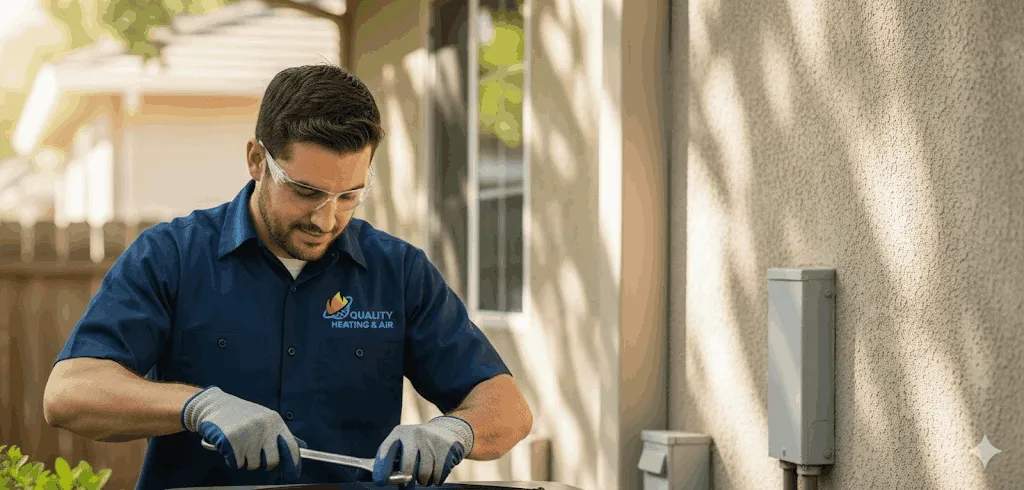
Water Heater Replacement in Arvada, CO
Replacing a water heater is a decision homeowners rarely enjoy, but in Arvada, CO it is often the smartest way to restore reliable hot water, improve energy efficiency, and avoid ongoing emergency repairs.

Why replacement matters in Arvada, CO
Arvada experiences cold winters and seasonal demand spikes for hot water. Many homes also contend with moderately hard water that accelerates scale buildup in tanks and shortens equipment life. At the city elevation near 5400 feet, gas burner settings and venting can require adjustment. Replacing an inefficient or failing unit with the right model sized for your household and local conditions can lower energy bills, reduce repair headaches, and ensure consistent hot water through winter months.
Common water heater issues in Arvada, CO
Homeowners searching for "common water heater issues in Arvada, CO" usually see these problems:
- Age and frequent repairs: Tanks older than 10 to 15 years, or frequent component failures.
- Insufficient hot water: Undersized units or sediment-reduced capacity from hard water scale.
- Leaks and corrosion: Tank leaks are usually terminal and require replacement.
- High energy bills: Older atmospheric or inefficient tanks consume more gas/electricity.
- Strange noises: Rumbling or popping from sediment buildup.
- Pilot or burner problems: More common at altitude if not correctly tuned.
Replacement vs. Repair: Key criteria
Deciding whether to repair or replace depends on several straightforward points:
- Age: If the unit is more than 10 years old (electric) or 8 to 12 years (gas), replacement is often more cost-effective long term.
- Repair cost vs. replacement cost: If a single repair is 40 percent or more of a new unit cost, replacement usually makes financial sense.
- Leak or tank failure: Visible tank leaks or corrosion typically warrant replacement.
- Efficiency goals: If you want meaningful energy savings or lower carbon footprint, upgrade rather than patch.
- Reliability needs: For households that cannot tolerate repeated downtime, replacement provides long-term peace of mind.
Choosing the right replacement: size and efficiency
Selecting the correct type and size affects comfort, operating cost, and longevity. Key options and tips:
- Types to consider
- High-efficiency storage tank: Improved insulation and modern burners for lower standby loss.
- Tankless (on-demand) water heaters: Continuous hot water, reduced energy use for many homes, but evaluate flow rate for simultaneous fixtures.
- Heat pump (hybrid) water heaters: Very efficient on electric, excellent long-term savings where space and ambient conditions allow.
- Condensing gas units: Higher efficiency for homes with high hot water demand and proper venting.
- Sizing basics
- For storage tanks, match first-hour rating (FHR) to household peak demand. A typical 2-4 person home often needs 40-50 gallon tanks; larger families require 50-80 gallon.
- For tankless, check gallons per minute (GPM) for your highest simultaneous demand (e.g., shower + dishwasher).
- Local considerations
- Hard water in Arvada reduces effective tank capacity over time; consider slightly larger nominal sizes or include a water softening strategy.
- Altitude adjustments for gas models: combustion and venting settings should be verified for Arvada elevation.
- Energy-conscious choices
- Heat pump and high-efficiency condensing units tend to deliver the biggest energy savings over time.
- Check for local utility rebates and available federal incentives when selecting a high-efficiency model.
Installation logistics: timeline, permits, and disposal
A professional water heater replacement in Arvada, CO typically follows these steps:
- Pre-install evaluation: Verify fuel type, venting, plumbing, electrical capacity, and location access.
- Permits: Most replacements require a building or plumbing permit with the City of Arvada or Jefferson County. Licensed installers generally handle permit submissions and inspections.
- Timeline: Typical residential replacements take 3 to 6 hours for a straight swap. Upgrades (switching fuel type, venting modifications, adding electrical for heat pump units) can extend to a day or two.
- Safety and code compliance: Installers must ensure proper venting, seismic strapping where required, temperature-pressure relief valve installation, and correct combustion air at altitude.
- Disposal: Old tank disposal and recycling is part of professional service and must meet local disposal regulations for appliances and refrigerants if applicable.
Expected energy savings and cost comparisons
Energy savings vary by technology and local fuel prices:
- Replacing an older gas tank with a high-efficiency gas (or condensing) unit can reduce water heating fuel use by 10 to 30 percent.
- Switching from a conventional electric tank to a heat pump water heater often cuts electric water heating energy by 50 to 70 percent.
- Tankless systems can reduce energy use when standby losses are significant, but savings depend on usage patterns.When weighing repair vs. replacement, consider lifecycle costs: initial purchase and installation, projected annual energy bills, and expected service life. A modern efficient unit pays back over time through lower utility costs and fewer repairs.
Warranty and service plan options
Factory warranties vary by product and component:
- Typical warranties: 6 to 12 years on tank materials for some high-end tanks, with shorter warranties on parts and controls.
- Extended parts and labor plans: Available from many providers to protect against future failures and labor costs.
- What to look for: Coverage for tank failure, burner/exchanger parts, and whether the warranty remains valid if the unit was not installed by a licensed professional.A service plan that includes annual inspections, flushing for storage tanks, and periodic efficiency checks can extend life and preserve warranty eligibility.
Minimizing downtime during replacement
To keep interruption short and predictable:
- Schedule during low-demand periods (midday) and avoid peak mornings.
- Plan temporary hot water options: boil water or use a small electric kettle for immediate needs if needed for a few hours.
- Ask the installer to pre-stage equipment and parts to avoid delays.
- For upgrades requiring electrical or plumbing changes, confirm that any subcontracted work is coordinated ahead of the scheduled day.
Maintenance and long-term benefits
A properly selected and installed replacement provides:
- More reliable hot water supply through Arvada winters.
- Lower energy bills and reduced carbon footprint with efficient models.
- Fewer emergency repairs and longer service life when combined with routine maintenance: annual flush for tanks, descaling where needed, and inspection of venting and controls.Choose a replacement that accounts for local water quality, climate, and altitude to maximize performance and longevity.
This guide is designed to help Arvada homeowners evaluate a water heater replacement with confidence, align the right new system to local conditions, and understand installation steps, expected savings, warranty considerations, and ways to minimize downtime.
Promotions
Save on seasonal system checks from a local team that treats your home like our own.

Testimonials
Neighbors trust Quality Heating & Air for honest work and fair pricing.