
Water Heater Installation in Arvada, CO
Water Heater Installation in Arvada, CO
Upgrading or replacing your water heater is one of the most impactful home improvements for comfort and energy savings in Arvada, CO. Cold winters, elevation effects on gas combustion, and moderately hard local water all influence the right choice and installation process.
Why a proper installation matters in Arvada
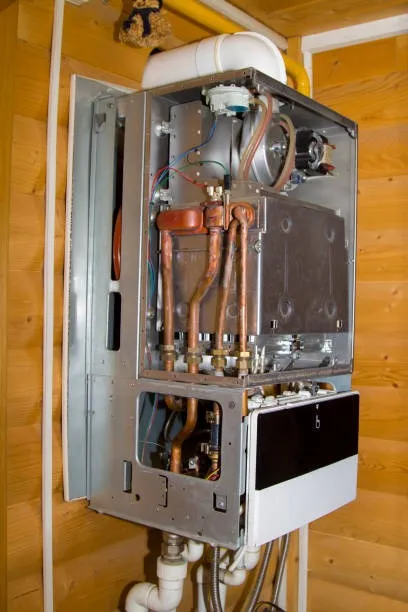
Improper water heater selection or installation can lead to inadequate hot water, higher utility bills, early failure, or safety hazards. In Arvada, where winters dip below freezing and many homes use natural gas, correct venting, combustion air, and insulation are critical. Hard water in the Denver metro area also accelerates scale buildup in tanks and heat exchangers, which affects performance and lifespan.
Common water heater issues in Arvada homes
- Inconsistent hot water or running out quickly during peak use
- Age-related corrosion, leaks, or tank failure
- High energy bills from inefficient or undersized units
- Pilot or ignition failures on gas units during cold snaps
- Scale buildup from hard water that reduces efficiency
Initial home assessment and proper sizing
A professional assessment should verify:
- Fuel type available: natural gas, electric, or propane
- Number of occupants and peak hot water needs (showers, appliances)
- Existing plumbing layout, venting, and combustion air access
- Location and space constraints: garage, basement, utility closet
- Water quality: hardness and sediment presence
Sizing basics:
- Storage tanks: choose based on first hour rating (FHR) relative to household peak demand. Typical family homes often need 40 to 60 gallon tanks, but assessment will determine exact FHR.
- Tankless: size by required flow rate in gallons per minute (GPM) and the temperature rise needed in Arvada winters. Cold incoming water at higher elevation increases required temperature rise, so tankless units with adequate GPM and power are essential.
- Heat pump or hybrid models: evaluate space and ambient temperatures; these work best in conditioned or mildly warm utility spaces.
Tank vs tankless vs high-efficiency options
- Tank (storage) water heaters
- Pros: lower upfront cost, reliable supply for brief high-demand periods, easier replacement.
- Cons: standby heat loss, shorter lifespan than tankless, susceptible to sediment and corrosion.
- Tankless (on-demand)
- Pros: continuous hot water, higher energy efficiency for many households, longer expected lifespan.
- Cons: higher upfront cost, may require larger gas line or electrical upgrades, performance affected by required temperature rise in winter.
- Heat pump / hybrid water heaters
- Pros: very high efficiency and operating cost savings, ideal for reducing energy use and qualifying for rebates.
- Cons: best installed in conditioned spaces; may struggle in unheated garages during cold months.
Consider local factors: Arvada winters increase temperature rise requirements for tankless systems and reduce heat pump efficiency if installed in unconditioned spaces. A hybrid solution in a heated utility room often balances efficiency and reliability.
Recommended brands and warranties
Reliable, commonly recommended brands for Arvada homeowners include Rheem, A.O. Smith, Bradford White, Rinnai (tankless), Noritz (tankless), and newer heat pump models from established manufacturers. Typical warranty considerations:
- Storage tanks: manufacturer warranties often cover the tank from 6 to 12 years depending on model and anode protection.
- Tankless: longer heat exchanger warranties are common, often 10 to 15 years for high-end units.
- Labor warranties: check contractor-provided labor warranties for installation workmanship.Always verify exact warranty terms for parts, heat exchangers, and labor before purchase.
Permit and safety considerations in Arvada
- Permits are normally required for water heater replacements or conversions (especially fuel type changes). Permits ensure proper installation, code-compliant venting, and safe gas or electrical work.
- Gas installations must meet local codes for gas line sizing, shutoff valves, and combustion air.
- Venting and carbon monoxide safety: correct vent materials, clearances, and CO alarms are critical in Colorado homes.
- Seismic strapping, relief valve discharge, expansion tank requirements, and pressure regulation are addressed by code and through inspection.A licensed installer will secure necessary permits, schedule inspections, and ensure code compliance.
Step-by-step installation timeline
Typical installation flow (one-day or two-day job depending on complexity):
- Pre-installation assessment and final equipment selection.
- Permitting submitted and approved.
- Site preparation: clear area, shut off utilities, protect floors.
- Disconnect and remove old unit; cap utilities transiently.
- Modify gas line, electrical, or venting as required for new unit.
- Set and secure new water heater; install expansion tank, pressure relief valve piping, and any necessary fittings.
- Connect water, gas/electric, and venting; seal and insulate connections.
- Start-up and calibration: ignite, set controls, check for leaks, verify venting and pressure.
- Final inspection and sign-off once permit inspection is complete.
Removal and disposal of the old unit
Old water heaters are typically drained, disconnected, and removed. Proper disposal includes:
- Recycling metal components whenever possible
- Safe disposal of any remaining fluids
- Following Jefferson County and City of Arvada municipal guidelines for appliance disposalLicensed installers handle disposal and recycling to ensure compliance with local regulations.
Expected costs and financing options
Costs vary by model type, capacity, and necessary upgrades (gas line, venting, electrical). Upgrading to tankless or heat pump models increases equipment and possible retrofit costs but reduces long-term operating expenses. Financing pathways to consider:
- Contractor financing plans and deferred-payment programs
- Home improvement loans or HELOCs
- Manufacturer financing for high-efficiency units
- Local utility rebates and state incentives, including energy-efficiency rebates that often apply to heat pump models and high-efficiency tankless water heatersAsk for detailed itemized estimates that separate equipment, labor, permit, and upgrade costs so you can compare total lifecycle investment.
Post-installation testing and maintenance guidance
After installation, thorough testing ensures safety and performance:
- Verify temperature settings, gas pressure, and ignition stability
- Test pressure relief valve operation and proper discharge routing
- Check venting draft and combustion safetyMaintenance checklist to extend life and efficiency:
- Flush tanked units annually to remove sediment
- Inspect and replace sacrificial anode rods as needed
- For tankless, schedule periodic descaling if water hardness is high
- Check relief valves, expansion tanks, and fittings yearly
- Insulate exposed hot water pipes and the tank (if allowed by manufacturer) to reduce heat lossLocal water hardness in Arvada suggests routine descaling or a whole-home water softener to prevent scale buildup, especially on tankless heat exchangers.
Long-term benefits and peace of mind
A professionally sized and installed water heater improves daily comfort, reduces energy use, and lowers the chance of emergency failures during cold months. Proper permitting, correct venting, and scheduled maintenance protect your home and investment. Consider energy-efficiency and available rebates when choosing a solution to maximize long-term savings in Arvada, CO.
Promotions
Save on seasonal system checks from a local team that treats your home like our own.

Testimonials
Neighbors trust Quality Heating & Air for honest work and fair pricing.