
Water Heater Repair in Arvada, CO
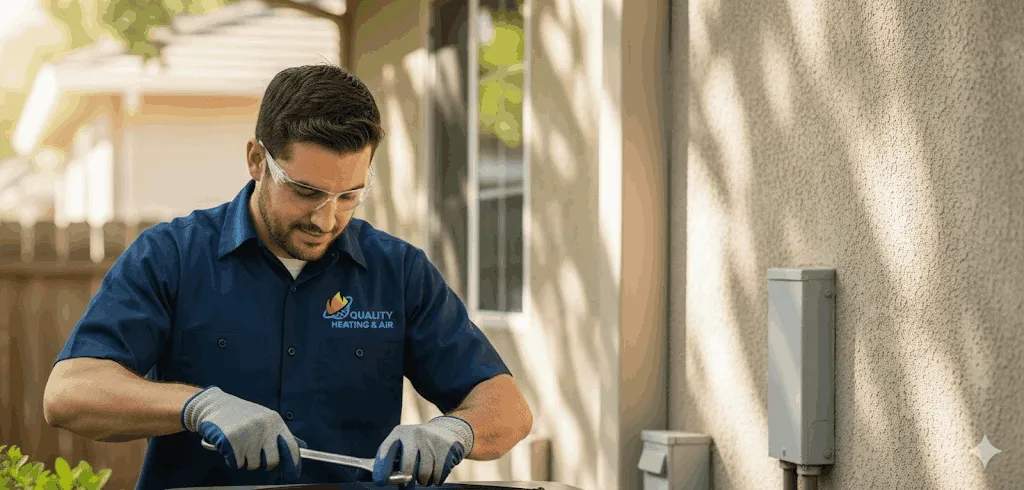
Water Heater Repair in Arvada, CO
Keeping reliable hot water is essential for comfort and daily routines in Arvada, CO. Local winters, mineral-rich water, and older homes with aging systems increase the risk of water heater failures.
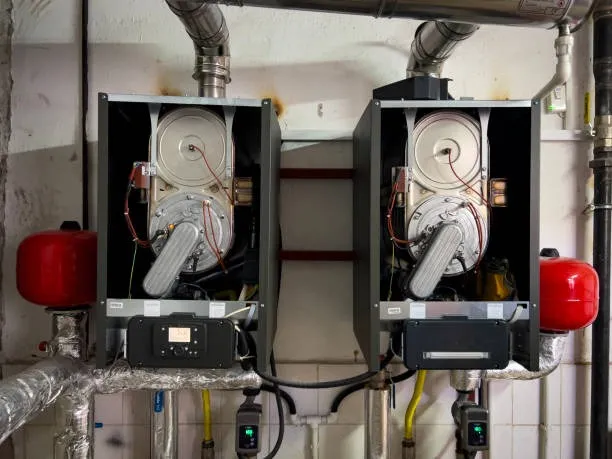
Common water heater problems in Arvada, CO
Homeowners in Arvada frequently see these issues, many amplified by the area’s hard water and seasonal temperature swings.
- No hot water or intermittent hot water
- Uneven water temperature or lukewarm output
- Visible leaks around the tank, fittings, or valves
- Pilot light, ignition, or electronic control failures on gas or electric models
- Loud banging, popping, or rumbling caused by sediment buildup
- Slow hot water recovery or frequent cycling
- High energy bills due to reduced efficiency
- Tripped breakers or electrical faults on electric heaters
Quick diagnostic steps technicians use
Technicians follow a logical, safety-first inspection to pinpoint causes without unnecessary parts replacement.
- Visual inspection and leak source check — tank, fittings, T&P valve, drain line
- Verify fuel and power — gas supply, pilot/ignition, breaker and element continuity
- Measure output temperature and thermostat settings
- Check for sediment — drain sample, listen for popping noises, inspect dip tube
- Test safety devices — temperature and pressure relief valve, gas valve operation, flame quality
- Evaluate anode rod condition and corrosion indicators
- For gas units, inspect venting and test for combustion and CO risk
These diagnostics usually reveal whether a simple part replacement, flush, or full tank replacement is required.
Typical repair solutions explained
Below are common fixes explained in plain language and what they address.
- Flushing and descaling: Removing accumulated sediment restores heat transfer and reduces noise and premature element failure. Essential in Arvada because of mineral-rich water.
- Replacing heating elements or thermostats (electric units): Faulty elements or control modules are common and typically quick repairs.
- Thermocouple, pilot assembly, or gas control valve replacement (gas units): If the pilot will not stay lit or the unit won’t ignite, these components are common culprits.
- Anode rod replacement: A worn anode accelerates tank corrosion. Replacing it extends tank life and is a low-cost preventive step.
- Fixing leaks at fittings or valves: Leaks from connections or the pressure relief valve can often be repaired without replacing the tank. Interior tank leaks usually require replacement.
- T&P valve replacement: If the valve is dripping or stuck, replacement restores safety compliance.
- Dip tube replacement: A broken dip tube can cause lukewarm water even when the heater is working.
- Control board or ignition module repairs for modern units: Electronic controls on newer systems may need repair or replacement when diagnostics point to faults.
- Full water heater replacement: Recommended when tanks are corroded, have interior leaks, or repairs exceed reasonable cost compared to a new unit.
Emergency repair availability and response times
Water heater failures can be urgent because of the risk of flooding, frozen lines in winter, or lack of hot water for sanitation. Emergency water heater repair options in Arvada usually include:
- Same-day service for urgent leaks and no-hot-water situations
- 24/7 emergency response available through many local service providers
- Typical emergency response windows range from 1 to 6 hours depending on time of day, weather, and technician availability
When a leak or suspected gas issue is present, shutting off the water and gas or power to the unit and isolating the area is a safe interim step until a technician arrives.
Parts and labor expectations
Understanding what to expect can help set realistic timelines and outcomes.
- Most common component repairs (elements, thermostats, valves, anode rod) can be completed in 1 to 3 hours.
- Complex repairs or control board replacements may take longer and sometimes require ordering parts, which can extend the timeline to 24 to 72 hours.
- Full replacements or upgrades generally require a day on site for removal and installation, plus any necessary plumbing adjustments.
- Labor rates vary by provider and complexity of the job; parts can range from inexpensive (anode rod, thermostats) to higher-cost items (gas control valves, control boards, new tanks).
- For gas units, certified technicians should perform repairs to maintain safety and code compliance.
Maintenance tips to prevent future failures
Regular maintenance is the most cost-effective way to maximize service life and efficiency in Arvada homes.
- Flush the tank at least once a year; if you have very hard water, consider doing this twice a year.
- Inspect and replace the sacrificial anode rod every 2 to 4 years, depending on wear.
- Test the temperature and pressure relief valve annually and replace if it leaks or sticks.
- Keep thermostat set at 120°F to reduce scald risk, control energy use, and slow sediment breakdown.
- Insulate exposed hot water pipes and the tank (if not already insulated) to reduce heat loss during cold months.
- Consider a whole-house water softener or point-of-entry filter to reduce mineral buildup in Arvada’s hard water.
- Schedule a professional inspection before winter to ensure venting, combustion, and freeze protection are in good condition for cold spells.
Warranty and guarantee considerations
Warranties and service guarantees protect your investment but have important conditions.
- Manufacturer warranties cover specific parts and tanks for defined periods; length and coverage vary by brand and model.
- Repairs performed by unauthorized technicians or using non-OEM parts can sometimes void manufacturer warranties. Using certified technicians and documented service helps preserve warranty coverage.
- Many service providers offer workmanship guarantees for repairs; request written terms that specify duration and what is covered.
- Keep records of routine maintenance, part replacements, and inspections; this documentation supports warranty claims and resale value.
When to consider replacement instead of repair
Replacement is often the best option when:
- The tank is older than 8 to 12 years (tankless units typically last longer)
- Multiple failures occur in quick succession
- The tank shows internal corrosion or leaks
- Repair cost approaches or exceeds the value of a new, more efficient unit
- You want improved energy efficiency or increased hot water capacity
Timely repair and proactive maintenance reduce the chance of emergency failure, lower energy bills, and extend the life of your system. In Arvada, addressing hard-water impacts and winter freeze risks is especially important for dependable hot water year-round.
Promotions
Save on seasonal system checks from a local team that treats your home like our own.

Testimonials
Neighbors trust Quality Heating & Air for honest work and fair pricing.