
Mini-Split Tune Up in Longmont, CO

Mini-Split Tune Up in Longmont, CO
A seasonal mini-split tune up in Longmont, CO keeps your ductless system running reliably through hot Front Range summers and the cold, dry winters. Proper maintenance addresses common wear points—filters, coils, refrigerant, electrical connections, and condensate drains—so your system delivers steady comfort, better efficiency, and fewer surprise breakdowns.
Why a mini-split tune up matters in Longmont
Longmont’s high altitude, wide temperature swings, seasonal pollen, and spring/summer dust increase strain on mini-split systems. Outdoor units are exposed to hail, blowing debris, and winter freezes, while indoor heads collect pollen, pet hair, and dust that reduce airflow. A professional tune up compensates for these local conditions by restoring airflow, ensuring proper refrigerant charge for altitude, and protecting electrical and condensate components from seasonal damage.
Common mini-split issues in Longmont homes
- Clogged or dirty filters reducing airflow and indoor comfort
- Frosting or ice on the outdoor unit during shoulder seasons due to incorrect refrigerant charge or airflow problems
- Low cooling or heating performance from leaky or undercharged refrigerant lines
- Intermittent or failed operation caused by loose electrical connections, worn capacitors, or failing sensors
- Clogged condensate drains causing overflow or water stains at indoor heads
- Noisy indoor or outdoor units from loose panels, unbalanced fans, or worn mounts
- Poor zoning performance or thermostat communication issues in multi-head systems
What a complete mini-split tune up includes
A comprehensive tune up follows a consistent checklist to evaluate safety, function, and efficiency. Core tasks include:
- Filter cleaning or replacement: Remove, inspect, and clean reusable filters; advise replacement when needed to restore airflow and IAQ.
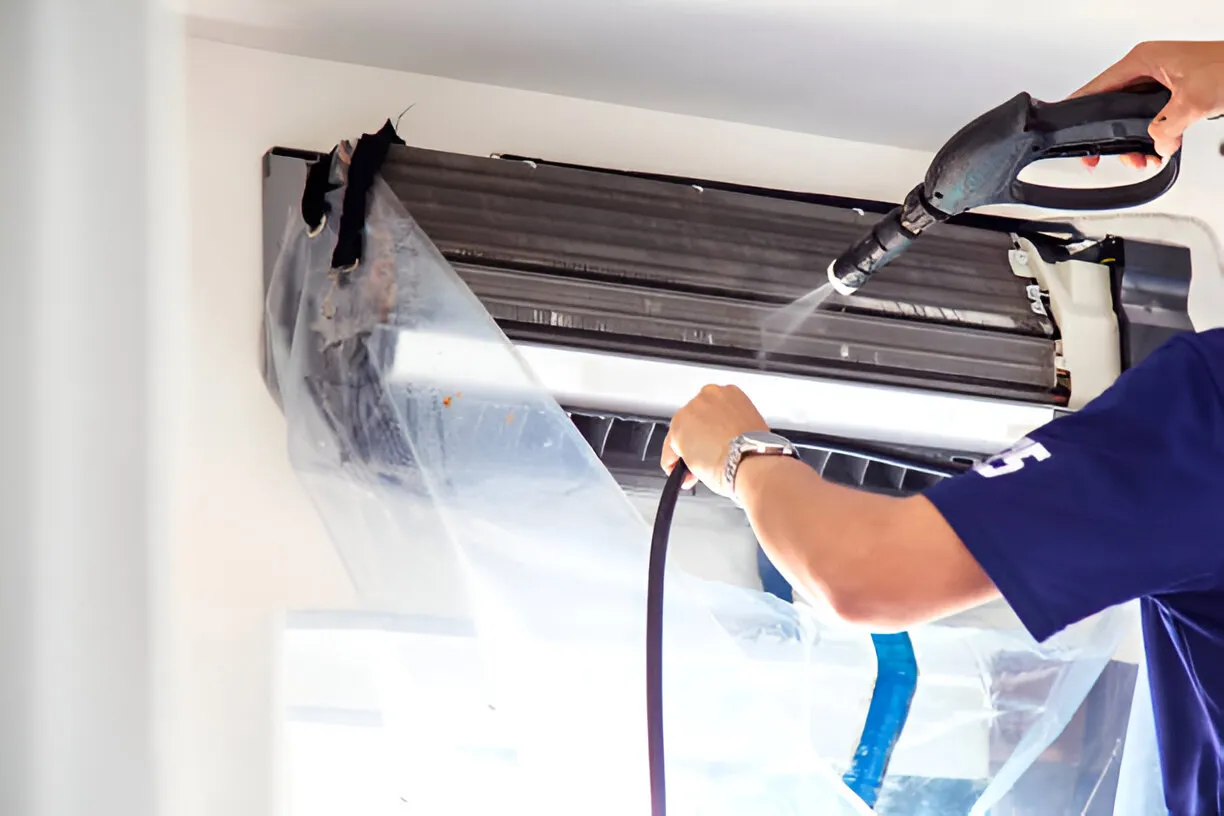
- Indoor coil and head cleaning: Vacuum and gently clean indoor evaporator coils and the air handler cabinet to remove dust and pollen buildup.
- Outdoor coil and condenser care: Clear debris, clean fins, and check for bent fins or damage from hail/debris that reduce heat transfer.
- Refrigerant check and leak inspection: Measure system pressures, check for signs of leaks, and verify proper refrigerant charge considering Longmont’s elevation.
- Electrical connections and components: Tighten terminals, test capacitors, contactors, and control boards; inspect wiring for wear or rodent damage.
- Condensate drain and pan cleaning: Clear clogs and flush the condensate drain line, inspect the pan for rust or damage to prevent water problems.
- Performance testing: Run the system in heating and cooling modes, measure temperature split and airflow, verify airflow at each indoor head, and confirm correct system cycling.
- Noise and vibration check: Inspect mounts, fan blades, and panels to reduce rattles and vibration that can lead to wear.
- Line set insulation and outdoor protection: Inspect insulation on refrigerant lines and recommend or apply repairs to minimize energy loss and freeze issues.
Diagnostic process — what the technician will do
- Start with a visual inspection of indoor heads, outdoor condenser, and line set routing.
- Verify electrical safety: power disconnects, fuses, and control communication integrity.
- Clean or service filters and accessible coil surfaces.
- Check refrigerant pressures, measure suction and discharge temperatures, and compare to expected values for altitude.
- Inspect and clear the condensate drain; test for proper drainage under load.
- Run performance tests: measure temperature drop across the coil, airflow at vents, and overall capacity in both heating and cooling modes.
- Identify potential failure points (weak capacitors, worn motors, damaged fins) and report recommended repairs or adjustments.
- Document findings and recommended maintenance frequency for each indoor head and outdoor unit.
Typical duration and factors affecting service time
A standard mini-split tune up typically takes about 60 to 90 minutes for a single indoor/outdoor pair. Factors that can extend that time include multiple indoor heads (multi-zone systems), heavily soiled coils or filters requiring deeper cleaning, refrigerant leak detection and repair, or electrical repairs that require parts. Planning seasonal tune ups before heavy-use months reduces the chance of extended repairs during peak demand.
Repairs and solutions commonly recommended after a tune up
- Replacing worn filters, capacitors, or fan motors that reduce reliability
- Repairing refrigerant leaks and restoring proper charge for consistent performance at elevation
- Cleaning or replacing damaged coils and straightening fins to improve heat transfer
- Securing or replacing electrical connections and control boards for safe operation
- Unclogging drain lines and replacing damaged drain pans to prevent water damage
- Insulating refrigerant lines and sealing exterior penetrations to prevent energy loss and freezing
Efficiency improvements and long-term benefits
A properly tuned mini-split runs more efficiently, which lowers energy use and reduces operating costs over time. Benefits include:
- Improved heating and cooling capacity so rooms reach setpoints faster
- Lower electric usage from reduced run times and correct refrigerant charge
- Extended equipment life by preventing strain from dirty coils and weak electrical components
- Better indoor air quality by keeping filters and coils clean of pollen and dust common in Longmont
- Reduced risk of mid-season failures during heat waves or cold snaps
Recommended tune-up frequency for Longmont, CO
- Best practice: twice yearly (spring and fall) to prepare for both cooling and heating seasons, especially in homes with high usage, pets, or allergy concerns.
- Minimum: once yearly for general preventative care if usage is moderate and indoor conditions are clean.
- Multi-head systems and homes near busy roads or open fields benefit from more frequent inspections due to higher dust and debris exposure.
Regular, professional mini-split tune ups tailored to Longmont’s climate protect comfort, curb energy waste, and reduce the likelihood of emergency repairs. A seasonal inspection ensures your ductless system performs reliably when you need it most and keeps maintenance needs predictable across the year.
Promotions
Save on seasonal system checks from a local team that treats your home like our own.

Testimonials
Neighbors trust Quality Heating & Air for honest work and fair pricing.