
Mini-Split Installation in Longmont, CO

Mini-Split Installation in Longmont, CO
Mini-split installation in Longmont, CO offers a versatile, energy-efficient alternative to traditional heating and cooling systems for homes that lack ductwork or need zoned comfort. In Longmont, with its hot, dry summers, significant summer solar gain, and cold, variable winters at higher elevation, ductless mini-splits provide precise temperature control, lower energy use, and targeted comfort for additions, basements, sunrooms, and whole-house applications.
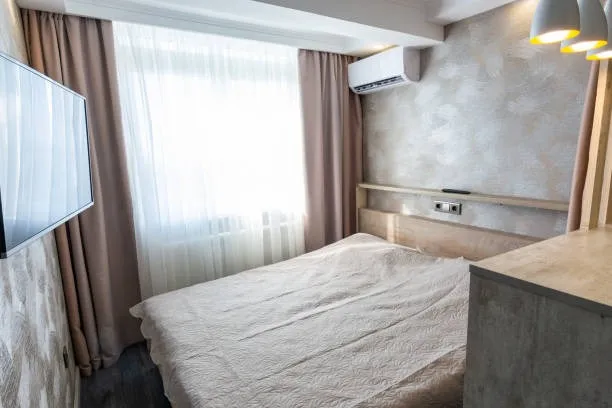
Why choose a ductless mini-split in Longmont
- Zoned comfort for rooms with different heating or cooling needs, such as second-story bedrooms or home offices.
- High seasonal efficiency with inverter-driven compressors that reduce energy use during shoulder seasons common to Colorado.
- Minimal disruption during installation because no ductwork is required.
- Improved indoor air quality by avoiding leaky or dusty ducts in older Longmont homes.
- Flexibility to heat or cool individual spaces without conditioning the entire house.
Common mini-split uses and issues in Longmont homes
Typical reasons homeowners in Longmont request mini-splits:
- Converting garages, bonus rooms, or basements into conditioned living space.
- Replacing window units or inefficient space heaters to cut energy bills.
- Adding zoned comfort in older homes where installing ducts is impractical.
- Supplemental heat in rooms distant from the primary furnace.
Common issues encountered during installations or with existing systems:
- Improper sizing for high solar gain rooms or west-facing spaces.
- Incorrect placement of indoor heads causing short cycling or uneven airflow.
- Line set routing and length problems in homes with complex layouts.
- Inadequate outdoor unit clearance in tight yards or snow-prone locations.
- Refrigerant charge not adjusted for elevation and line length, leading to performance loss.
Initial consultation and site assessment
A thorough consultation begins with a walk-through of your Longmont home and discussion of comfort goals. The site assessment includes:
- Measuring rooms and noting ceiling heights, insulation levels, window orientation, and solar exposure.
- Evaluating existing electrical capacity, breaker space, and potential upgrade needs.
- Identifying indoor head locations for optimal airflow and aesthetics.
- Checking outdoor unit placement for airflow, snow clearance, and neighborhood setbacks.
- Reviewing family usage patterns to recommend single-zone or multi-zone systems.
Technicians consider Longmont factors like summer solar load, cold night temperatures, and typical home construction when recommending equipment and settings.
System sizing and placement recommendations
Proper sizing is essential. Oversized or undersized mini-splits both reduce comfort and efficiency. Sizing recommendations account for:
- Heat loss and gain calculations per room, reflecting Longmont climate conditions.
- Insulation quality, window types, and orientation to the sun.
- Desired operating temperature ranges and typical occupancy.
Placement guidelines:
- Indoor heads mounted to maximize circulation and minimize direct drafts.
- Avoid placing heads directly above beds or seating areas unless using directional louvers.
- Outdoor condenser positioned on stable pad with at least recommended clearances from walls and landscaping, and elevated where snow build-up is possible.
Ductless layout planning for single- or multi-zone setups
- Single-zone: One outdoor unit paired with a single indoor head for isolated spaces like a bedroom or office.
- Multi-zone: One outdoor unit connected to multiple indoor heads for whole-home zoning. Multi-zone designs in Longmont often cluster heads to serve adjacent rooms while maintaining efficiency.
Layout planning balances aesthetics, refrigerant line length, condensate routing, and electrical runs. In multi-zone systems, plan for balanced load distribution and consider future expansion.
Step-by-step installation procedures
A professional installation typically follows these steps:
- Finalize equipment selection and obtain any required permits for Longmont/Boulder County.
- Install the indoor head bracket and create a small access hole for the line set and condensate.
- Mount the indoor head, secure the line set, and run routing into the outdoor area with protective conduit where required.
- Set the outdoor unit on a concrete or polymer pad, ensuring level placement and proper clearance for airflow and snow.
- Connect refrigerant lines, electrical, and condensate drain. Seal wall penetrations to prevent drafts and pests.
- Evacuate the refrigerant lines with a vacuum pump to remove air and moisture before opening the refrigerant valves.
- Complete refrigerant charging and electrical hookups following manufacturer specifications.
Technicians will use methods that keep disruption minimal and protect interior finishes.
Refrigerant charging and system commissioning
Refrigerant charging and commissioning are critical for performance, especially in Longmont where elevation can affect system behavior. Best practices include:
- Charging to manufacturer-specified superheat/subcooling values or using weight-based charging as required.
- Adjusting charge and controls for line length, elevation, and ambient operating conditions.
- Verifying correct airflow, operating pressures, and temperature split across the coil.
- Testing defrost cycles and heating mode performance for shoulder and winter temperatures.
Commissioning also includes configuring thermostats or remote controls and demonstrating system operation modes.
Post-installation testing and warranty handoff
After installation, technicians perform a final checklist:
- Measure airflow, electrical draw, and refrigerant pressures.
- Confirm condensate drains are functioning and routed properly away from the foundation.
- Inspect outdoor unit clearance and secure all fastenings.
- Provide a written summary of equipment, serial numbers, and warranty information.
- Review recommended maintenance tasks and operation tips for Longmont conditions.
Warranty and maintenance documentation should clearly state manufacturer coverage and any labor warranty from the installer.
Energy-efficient operation tips for Longmont households
- Use zoned settings to avoid conditioning unused rooms during cool spring/fall days.
- Set reasonable temperature differentials; small adjustments produce significant energy savings.
- Run ceiling fans in summer to reduce perceived temperature and reduce compressor load.
- Maintain 12 to 18 inches of clearance around outdoor units and remove snow promptly in winter.
- Schedule seasonal maintenance: clean filters monthly, and professional tune-ups annually before heavy use seasons.
- Use programmable or smart controllers to take advantage of setback and scheduling features common to inverter-driven systems.
Benefits and long-term value
A properly sized and installed mini-split provides reliable year-round comfort, lower operating costs, and improved home value for Longmont homeowners. The ductless approach eliminates losses associated with leaky ducts and offers flexible zoning that matches modern lifestyle needs. With attention to elevation-specific commissioning, correct placement, and routine maintenance, mini-splits deliver efficient heating and cooling tailored to Longmont climates and housing stock.
Promotions
Save on seasonal system checks from a local team that treats your home like our own.

Testimonials
Neighbors trust Quality Heating & Air for honest work and fair pricing.