
Mini-Split Repair in Longmont, CO
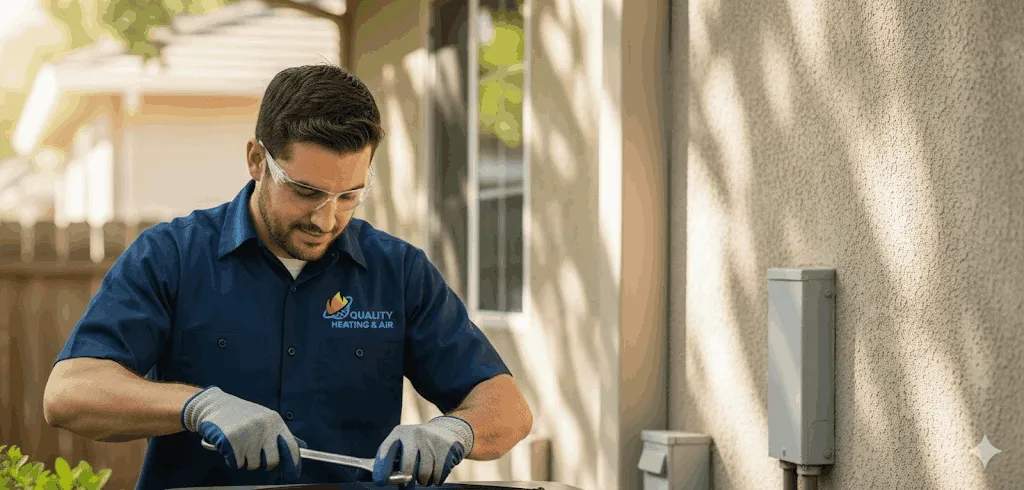
Mini-Split Repair in Longmont, CO
Mini-split systems are a popular, energy-efficient choice for Longmont homes — ideal for older houses without ductwork, room additions, and targeted comfort zones. When a ductless system fails, the result is lost comfort, higher energy bills, and potential equipment damage.
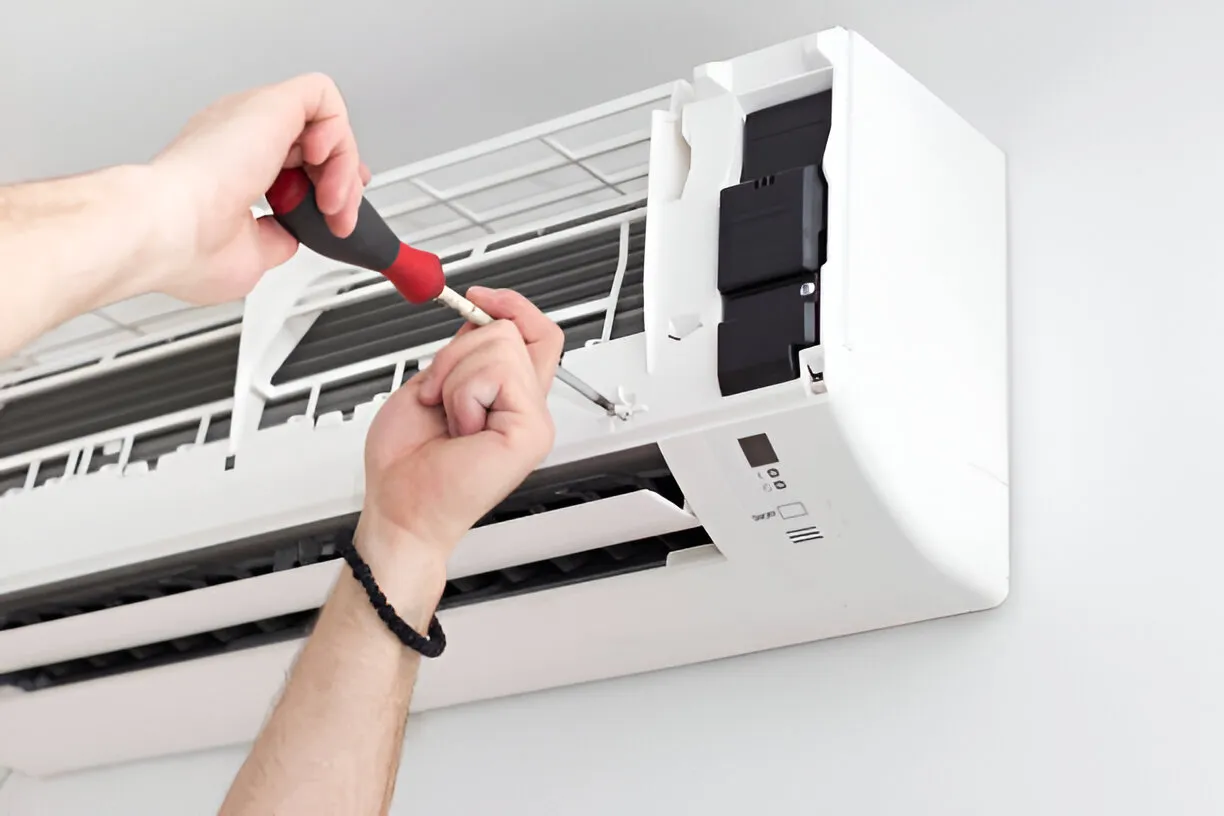
Why timely mini-split repair matters in Longmont
Longmont’s high-altitude, semi-arid climate brings hot summer days and cold winter nights, with significant temperature swings that stress HVAC equipment. Dust, pollen, and the occasional snowpack can clog filters and fan coils, while thin mountain air changes refrigerant pressures compared with sea-level systems. Prompt repair preserves system efficiency, prevents secondary damage (frozen coils, motor burnout, compressor failure), and keeps utility costs down.
Common mini-split issues in Longmont homes
- Compressor failures: Symptoms include no cooling or heating, loud humming or grinding noises, and repeated breaker trips. Compressors wear faster when systems run with low refrigerant or contaminated oil.
- Refrigerant leaks: Signs are reduced cooling output, frost on evaporator lines, and hissing sounds. Leaks are more frequent where outdoor units sit near landscaping or where lines pass through exterior walls.
- Electrical problems: Tripped breakers, blown fuses, faulty capacitors, or bad relays can stop a system entirely or cause intermittent operation.
- Thermostat or sensor issues: Inaccurate temperature reading, short cycling, or uneven room temperatures usually point to a bad indoor sensor or miscalibrated controller.
- Airflow restrictions and drainage: Dirty filters, blocked condensate drains, or bent fins reduce airflow, causing freeze-ups in winter and poor cooling in summer.
- Inverter and control board faults: Modern variable-speed units rely on electronics that can fail due to voltage spikes, moisture ingress, or component age.
Step-by-step diagnostic procedure
Diagnostics are performed to identify root causes and avoid unnecessary repairs. Typical steps include:
- Initial visual inspection: Check outdoor and indoor units for debris, physical damage, oil stains, or blocked airflow.
- Power and control checks: Verify voltage at the unit, inspect breakers, fuses, and remote/thermostat settings.
- Operational test: Run the system in heating and cooling modes to note sounds, temperature differential, cycle behavior, and error codes on the controller.
- Airflow measurement: Inspect and measure airflow across indoor cassettes or wall units; check filters and coils.
- Refrigerant evaluation: Measure operating pressures and superheat/subcooling to determine charge condition and possible leaks.
- Leak detection: Use electronic leak detectors or UV dye to locate refrigerant losses, paying close attention to joints and line sets.
- Electrical component testing: Check capacitors, contactors, transformer outputs, and control boards for proper operation.
- Compressor health check: Measure amp draw and insulation resistance to assess compressor condition and start-up behavior.
Diagnoses are explained in plain language with options and cost impacts before any parts are replaced.
Typical repair solutions and parts replacement
- Refrigerant leak repair and recharge: Locate and repair the leak, evacuate, vacuum test, and recharge to manufacturer-spec charge. Includes leak sealing at line connections and replacement of faulty service valves if needed.
- Compressor repair or replacement: If a compressor is failing, replacement may be required. Because compressors are matched to specific refrigerant and system design, this repair can be more involved and sometimes triggers evaluation for system replacement on older units.
- Inverter or PCB replacement: Control boards and inverter drives are replaced when diagnostics show electronic failure. These parts restore variable-speed operation.
- Fan motor and capacitor replacement: Outdoor or indoor fan motors and start/run capacitors are common, relatively quick fixes for cooling or airflow loss.
- Reversing valve or expansion device replacement: Repairs for heating/cooling mode problems or improper refrigerant flow.
- Drain and coil cleaning, filter replacement: Routine but effective solutions for airflow and drainage issues that prevent bigger problems.
Where replacement is advised, the technician will explain options: original manufacturer parts, OEM-equivalent components, and when full system replacement is more cost-effective.
Expected timelines and transparent pricing approach
- Diagnostic visit: Typically 45 to 90 minutes depending on complexity. A clear diagnostic report outlines problems and repair options.
- Minor repairs (filter, capacitor, motor, small leak repair): Often completed same day within 1 to 4 hours if parts are available.
- Major repairs (compressor or inverter replacement): Can take 4 to 8 hours or require scheduling for parts that may arrive next day. Refrigerant recovery and pressure testing add time.
- Pricing transparency: Expect an upfront diagnostic fee and a written estimate that separates parts and labor. Estimates explain whether pricing is flat-rate for a common repair or time-and-materials for complex diagnostics. All pricing details are provided before work begins to avoid surprises.
Emergency and same-day availability for Longmont residents
Longmont’s summer heat and winter cold can create urgent comfort and safety concerns. Emergency or same-day response is prioritized for systems that cause health risk (no heat during freeze, electrical burning smell, continuous tripping) or affect vulnerable occupants. Technicians assess safety hazards first and may provide temporary measures until repairs or parts are completed.
Warranty and service guarantees
- Manufacturer warranties: Compressors and major components often have multi-year manufacturer coverage. Warranty terms vary by brand and model.
- Parts and labor warranty: Repairs typically include a parts warranty and a limited labor guarantee. Keep service records and receipts to support claims.
- Warranty considerations: Improper refrigerant handling, DIY tampering, or skipped maintenance can void warranties. Authorized service documentation helps ensure coverage.
Preventive steps to reduce breakdowns
- Schedule annual maintenance before the cooling and heating seasons to check charge, clean coils, and verify controls.
- Replace or clean filters every 1 to 3 months depending on use and local dust levels.
- Keep outdoor units clear of snow, leaves, and landscaping; maintain at least 2 feet of clearance.
- Inspect line sets and insulation for wear where lines pass through exterior walls.
- Use the correct thermostat settings and avoid rapid setpoint changes that force short cycling.
- Consider surge protection for outdoor units to protect electronics from voltage spikes common in stormy conditions.
Timely, knowledgeable mini-split repair preserves system efficiency, protects components, and keeps Longmont homes comfortable year-round. Rapid diagnostics, clear estimates, appropriate parts, and seasonal maintenance reduce the chance of repeat failures and extend the life of your ductless system.
Promotions
Save on seasonal system checks from a local team that treats your home like our own.

Testimonials
Neighbors trust Quality Heating & Air for honest work and fair pricing.