
Mini-Split Replacement in Longmont, CO

Mini-Split Replacement in Longmont, CO
If your current ductless mini-split is aging, underperforming, or failing more often than it should, replacing it with a modern, properly sized system can restore comfort, cut utility bills, and improve indoor air quality in your Longmont home. Mini-split replacement in Longmont, CO takes into account the Front Range’s wide temperature swings, elevation effects, and seasonal air-quality concerns so the new system delivers reliable heating and cooling year-round.
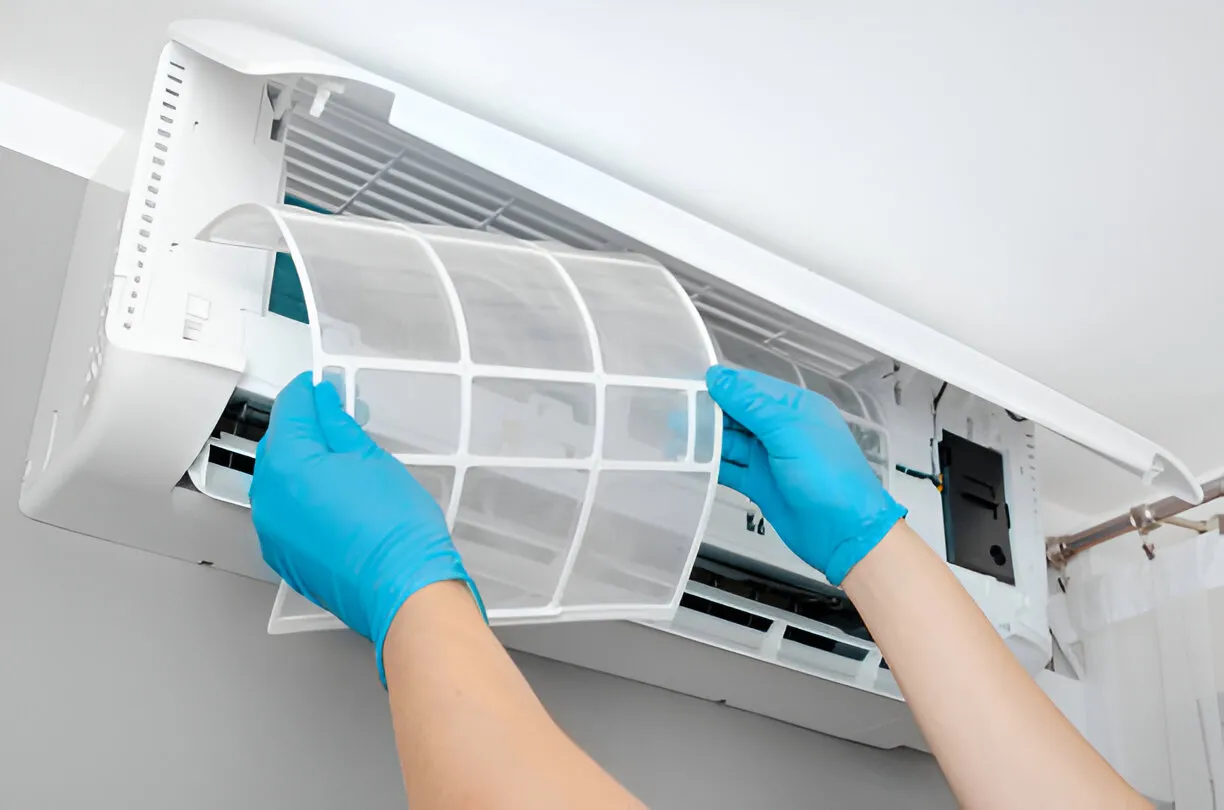
Why replace a mini-split? Common signs you need replacement
- Frequent breakdowns or costly repairs: Repeated compressor failures, electronics faults, or recurring refrigerant leaks indicate the system is near end of life.
- Declining efficiency: If energy bills rise despite normal use, the system may be losing capacity or operating inefficiently.
- Poor heating performance in winter: Older or non–cold-climate heat pumps often struggle during Longmont’s chilly nights; if indoor temps dip or the unit runs constantly, replacement is often smarter than repair.
- Noisy operation or excessive vibration: Worn fans, bearings, or mounting hardware reduce comfort and can be symptoms of irreversible wear.
- Obsolete refrigerant or parts scarcity: Older models using phased-out refrigerants or discontinued components are expensive to keep running and harder to service.
- Persistent IAQ issues: If allergens, fine dust, or smoke from wildfire seasons remain a problem despite regular cleaning, newer mini-splits with advanced filtration can help.
System evaluation and accurate sizing
A professional replacement starts with a full system evaluation and a load calculation. For Longmont homes this includes:
- Performing a Manual J load calculation to determine the heating and cooling capacity your home actually needs based on square footage, insulation, window area, orientation, and occupancy.
- Considering elevation and climate: Longmont’s higher elevation and dry air affect heat pump performance. Technicians factor outdoor temperature profiles and cold-climate performance curves (HSPF/SEER ratings and low-ambient operation) when selecting equipment.
- Assessing zoning needs: Multi-zone mini-splits let you size indoor heads for individual rooms, avoiding oversized or undersized units that cycle inefficiently or fail to maintain comfort.
Comparing energy-efficient models and brands
Modern mini-splits vary in efficiency, cold-climate capability, sound levels, and control features. Key considerations for Longmont include:
- Cold-climate heat pumps: Look for models rated for efficient heating at low outdoor temps; these retain capacity and defrost intelligently in winter.
- High SEER and HSPF ratings: Higher seasonal efficiency ratings translate to lower operating costs over time, particularly important with Front Range summer cooling and winter heating needs.
- Brand reliability and parts support: Established manufacturers with local dealer networks help ensure quick service and parts availability. Common, reputable brands to consider include Daikin, Mitsubishi, Fujitsu, Carrier, Trane, and Lennox.
- Advanced controls and connectivity: Wi‑Fi thermostat integration, occupancy sensors, and multi-zone scheduling can improve comfort and reduce wasted energy.
- Filtration and IAQ features: Models with multi-stage filtration, ionization, or washable high-efficiency filters help reduce smoke and pollen—important during Colorado wildfire season.
Safe removal of old equipment
Replacement includes responsible removal and disposal of your old mini-split:
- Technicians recover refrigerant to EPA standards before disconnecting lines to prevent environmental release.
- Indoor and outdoor units are detached, old line sets and electrical wiring evaluated, and any obsolete mounting hardware removed.
- Disposal follows local regulations for refrigerants and electronic waste; salvageable components are recycled when possible.
Professional installation process
A proper installation maximizes efficiency and longevity:
- Finalize equipment selection and confirm load calculations and zoning plan.
- Prepare mounting locations—secure outdoor condenser pad/riser and indoor head placement for airflow and aesthetics.
- Run new or reuse line sets as appropriate, ensuring proper insulation, correct refrigerant charge, and minimized line lengths for efficiency.
- Install electrical disconnects, breakers, and surge protection per code.
- Evacuate the refrigerant circuit to remove moisture and verify vacuum level before charging.
- Commission the system: verify pressures, airflow, temperature differentials, and control operation. Provide homeowner orientation on controls, maintenance access, and seasonal operation tips.
- Document settings and provide warranty registration information.
Warranty and financing considerations
- New mini-splits typically include manufacturer warranties on compressors and parts; installers often provide a workmanship warranty for labor. Confirm the term lengths and what is covered for both parts and labor.
- Many homeowners take advantage of third-party financing or dealer financing to spread the upfront investment over time. Financing options vary by installer and manufacturer, and may include promotional terms through third-party lenders.
- Utility rebates and state incentives can sometimes offset replacement costs. It’s wise to check current Colorado and local utility programs for eligible energy-efficiency rebates or incentives when choosing equipment.
Expected costs and long-term savings (qualitative)
Replacing a mini-split is an upfront investment that typically results in:
- Lower operating costs due to higher seasonal efficiency and smarter controls.
- Reduced repair frequency and downtime compared with an older, failing unit.
- Improved comfort and better indoor air quality, especially during wildfire smoke events.
- Over the system’s life, energy savings and reduced maintenance often offset the initial investment, but the break-even timeline depends on current energy prices, usage patterns, and available incentives.
Selecting the right capacity and features for Longmont homes
- Size to the calculated load rather than room size alone. Oversized units short-cycle, while undersized units run constantly and wear prematurely.
- Choose cold-climate models with reliable low-temperature performance for Longmont’s winter lows. Look for models with robust defrost strategies and proven low-ambient heating capacity.
- Prioritize features that match local needs: multi-stage filtration for wildfire smoke, integrated zoning for efficient control of occupied spaces, and whisper-quiet indoor units for bedrooms.
- Consider integrated thermostatic controls or sensors that allow setback schedules and remote management for energy savings when no one is home.
Ongoing benefits and maintenance guidance
A correctly sized and installed replacement mini-split delivers consistent comfort, increased energy efficiency, and better indoor air quality for years. To preserve performance:
- Schedule annual or biannual inspections and tune-ups focusing on refrigerant charge, electrical connections, drainage, and filter condition.
- Replace or clean filters regularly—especially during fire season and spring pollen—to maintain airflow and IAQ.
- Keep outdoor units clear of debris, snow, and vegetation to ensure unobstructed airflow.
- Monitor system performance and document unusual noises, runtime patterns, or comfort issues to address problems early.
Selecting the right replacement mini-split for your Longmont home means balancing capacity, cold-climate performance, filtration, and controls with long-term efficiency and reliability. A careful evaluation, accurate load calculations, and professional installation ensure the new system meets the seasonal demands of the Front Range while delivering dependable comfort and energy savings.
Promotions
Save on seasonal system checks from a local team that treats your home like our own.

Testimonials
Neighbors trust Quality Heating & Air for honest work and fair pricing.