
Mini-Split Tune Up in Denver, CO

Mini-Split Tune Up in Denver, CO
Keeping a mini-split system tuned and inspected regularly preserves comfort, reduces energy costs, and prevents unexpected breakdowns. For Denver homes, where high altitude, seasonal temperature swings, seasonal dust and pollen, and occasional wildfire smoke increase strain on ductless systems, a professional Mini-Split Tune Up in Denver, CO is especially valuable.
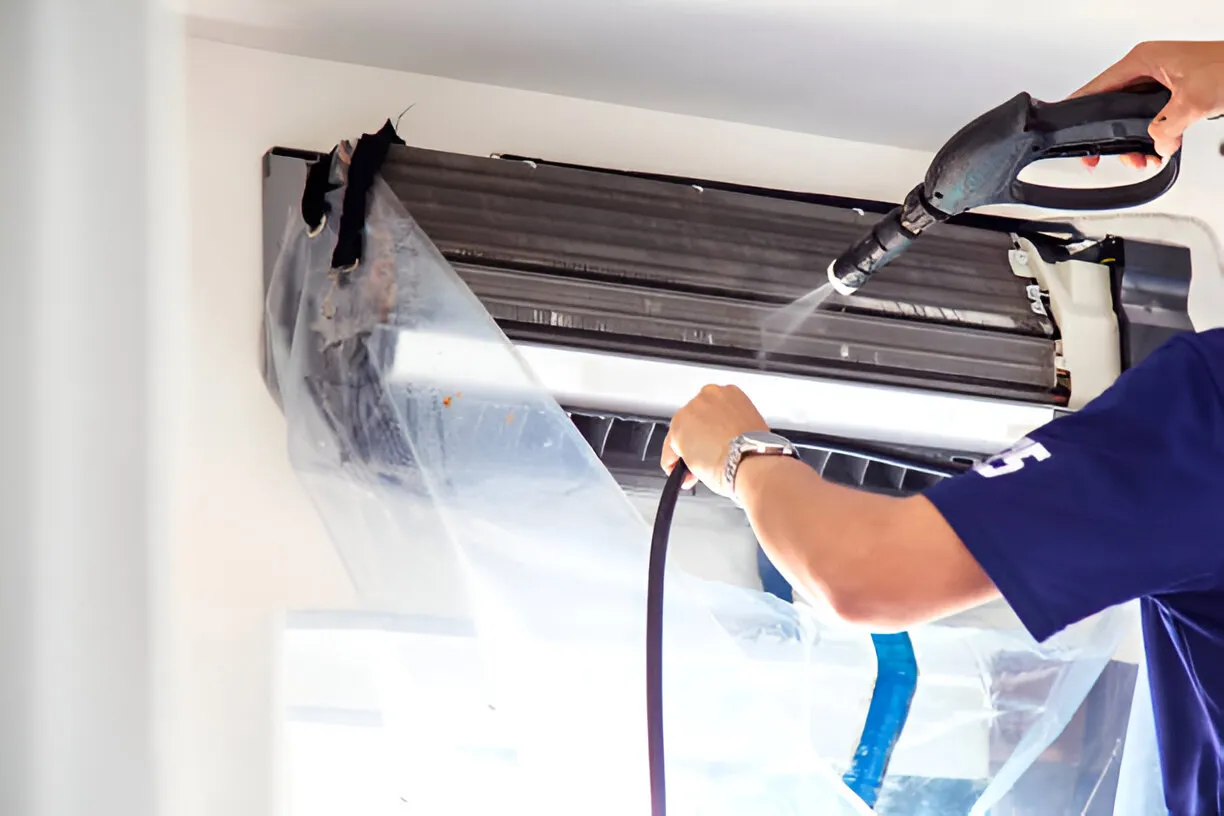
What a comprehensive mini-split tune up covers
A thorough mini-split tune up addresses key wear points and verifies system performance. Typical tasks included in a full tune-up package:
- Clean and inspect filters: Remove, vacuum, and wash washable filters; replace disposable filters as needed to restore airflow and indoor air quality.
- Clean indoor and outdoor coils: Remove dust and grime that reduce heat transfer and system efficiency.
- Check and clear condensate/drain lines: Ensure proper drainage to prevent leaks and microbial growth.
- Verify refrigerant pressures: Measure suction and discharge pressures and compare to manufacturer specifications; account for Denver altitude and ambient conditions when evaluating charge.
- Inspect electrical components: Tighten connections, check capacitors, contactors, fuses, and wiring for wear or overheating.
- Lubricate moving parts: Where applicable, lubricate fan motors and bearings to reduce noise and friction.
- Test system performance: Run the unit through a cooling and heating cycle (if heat pump) to confirm temperature split, airflow, and compressor operation.
- Thermostat and control check: Verify remote controls, thermostats, and communication between indoor heads and the outdoor compressor.
- Safety and operational checks: Confirm proper defrost function on heat pump models, check for refrigerant leaks, and verify system error codes are cleared.
Common mini-split issues in Denver homes
Denver’s environment produces predictable maintenance issues that a tune up can prevent:
- Clogged filters and reduced airflow from pollen, high desert dust, and wildfire smoke.
- Reduced efficiency from dirty coils caused by frequent heating and cooling cycles.
- Refrigerant imbalance or slow leaks that show as weak cooling or heating at higher elevations.
- Frozen outdoor units in transitional weather when defrost cycles fail.
- Electrical component wear from frequent cycling during hot summer days and cold snaps.
- Drain line clogs and water leaks following heavy indoor humidity or infrequent use.
Symptoms that indicate you need a tune up now
If you notice any of the following, schedule a professional inspection sooner rather than later:
- Warmer or cooler-than-expected rooms
- Unusual noises from indoor heads or outdoor compressor
- Increased energy bills without a change in usage
- Visible frost or ice on the outdoor unit
- Water leakage around indoor units or drip pans
- Frequent short cycling or error code displays
Expected duration and what affects service time
A standard single-zone mini-split tune up typically takes 45 to 75 minutes. Multi-zone systems or older units may require 75 to 120 minutes depending on:
- Number of indoor heads
- Access to outdoor unit and indoor cassettes
- Condition of filters and coils (heavily soiled components take longer)
- Any diagnostic work needed for electrical or refrigerant issues
Technicians will provide a clear outline of the scope of work for the scheduled visit and note any recommended repairs or parts replacement discovered during the tune up.
Benefits of a regular mini-split tune up
Regular maintenance provides measurable performance and reliability improvements:
- Improved energy efficiency: Clean coils and correct refrigerant charge reduce run time and energy draw.
- Lower risk of breakdowns: Identifying worn electrical parts or weak compressors prevents bigger failures during peak seasons.
- Longer system life: Routine lubrication and maintenance reduce wear on motors and moving components.
- Better comfort and indoor air quality: Clean filters, proper airflow, and a functioning drain system reduce allergens and humidity issues.
- Quieter operation: Tightened fasteners and lubricated fans cut noise from rattles and grinding.
- Safer operation: Electrical inspections lower fire risk and ensure safe operation.
Recommended timing for Denver
- Spring (March to May): Ideal for cooling-only systems and for verifying operation after extended winter downtime. Schedule before the first major heat wave to avoid peak-season delays.
- Fall (September to November): Important for heat pump mini-splits to ensure reliable heating performance before cold snaps.
- High-dust or wildfire season: If you experience heavy pollen or smoke events, an extra filter check and cleaning after the season can be beneficial.
- Frequency recommendation: At minimum, an annual tune up; consider twice yearly for multi-zone systems or homes in high-dust locations.
Technician approach and Denver-specific considerations
Experienced technicians will account for local conditions when performing a Mini-Split Tune Up in Denver, CO:
- Adjust interpretation of refrigerant pressure readings for Denver’s high-altitude environment.
- Inspect for dust accumulation patterns common to Front Range homes and evaluate filter type suitability.
- Verify defrost and reverse cycle operation on heat pump mini-splits for cold but sunny Denver winters.
- Recommend filter upgrades or additional indoor air quality measures if wildfire smoke or seasonal allergies are a concern.
Homeowner preparation and expectations for the visit
Preparing your home helps the tune up go smoothly:
- Clear access to indoor units and outdoor condenser.
- Ensure pets are secured and children are away from work areas.
- Note any symptoms you have observed, including when they occur, to help with diagnosis.
- Expect the technician to provide a brief written summary of findings and any recommended follow-up repairs.
Maintenance tips between professional tune ups
- Check and clean washable filters monthly during heavy-use seasons.
- Keep outdoor units free of debris, snow, and plant growth.
- Run the system for short periods in both modes at least monthly in shoulder seasons to exercise components.
- Replace disposable filters per manufacturer recommendations or sooner during smoke/pollen events.
A professional Mini-Split Tune Up in Denver, CO protects comfort, improves performance, and reduces the chance of expensive emergency repairs. Regular maintenance tuned to Denver’s climate keeps ductless systems operating where they are most valued: delivering efficient, zoned heating and cooling suited to local needs.
Promotions
Save on seasonal system checks from a local team that treats your home like our own.

Testimonials
Neighbors trust Quality Heating & Air for honest work and fair pricing.