
Mini-Split Repair in Denver, CO
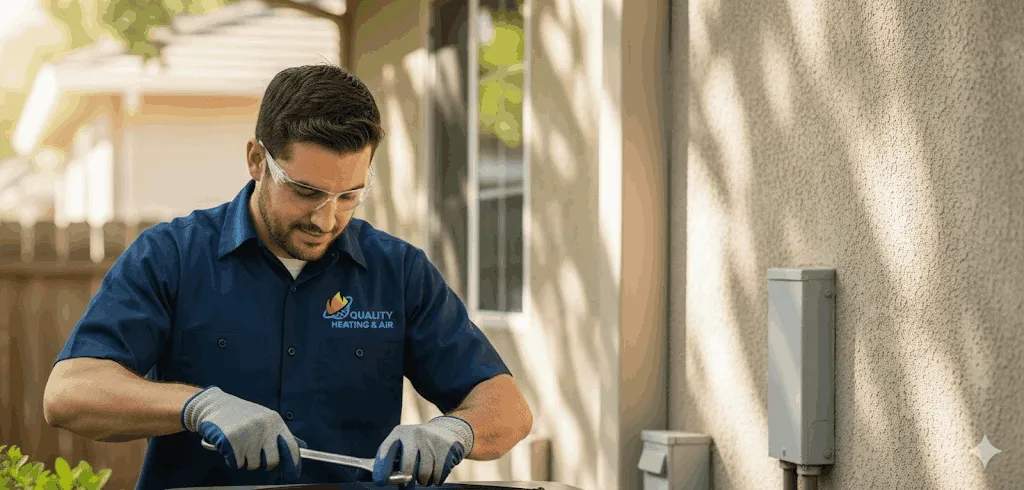
Mini-Split Repair in Denver, CO
Mini-split systems are a popular, energy-efficient way to heat and cool Denver homes, but like any HVAC equipment they can fail or lose efficiency over time. If your ductless unit is underperforming, making noise, or showing signs of refrigerant issues, timely professional mini-split repair in Denver, CO preserves comfort, prevents bigger breakdowns, and protects your investment. Below is a clear, expert guide to common symptoms, diagnostic steps, typical repairs and parts, expected timelines, cost factors (non-dollar guidance), technician qualifications, warranty considerations, and what to do in an emergency — all tailored to local conditions in the Denver area.
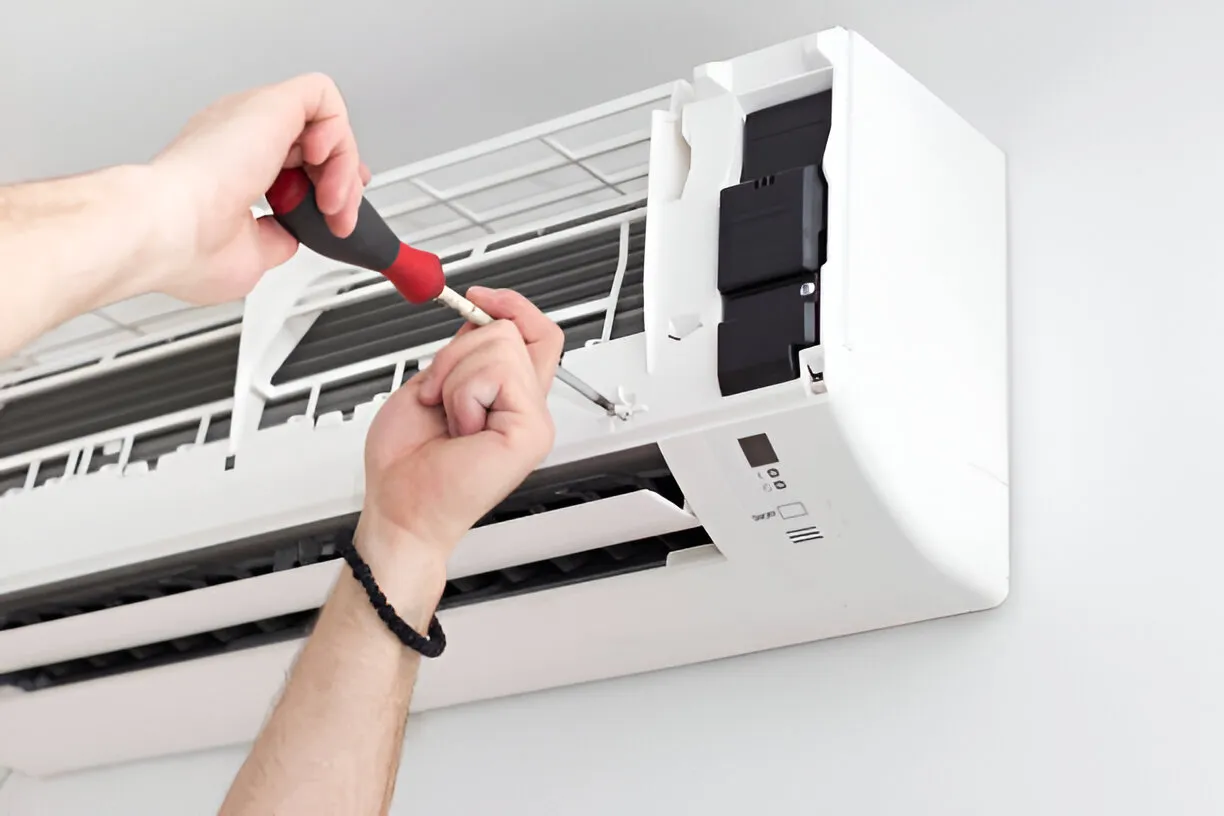
Why Denver conditions matter
Denver’s high altitude, large daily temperature swings, and dry, dusty environment affect mini-splits. Thin air slightly changes load calculations and refrigerant behavior, while dust, pollen, and spring/summer wildfire smoke increase filter clogging and coil fouling. Cold winter temperatures and freeze/thaw cycles can stress condensate drains, line sets, and outdoor unit components. These local factors make timely diagnostics and maintenance especially important for reliable year-round performance.
Common mini-split failure symptoms in Denver homes
- Loss of cooling or heating: Unit runs but won’t reach setpoint, or indoor temperatures are inconsistent.
- Reduced airflow: Weak blow from the wall-mounted head or multiple heads underperforming.
- Unusual noises: Rattling, grinding, high-pitched squeals, or gurgling from indoor or outdoor components.
- Refrigerant leaks or visible oil: Icing on lines, hissing sounds, or oily residues near connections.
- Frequent cycling or short-cycling: System turns on and off rapidly, often indicating control, compressor, or refrigerant problems.
- Electrical issues: Tripped breakers, blown fuses, or the unit won’t power up.
- Drainage problems and water indoors: Condensate backing up, stains, or dripping from indoor units.
- Error codes or remote-control failures: Displayed fault codes or unresponsive controls indicating sensor, PCB, or communication faults.
Diagnostic procedures professionals use
- Visual inspection: Check indoor heads, outdoor unit, line sets, electrical connections, filters, and drain lines for obvious issues.
- Electrical checks: Verify supply voltage, check fuses/breakers, test contactors and capacitors, and inspect the unit’s control board for burned traces or failed relays.
- Refrigerant pressure testing: Measure system pressures against manufacturer specifications to identify undercharge, overcharge, or restriction. Refrigerant work requires EPA 608-certified technicians.
- Compressor and motor evaluation: Assess start/run current and look for signs of mechanical failure or overheating.
- PCB and sensor testing: Read error codes, check thermistor resistances, and test communication between indoor and outdoor PCBs.
- Airflow and coil diagnostics: Measure temperature split and airflow across the evaporator to spot blockages, coil fouling, or fan motor problems.
- Leak detection: Electronic leak detectors, UV dye, or soap testing used to locate refrigerant leaks on fittings, brazes, or coils.
Typical repairs and parts replacement
- Refrigerant recovery and recharge: After repairing leaks, systems are evacuated and recharged to proper levels. Note: proper recovery and charging must follow manufacturer specs and local regulations.
- Leak repair and line-set replacement: Brazing new fittings, replacing corroded line sections, or swapping full line sets when degradation is extensive.
- Compressor repair or replacement: Replacing failed compressors or replacing outdoor units when compressor failure is irreversible.
- PCB (control board) replacement: When diagnostics show failed controllers, these are swapped and reprogrammed.
- Fan motors and blower assemblies: Indoor or outdoor fan motors are common replacements for noisy or non-spinning units.
- Capacitors and contactors: Start/run capacitors and contactors wear out and are commonly replaced to restore proper motor operation.
- Thermistors and sensors: Replace faulty temperature sensors that cause poor temperature control or false fault codes.
- Drain line and condensate pan repairs: Clear clogs, replace pans, and re-route drains to prevent indoor leakage.
- Filter and coil cleaning: Professional cleaning restores airflow and efficiency; sometimes coil repairs are needed for physical damage.
Expected timelines and cost guidelines (non-dollar)
- Diagnostic visit: Typically 30 to 90 minutes depending on number of indoor heads and complexity. A thorough inspection identifies root causes and recommended repairs.
- Minor repairs (electrical component swaps, filter/coil cleaning, sensor replacement): Often completed the same day or within one visit.
- Moderate repairs (capacitator/contactors, motor replacements, targeted line repairs): Usually 1 to 2 days, accounting for parts procurement and testing.
- Major repairs or replacements (compressor failure, extensive line-set replacement, outdoor unit swap): Can take several days to a week depending on parts lead times and permitting/logistics.
- Cost factors that influence repair scope: system age and warranty status, brand and model availability, accessibility of indoor heads and outdoor unit, extent of refrigerant leakage or compressor damage, and whether multiple indoor units are affected. In Denver, accessibility issues in multi-story homes and the need for certified refrigerant handling add to service complexity.
Technician qualifications and warranty information
- Technician qualifications to expect: EPA 608 certification for refrigerant handling, industry certifications such as NATE or manufacturer-specific training (Daikin, Mitsubishi, etc.), and documented experience with ductless systems. Technicians should be insured and familiar with local code requirements and high-altitude refrigerant implications.
- Warranty considerations: Many mini-split components carry manufacturer parts warranties and some installers offer workmanship warranties. After repairs, request documentation of replaced parts, serial numbers, and any remaining manufacturer coverage. Keep records for future service or warranty claims.
Emergency service and scheduling instructions
- Immediate steps for unsafe or damaging failures: If you smell burning, see smoke, or detect refrigerant fumes, turn off power to the unit at the breaker and evacuate the area until the scene is safe. For water intrusion from condensate backups, shut off indoor heads to prevent further water damage and place containers to catch drips. Do not attempt to repair refrigerant leaks or electrical faults yourself.
- What to have ready when requesting service: Unit brand and model numbers, a clear description of symptoms and when they began, any error codes displayed, and whether multiple indoor heads are affected. Note recent events (power outages, storms, renovations) that may relate. Clear access to indoor heads and the outdoor unit helps shorten diagnostic time.
- Booking expectations: Ask for a diagnostic appointment slot, and if the situation threatens safety or causes major comfort loss, request priority or emergency assessment. Expect the technician to perform on-site testing, explain findings in plain language, and provide repair options and timelines.
Maintenance and longer-term benefits
Proactive maintenance—seasonal filter changes, periodic coil cleaning, and annual professional inspections—reduces emergency repairs and extends the life of mini-splits in Denver’s climate. Well-maintained systems run more efficiently, deliver more consistent comfort in both hot summers and cold Denver winters, and can qualify for local energy-efficiency incentives or rebates. Regular attention preserves indoor air quality and minimizes the risk of refrigerant leaks or compressor failure.
This guide outlines what to expect for professional mini-split repair in Denver, CO. Proper diagnostics, certified refrigerant handling, and repairs matched to the root cause are key to restoring performance and avoiding repeat issues in the region’s unique climate.
Promotions
Save on seasonal system checks from a local team that treats your home like our own.

Testimonials
Neighbors trust Quality Heating & Air for honest work and fair pricing.