
Mini-Split Service in Broomfield, CO

Mini-Split Service in Broomfield, CO
Mini-split systems are an increasingly popular choice for Broomfield homes that need efficient, zoned heating and cooling without ductwork. Whether you’re adding comfort to a finished basement, converting an older house without ducts, or replacing an aging heat pump, a properly specified and maintained mini-split delivers quieter operation, precise temperature control, and improved energy efficiency — all important in Colorado’s wide temperature swings and high-elevation climate.
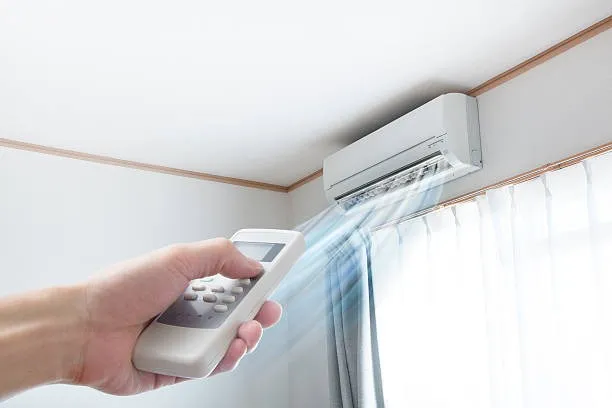
Common mini-split needs in Broomfield homes
- Installation of single-zone or multi-zone ductless systems for rooms, additions, garages, or whole-home solutions.
- Repair of refrigerant leaks, failed compressors or inverter components, electrical faults, sensor issues, and drainage problems.
- Replacement when older systems lose efficiency or parts become unreliable, with upgrades to modern variable-speed inverter units rated for low-temperature performance.
- Maintenance and tune-ups to preserve efficiency, extend equipment life, and avoid midseason failures.
- Diagnostics and optimization to ensure correct refrigerant charge, airflow, and control settings for Colorado’s dry air and elevation.
Why mini-splits are a good fit for Broomfield, CO
Broomfield’s climate includes hot summer afternoons and cold, dry winters. Mini-splits:
- Provide efficient heating and cooling without duct losses common in older homes.
- Offer precise zoning so you only condition occupied rooms, which reduces energy use at higher elevations where heating demand can rise.
- Use modern inverter compressors that maintain performance in colder outdoor temperatures — important for Colorado winters.
- Integrate with upgraded indoor filtration and IAQ accessories to address summer wildfire smoke and seasonal allergens.
Typical diagnostic process
A thorough diagnostic is the foundation of reliable repairs and optimized performance:
- Visual inspection of indoor and outdoor units for physical damage, debris, and obstruction.
- Electrical check of fuses, contactors, capacitors, and control boards for wear or failure.
- Refrigerant system evaluation including pressure readings, leak detection, and verification of proper charge.
- Airflow assessment and static pressure checks through indoor heads to confirm proper fan operation and ductless airflow patterns.
- Thermostat and sensor verification to ensure accurate temperature reporting and control responses.
- Condensate drainage check to prevent water damage from clogged lines or pans.
- Performance testing under load to confirm heating and cooling output and defrost operation in cold conditions.
Common problems and practical solutions
- Low cooling/heating output — Often caused by improper refrigerant charge, dirty coils, or blocked airflow. Solution: pressure test, recharge if needed, clean coils and filters, and restore unobstructed airflow.
- Refrigerant leaks — Require leak location, repair or component replacement, and correct refrigerant recharge. All repairs should follow environmental regulations and manufacturer specifications.
- Electrical failures — Faulty capacitors, relays, or inverter boards present as intermittent operation or complete shutdown. Solution: component testing and replacement with OEM-equivalent parts.
- Drainage and mold risk — Clogged condensate lines or pans can cause water leaks and indoor microbial growth. Solution: clear lines, clean pans, and confirm proper slope and condensate pump operation where applicable.
- Reduced low-temperature heating — Some units not rated for low outdoor temps struggle in winter. Solution: install a low-ambient rated heat pump or configure supplemental heat for peak cold snaps.
Installation and replacement considerations
- Right-sizing is critical. A Manual J load calculation considering insulation, window area, sun exposure, and Broomfield elevation ensures correct capacity and avoids short-cycling or undersizing.
- Single-zone vs multi-zone: Single-zone heads are economical for isolated rooms; multi-zone systems connect several indoor heads to one outdoor compressor for whole-home or multi-room zoning.
- Low-ambient capability: Choose units designed for efficient heating at subfreezing outdoor temperatures common in Colorado winters.
- Placement: Indoor heads should be placed for balanced airflow and minimal drafts; outdoor units need clear airflow, elevation considerations for snow, and protection from debris.
- Controls and zoning: Advanced thermostats, occupancy sensors, and app-based controls improve comfort while maximizing efficiency.
Equipment options and brands
Reputable brands commonly used for mini-splits include Daikin, Mitsubishi Electric, Fujitsu, Carrier, Trane, Lennox, and others. Key differentiators to consider:
- Daikin and Mitsubishi: Leaders in compressor technology and cold-climate performance.
- Fujitsu: Known for reliable residential models and compact indoor heads.
- Carrier, Trane, Lennox: Offer broader HVAC product lines, dealer networks, and integrated warranties.Look for ENERGY STAR ratings, variable-speed inverter compressors, low-temperature heating capability, and manufacturer support for parts and service.
Maintenance and seasonal optimization
Regular maintenance keeps mini-splits efficient and dependable:
- Clean or replace indoor filters every 1–3 months depending on use and indoor air quality.
- Schedule professional tune-ups at least twice a year: a pre-summer cooling check and a pre-winter heating inspection.
- Keep outdoor units free of snow, ice, and leaves; maintain 12–24 inches of clearance for airflow.
- Inspect and clear condensate lines and check drain pans to prevent water issues.
- Confirm firmware and control settings are up to date for seasonal scheduling and energy-saving modes.
Service response expectations in Broomfield
For non-emergency work, typical scheduling windows are within 24 to 48 hours depending on season and demand. Emergency responses for complete system failures or safety concerns are often prioritized for same-day attention when available. During peak summer or winter seasons, lead times can increase, which is why preventive maintenance before extreme weather is recommended.
Benefits of timely service and proper system selection
Timely diagnostics, professional installation, and routine maintenance deliver measurable benefits:
- Lower energy consumption and more consistent comfort through proper sizing and inverter technology.
- Longer equipment life and fewer unexpected breakdowns.
- Improved indoor air quality when paired with enhanced filtration and IAQ accessories.
- Precise zoning for individual comfort preferences and cost savings in multi-occupant homes.
Mini-split systems are a flexible, efficient solution for many Broomfield homes, but their long-term performance depends on correct system selection, expert installation, and predictable maintenance. Thoughtful diagnostics and winter-ready equipment choices ensure reliable heating and cooling through Colorado’s varied seasons.
Promotions
Save on seasonal system checks from a local team that treats your home like our own.

Testimonials
Neighbors trust Quality Heating & Air for honest work and fair pricing.