
Mini-Split Repair in Broomfield, CO

Mini-Split Repair in Broomfield, CO
Mini-split systems are a popular choice in Broomfield, CO for targeted heating and cooling, energy savings, and flexible installation in homes, townhomes, and condos. When a ductless unit stops performing, it affects comfort and efficiency fast.
Why timely mini-split repair matters in Broomfield
Broomfield’s climate includes hot summer afternoons and cold, dry winters at elevation. Mini-splits are often used as primary climate control for additions, garage conversions, or zoned comfort. Problems left unaddressed can lead to higher energy bills, frozen coils in winter, or compressor damage in summer peak loads. Prompt, expert repairs restore comfort and prevent more costly failures later.
Common mini-split repair issues in Broomfield, CO
- Refrigerant leaks
Signs: Loss of cooling or heating capacity, ice on the evaporator coil, or hissing sounds. Colorado’s temperature swings can make leaks more noticeable when systems work harder. - Compressor failures
Signs: Unit not starting, loud clanking noises, or short cycling. Compressors can fail after long run times during heat waves or from running with low refrigerant. - Fan motor and blower problems
Signs: Weak airflow, rattling, or no air from indoor/outdoor fans. Dust, pollen, and seasonal debris common in dry climates can accelerate wear. - Electrical faults
Signs: Tripped breakers, intermittent operation, or system resets. High elevation and power fluctuations can reveal failing capacitors, relays, or control boards. - Control and thermostat faults
Signs: Incorrect temperature readouts, unresponsive remote controls, or communication errors between indoor and outdoor units. - Airflow and drainage problems
Signs: Poor room circulation, water pooling, or condensate drain blockages. Winter freeze-thaw and seasonal debris can cause clogs and secondary water damage.
Diagnostic procedures — what to expect
Technicians follow a methodical diagnostic process to find the root cause, not just symptoms:
- Visual inspection of indoor and outdoor units for physical damage, ice buildup, debris, and wiring condition.
- System startup and operation check to observe sounds, pressures, and cycle behavior.
- Electrical testing using multimeters to verify voltage, current draw, capacitors, and safety devices.
- Refrigerant pressure check to detect leaks and measure charge against manufacturer specifications. Leak detection tools and dye or electronic sniffer testing may be used.
- Control and communication tests to verify thermostat signals and board diagnostics.
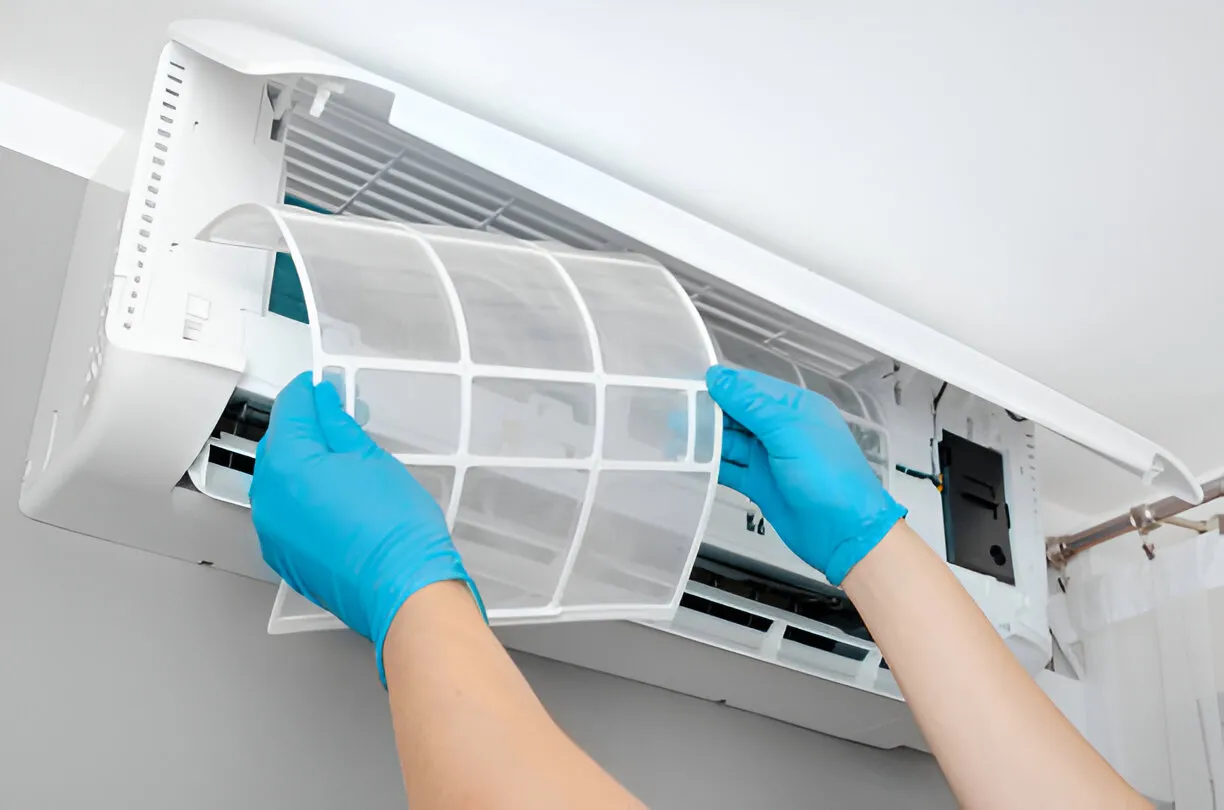
- Airflow assessment including filter, coil, and ductless head inspections to ensure proper circulation.
Diagnostics are documented and explained in plain language, with repair recommendations prioritized by safety, reliability, and cost-effectiveness.
Typical repair processes and estimated timelines
- Refrigerant leak repair and recharge
Process: Locate and repair leak, evacuate system, vacuum, and recharge to spec. Timeline: 2 to 6 hours, depending on accessibility and extent of leak. - Compressor replacement
Process: Recover refrigerant, remove and replace compressor or outdoor condensing assembly, vacuum and recharge, test. Timeline: Most compressor jobs take 4 to 8 hours. If a full condensing unit is required, allow additional time for part procurement. - Fan motor or blower replacement
Process: Remove access panels, replace motor or fan assembly, balance and test. Timeline: 1 to 3 hours. - Electrical repairs and control board replacement
Process: Replace failed components, tighten/replace connections, test system. Timeline: 1 to 4 hours. - Drain and airflow restoration
Process: Clear condensate line, clean filters and coil, verify proper slope and drainage. Timeline: 1 to 2 hours.
Timelines vary with parts availability, multi-zone systems, and weather conditions that can affect recovery and recharging.
Parts and labor expectations
- Repairs use OEM-equivalent or manufacturer-specified parts to maintain system performance and warranty compliance.
- Labor includes diagnostic time, safety checks, refrigerant handling, and system testing. Refrigerant recovery and recharging require certified handling and appropriate equipment, which will be included in labor estimates.
- For older or out-of-production systems, specific parts may require lead time or alternative solutions, which will be explained during the diagnosis.
Emergency response options
Mini-split failures during extreme heat or cold may require immediate attention. Emergency options typically include expedited diagnostic response, temporary fixes to restore limited operation (such as bypassing a failed control or temporary heating), and prioritized scheduling for replacement parts. Emergency responses are focused on safety and minimizing uncomfortable conditions while a permanent repair is arranged.
Warranty and guarantee information
Reliable repairs should include:
- Clear parts warranty based on manufacturer or aftermarket part terms.
- Labor guarantee covering workmanship for a defined period.
- Documentation of replaced components and refrigerant handling records.
Always ask for written details of warranties and what actions may void them before work begins.
Pricing transparency
Expect an upfront estimate after diagnostic inspection, with clear separation between diagnostic fee, parts, labor, and refrigerant. Estimates will include projected timelines and note if additional charges may arise from hidden damage or required code compliance updates. Transparent pricing avoids surprises and helps you compare repair versus replacement options.
When to repair vs when to replace
Consider replacement when any of the following apply:
- System is beyond 10 to 12 years old and facing major component failures such as compressor burnout.
- Repair cost approaches a significant portion of a new system price after factoring in efficiency losses and expected remaining life.
- Frequent repairs are occurring, indicating declining reliability.
- The system uses an obsolete refrigerant not readily available or requiring costly retrofits.
Repair is recommended when: - Issues are isolated (e.g., fan motor, control board, small refrigerant leak) and restorable with a clear parts warranty.
- The system still operates efficiently and has several years of expected life remaining.
A technician will present a clear comparison of projected costs, energy savings, and expected lifespan to help make an informed decision.
Maintenance tips to reduce future repairs
- Clean and replace filters seasonally.
- Keep outdoor units clear of snow, ice, and debris common in Broomfield yards.
- Schedule annual tune-ups before peak cooling or heating seasons to check refrigerant charge, electrical connections, and controls.
- Use manufacturer-recommended settings and avoid frequent, rapid setpoint changes that increase cycling.
Promotions
Save on seasonal system checks from a local team that treats your home like our own.

Testimonials
Neighbors trust Quality Heating & Air for honest work and fair pricing.