
Boiler Replacement in Longmont, CO

Boiler Replacement in Longmont, CO
Replacing a boiler is one of the most impactful home improvements for year-round comfort and energy savings in Longmont, CO. With cold, snowy winters, wide seasonal temperature swings, and the higher elevation around 5,000 feet, choosing the right replacement boiler affects safety, operating cost, and system longevity.
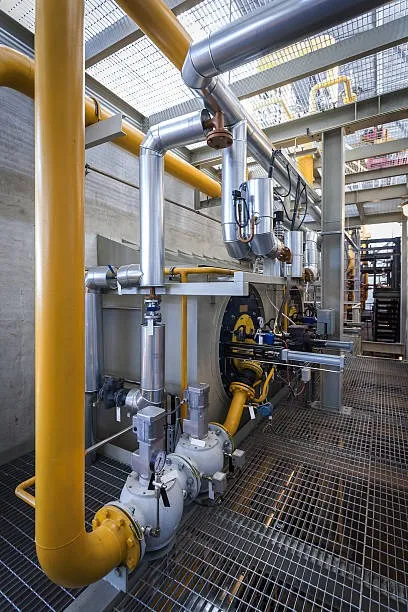
When replacement is recommended: common signs to watch for
- Age and frequent repairs: Boilers older than 15 to 20 years that require repeated service calls are usually more costly to keep running than to replace.
- Rising fuel bills with similar use: Decreased combustion efficiency or failing components cause higher energy use.
- Leaks, corrosion, or rusty water: Visible corrosion or persistent leaks indicate the risk of sudden failure and property damage.
- Inconsistent heating or noisy operation: Cold spots, short cycling, banging, or gurgling often point to failing components or improper sizing.
- Obsolete or unavailable parts: If replacement parts are difficult to source, long-term reliability is at risk.
- Safety concerns: Evidence of combustion problems, persistent pilot light issues, or suspected cracked heat exchangers warrants immediate evaluation and probable replacement.
Types of replacement boilers and how to choose
- Modulating condensing gas boilers (high-efficiency): Best option for most Longmont homes that use natural gas. These offer 90%+ AFUE by condensing flue gases and modulating output to match heat demand, minimizing cycling and optimizing comfort.
- Combi boilers (combination space heating + domestic hot water): Ideal for homes seeking a compact footprint and on-demand hot water without a separate water heater. Performance depends on household hot-water demand.
- Non-condensing boilers: Less expensive up front but lower efficiency (typically 80–85% AFUE). Consider only if venting or existing infrastructure strongly favors this type.
- Electric boilers: 100% efficient at point of use but electricity costs in Colorado typically make them more expensive to operate than gas condensing units unless paired with very low-cost electric supply or renewables.
- Propane or oil boilers: Options where natural gas is not available; modern propane condensing models approach gas boiler efficiencies but fuel availability and cost vary.
Sizing and efficiency considerations for Longmont homes
Proper sizing is critical. A boiler that is oversized will short-cycle, increase wear, and reduce efficiency; an undersized unit will fail to maintain comfort on the coldest nights. A professional heat loss calculation (often referred to as a Manual J or hydronic heat-loss assessment) should be performed—this accounts for Longmont’s insulation, window performance, building orientation, air infiltration, and elevation. For high-altitude installations, combustion settings and venting must be adjusted for air density. Consider variable-speed circulators, outdoor reset controls, and zone valves to improve comfort and lower operating costs.
Comparing modern high-efficiency models
- Modulating-condensing vs single-stage: Modulating-condensing units adjust output continuously for precise matching to load, improving comfort and lowering fuel use compared with single-stage boilers that run full-on or off.
- Combi vs dedicated boiler + water heater: Combi saves space and can be more efficient for modest hot water needs; homes with heavy simultaneous hot-water use may benefit from a separate boiler plus an indirect water heater.
- Controls and smart integration: Modern boilers paired with outdoor reset and smart thermostats (or hydronic control systems) deliver the best year-round efficiency and zone comfort.
Diagnostic and replacement process (what to expect)
- Initial inspection: Visual checks, combustion analysis, pressure and leak testing, review of radiators/piping and venting, and assessment of water quality and expansion tank condition.
- Heat loss calculation and equipment selection: Proper sizing and choosing the right type (condensing vs combi, etc.) based on your home’s needs.
- Permit and prep: Local permits and inspections are typically required; existing venting/chimney conditions and gas line capacity are checked.
- Removal and disposal: The old boiler is disconnected, drained, and removed. Permitted disposal and metal recycling are standard; oil tanks or special contaminants are handled per local code.
- Installation: New boiler set, piping modifications, electrical connections, gas line or fuel hookups, condensate routing, and controls commissioning.
- Start-up and testing: Combustion tuning, leak checks, zone commissioning, and final inspection to ensure safe, efficient operation.
Replacement timeline
- Simple like-for-like swaps in an accessible mechanical room typically take 1 to 2 days.
- More complex jobs—chasing pipe changes, adding an indirect water heater, chimney/vent upgrades, or relocating equipment—can take 2 to 4 days or longer.
- Permit approval and final inspection scheduling can add additional days depending on city or county timelines in the Longmont area.
Disposal and environmental considerations
Old boilers are typically drained and removed with scrap metal recycling of the shell and components. Condensate from high-efficiency boilers must be routed to an appropriate drain; at Longmont winter temperatures, installers may add freeze protection for condensate lines. If the old system used oil, fuel tanks and residue require special handling per local regulations.
Rebates, incentives, and financing
Longmont homeowners may qualify for multiple incentive pathways: local utility rebates (Xcel Energy or municipal utility programs), state energy-efficiency incentives, and federal energy tax credits for eligible high-efficiency equipment. Many contractors also offer financing options or partner financing products to spread installation costs. It is wise to verify current programs and eligibility before purchase, as availability and qualification criteria change.
Warranty and long-term protection
Modern boilers typically include a manufacturer warranty on major components and heat exchangers; high-end models may offer extended warranties on the heat exchanger (often 5–12 years). Labor warranties vary by installer. For best protection, register the equipment with the manufacturer and keep documentation of start-up and annual maintenance. Regular annual tune-ups are recommended to preserve efficiency and maintain warranty validity.
Benefits of timely replacement and maintenance
Replacing an aging boiler with a properly sized high-efficiency model improves year-round comfort, reduces fuel bills, lowers repair frequency, and increases safety. For Longmont homes, careful attention to altitude, winter freeze protection, and outdoor reset controls yields reliable warmth through cold snaps and efficient operation during milder shoulder seasons. Routine maintenance after replacement preserves efficiency and helps maximize the value of your investment.
Promotions
Save on seasonal system checks from a local team that treats your home like our own.

Testimonials
Neighbors trust Quality Heating & Air for honest work and fair pricing.