
Boiler Repair in Longmont, CO
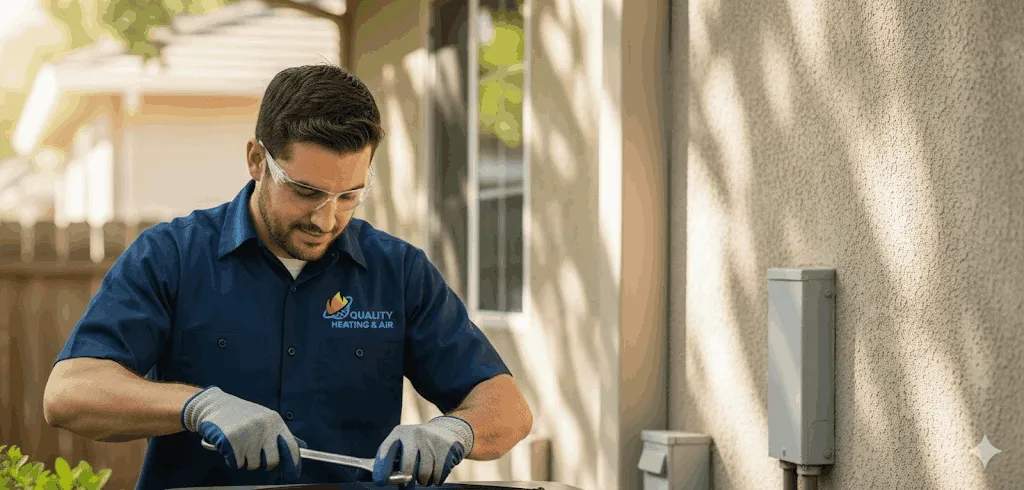
Boiler Repair in Longmont, CO
A working boiler is essential for reliable heat in Longmont homes, especially during cold, snowy winters and rapid freeze thaw cycles at 5,000 feet elevation. When a boiler shows signs of trouble the risk is not only discomfort but frozen pipes, higher energy bills, and potential safety issues.
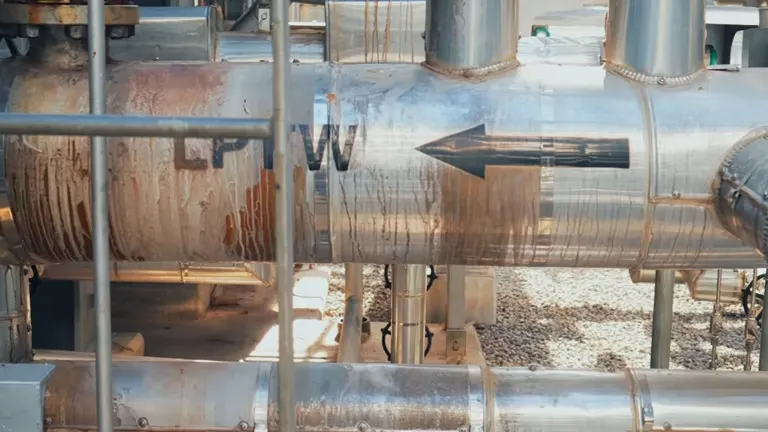
Why timely boiler repair matters in Longmont
Longmont winters bring sustained low temperatures and occasional heavy snow. Many homes here use hydronic boilers, radiant floors, or steam systems that are sensitive to freeze events, sediment, and mineral buildup from local water. A delayed repair can lead to more expensive damage like cracked heat exchangers, burst pipes, or loss of hot water. Prompt, professional diagnosis and repair restores safe heat quickly and preserves system longevity.
Common boiler problems in Longmont and causes
- No heat or intermittent heat: Often caused by failed circulator pumps, stuck zone valves, or air trapped in the system. Cold weather increases the load and exposes weak components.
- Pilot light or ignition failure: Faulty thermocouples, gas valve issues, or electronic ignition problems. High elevation can affect combustion adjustments if not set properly.
- Strange noises (kettling, banging, gurgling): Mineral scale on the heat exchanger, trapped air, or low water flow due to pump failure or clogged lines.
- Leaks and pressure loss: Corroded piping, failed valves, or leaking heat exchangers. Hard water and freeze cycles can accelerate corrosion.
- High energy use or uneven heating: Poor thermostat calibration, failed controls, sludge in radiators or pipes, or inefficient burners.
- Frequent cycling or short cycling: Oversized boilers, control issues, or airflow and combustion problems.
Emergency response and what to expect
In an emergency situation such as no heat during a freeze or a visible leak, qualified technicians prioritize safety and rapid containment:
- Assess immediate hazards including gas leaks, carbon monoxide risk, or major water leaks.
- Shut down equipment safely if combustion or leak issues are present.
- Provide temporary measures to restore heat where feasible, such as isolating leaks or activating backup zones.
- Diagnose root cause and provide a clear repair plan and estimate on site.
Technicians follow standard safety protocols for gas and combustion appliances and carry common replacement parts to speed repairs when possible.
Diagnostic process — how we find the problem
- Visual inspection of the boiler, piping, valves, and venting.
- Check for error codes and run ignition and safety control tests.
- Measure system pressure, boiler water temperature, and combustion efficiency.
- Inspect circulator pumps, zone valves, thermostats, and expansion tanks.
- Flush and check for sediment if noise or flow issues are present.
- Test for gas leaks and perform carbon monoxide checks where applicable.
Diagnostics aim to identify root problems rather than just symptoms, minimizing repeat visits.
Step-by-step repair procedures
- Secure and isolate: Turn off power and gas, and isolate affected zones to prevent further damage.
- Disassembly and inspection: Remove covers, inspect burners, heat exchanger, pump, and controls.
- Replace or repair components: Install warranted parts or repair wiring and valves as needed.
- System cleaning: Flush or power-flush hydronic circuits if scale or sludge is present. Clean burners and combustion components.
- Reassembly and calibration: Reinstall covers, adjust combustion settings for elevation, and calibrate thermostats and controls.
- Pressure and leak testing: Re-pressurize the system and inspect all joints and fittings for leaks.
- Operational test: Run the boiler through several heating cycles and verify even distribution of heat across zones.
Repairs are documented with the work performed and parts used for transparency.
Typical parts and components replaced
- Circulator pumps
- Zone valves and actuators
- Thermostats and control boards
- Gas valves and ignition modules
- Expansion tanks
- Pressure relief valves and auto-fill valves
- Heat exchangers (when necessary)
- Burners, nozzles, and associated combustion components
- Radiator valves and air vents
Many repairs can be completed in a single visit if common parts are on hand.
Transparent pricing and estimates
Estimates reflect parts, labor, diagnostic time, and any pressure-test or cleaning work required. Factors that affect cost include:
- Type and age of the boiler
- Accessibility of the unit and piping
- Parts required and availability
- Extent of system flushing or repiping needed
Homeowners are provided a written estimate itemizing parts and labor before major repairs proceed. Emergency work that restores heat temporarily is documented separately from full repairs so you understand next steps and costs.
Safety checks performed after repair
- Combustion analysis to verify proper fuel-to-air ratios and safe venting
- Carbon monoxide checks at the appliance and living spaces
- Leak and pressure tests on the hydronic system
- Operation verification for all zones and thermostats
- Confirmation of proper expansion tank function and pressure
- Final inspection of gas lines, fittings, and vent terminations
These checks ensure the system is safe, efficient, and ready for Longmont winter demands.
Preventive tips to avoid future breakdowns in Longmont homes
- Schedule annual boiler tune ups before fall to adjust combustion for elevation and inspect controls.
- Flush hydronic systems every 3 to 5 years or sooner if kettling or sediment is present.
- Install or maintain water softening if local water hardness is contributing to scale.
- Insulate exposed pipes and maintain steady thermostat settings during extreme cold to prevent freeze stress.
- Bleed radiators and verify zone valve operation each season to maintain even heat.
- Replace aging expansion tanks and pressure relief valves proactively.
Timely maintenance reduces emergency calls, improves efficiency, and extends equipment life.
Promotions
Save on seasonal system checks from a local team that treats your home like our own.

Testimonials
Neighbors trust Quality Heating & Air for honest work and fair pricing.