
Boiler Installation in Longmont, CO
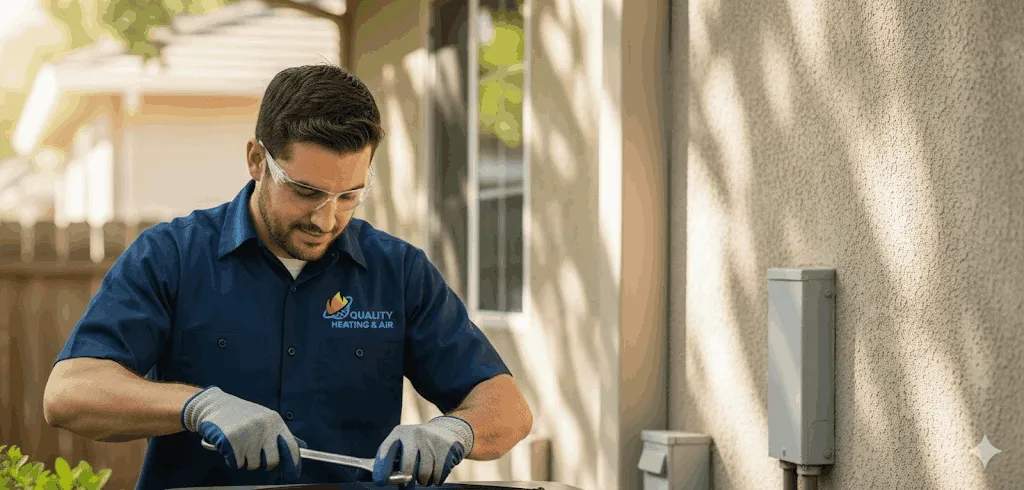
Boiler Installation in Longmont, CO
Upgrading or installing a new boiler is one of the most important investments a Longmont homeowner makes to ensure reliable warmth, efficient fuel use, and long-term comfort during cold Front Range winters.
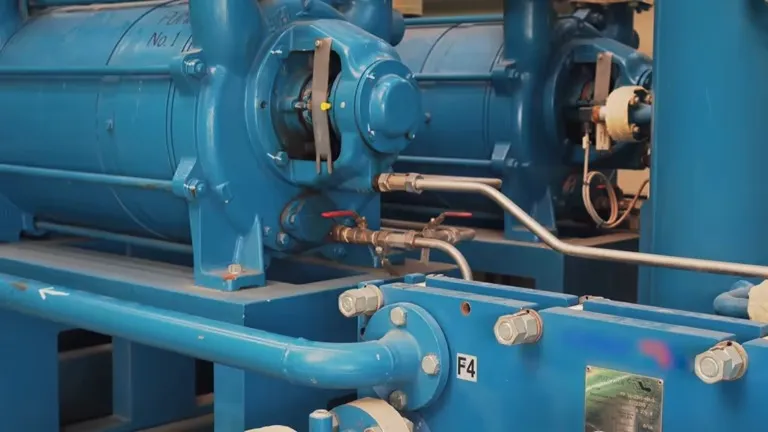
Why proper boiler installation matters in Longmont, CO
Longmont experiences cold, snowy winters and sits at roughly 5,000 feet elevation. Those conditions increase heating demand and affect combustion and venting performance. A correctly sized, high-efficiency boiler reduces fuel costs, prevents premature wear, and maintains even heat across radiant or hydronic systems. Improper sizing or installation leads to short-cycling, poor comfort, and higher energy bills—issues that are common when installers skip load calculations or ignore elevation effects.
Common boiler types and typical Longmont issues
- High-efficiency condensing modulating boilers (best for energy savings and long heating seasons)
- Combi boilers (space- and water-saving for smaller homes or tight mechanical rooms)
- Traditional non-condensing boilers (sometimes used in retrofit situations)Common issues Longmont homes face include undersized systems, inadequate venting for high-elevation combustion, missing condensate neutralization for condensing units, and insufficient zoning for older homes with uneven heat distribution.
Site assessment and load calculations
A thorough site assessment is the foundation of a successful boiler installation in Longmont, CO. Key steps include:
- Home heat loss calculation using current insulation, window types, square footage, and orientation to determine accurate BTU needs.
- Evaluation of existing distribution: radiators, baseboards, underfloor hydronic loops, pump sizing, and pipe condition.
- Fuel type and supply check: natural gas line capacity, propane availability, or electric options.
- Venting and combustion air assessment with elevation adjustments to ensure safe operation and proper draft.This detailed evaluation prevents common mistakes like oversizing, undersizing, or installing incompatible controls.
Equipment selection and efficiency ratings
Choosing the right boiler depends on your home’s load, hot water needs, and long-term efficiency goals:
- AFUE and condensing technology: Look for higher AFUE values; condensing boilers often achieve 90 percent plus efficiency by reclaiming latent heat from exhaust gases.
- Modulating burners: These adjust output to match demand for reduced cycling and better comfort.
- Combi vs separate domestic hot water: Select combi units only if peak hot water demand fits the unit’s capacity; otherwise combine a space-heating boiler with a dedicated water heater.
- Controls and smart thermostats: Outdoor reset, modulation control, and zoning interfaces improve comfort and reduce fuel use in Longmont’s variable climate.Selecting equipment that matches the load calculation and local elevation considerations is critical for reliable performance.
Professional installation steps
A professional boiler installation follows a clear sequence to protect safety and performance:
- Pre-install planning: Confirm permits, final equipment selection, and staging.
- Removal of old equipment: Safe disconnect of fuel, electrical, and hydronic connections with proper disposal.
- Mechanical installation: Proper pad/clearances, secure mounting, and correct piping layout with isolation valves and air separation.
- Fuel and venting work: Gas piping sized to code, appropriate vent materials for condensing vs non-condensing systems, and combustion air provisions sized for elevation.
- Condensate handling and water treatment: Correct routing to drain and installation of neutralizers for condensing boilers; consideration of water quality and corrosion prevention.
- Controls and zone integration: Install and configure thermostats, zone valves, circulators, and boiler control logic.
- Safety devices: Pressure relief, low-water cutoff (for steam), backflow protection, and expansion tanks installed correctly.
Code compliance and permits in Longmont
Permits and inspections protect you and ensure legal, safe operation. Typical requirements include:
- Local building and mechanical permits for new boiler installations
- Gas line permits and pressure testing per municipal code
- Inspection and sign-off for venting, combustion air, and condensate routing
- Compliance with manufacturer installation instructions and state plumbing/mechanical codesBecause Longmont and Boulder County have specific inspection requirements and elevation-related venting considerations, a proper permit and inspection sequence is essential before operation.
Commissioning and performance testing
Commissioning turns a correctly installed boiler into a reliable heating system. Steps include:
- Initial fill, purge, and pressurization of the hydronic loop
- Leak checks on fuel, water, and vent systems
- Combustion analysis and tuning to verify safe, efficient combustion at elevation
- Verifying modulation range, pump operation, and thermostat communication
- Temperature and pressure validation across zones and radiator loops
- Documentation of measured efficiency and operating parametersA full performance test confirms the system meets the calculated design and operates safely in Longmont’s conditions.
Post-installation support and warranties
Long-term performance depends on ongoing care and clear warranty coverage:
- Manufacturer warranty on the boiler and major components
- Installer workmanship warranty for labor and installation-related issues
- Recommended maintenance schedule: annual tune-ups, combustion checks, and system flushing or water treatment as needed
- Support for seasonal adjustments and troubleshooting during first heating cycles after installationWarranty registration and adherence to recommended maintenance help protect your investment and maintain efficiency during Longmont’s long heating season.
Benefits and maintenance tips for Longmont homes
A professionally installed, properly sized boiler provides:
- Consistent, comfortable heat even on the coldest Front Range nights
- Lower energy bills with high-efficiency condensing technology
- Quieter operation and longer equipment life when cycling and controls are optimizedMaintenance tips to preserve performance:
- Schedule annual combustion and safety inspections before the heating season
- Monitor system pressure and report sudden changes or leaks
- Flush and treat hydronic water to control corrosion and scale
- Ensure condensate drains remain clear and insulated in freezing conditionsFollowing these steps keeps your boiler efficient and reliable in Longmont’s climate.
A new boiler installation in Longmont, CO is a technical process that pays dividends when approached with accurate load calculations, proper equipment selection, code-compliant installation, thorough commissioning, and clear warranty and maintenance plans. When each phase is handled correctly, homeowners gain dependable warmth, lower operating costs, and peace of mind throughout the winter months.
Promotions
Save on seasonal system checks from a local team that treats your home like our own.

Testimonials
Neighbors trust Quality Heating & Air for honest work and fair pricing.