7 Things Your HVAC Maintenance Plan Includes

## What Does an HVAC Maintenance Plan Include? Here's a Quick Answer
What does an HVAC maintenance plan include is one of the most common questions homeowners ask before signing a service agreement — and it's worth knowing before your system lets you down on the hottest day in July or the coldest night in January.
Here's a quick breakdown of what a typical plan covers:
- Spring AC tune-up - coil cleaning, refrigerant check, condensate drain flush, electrical inspection - Fall heating tune-up - heat exchanger inspection, burner cleaning, carbon monoxide check, flue draft test - Filter service - inspection and replacement at each visit - Thermostat calibration - testing and adjusting for accurate temperature control - Electrical safety checks - tightening connections, testing capacitors, measuring voltage and amperage - Priority scheduling - faster response when something goes wrong - Repair discounts - reduced rates on parts and labor for plan members
Most plans include two visits per year — one in spring and one in fall — with each visit covering around 30 separate inspection and cleaning tasks that take roughly 60 to 90 minutes to complete.
A neglected HVAC system can lose about 5% of its operating efficiency every single year. Over five years, that adds up to noticeably higher energy bills and a much shorter system lifespan. For homeowners in Thornton and the surrounding Denver metro area, where summers get hot and winters get genuinely cold, skipping routine care isn't just inconvenient — it's expensive.
The rest of this guide walks through exactly what each visit covers, what benefits you get as a plan member, and how to make sure you're getting real maintenance — not just a quick filter swap and a handshake.
Handy what does an hvac maintenance plan include terms:
- how a maintenance plan extends equipment life - is an hvac maintenance plan worth it
What is an HVAC Maintenance Plan and How Does It Work?
An HVAC maintenance plan is a structured preventive service agreement between you and a professional heating and cooling company. Think of it as a wellness plan for your home’s climate control system. Instead of waiting for your furnace to stop blowing warm air during a freezing Front Range blizzard or your AC to fail during a humid July afternoon, a maintenance plan schedules proactive tune-ups to keep everything running smoothly.
Many homeowners confuse maintenance plans with home warranties or manufacturer equipment warranties, but they serve completely different purposes:
- Home Warranties: These are service contracts that cover the cost of repairing or replacing home appliances when they break down. However, they do not cover routine maintenance. In fact, most home warranty companies will deny your claim if you cannot prove your HVAC system was professionally maintained. - Manufacturer Equipment Warranties: When you purchase a new heating or cooling system, it comes with a manufacturer’s warranty covering key parts (like the compressor or heat exchanger) if they fail due to factory defects. Almost all major manufacturers explicitly state that this warranty is only valid if the system is professionally serviced every year. - HVAC Maintenance Plans: These focus entirely on prevention. They include the actual labor, cleaning, safety checks, and calibrations required to keep your system running safely and efficiently. By enrolling, you protect your manufacturer warranty and keep your home warranty provider happy.
By investing in a preventative agreement, you transition from reactive, stressful emergency repairs to planned, budget-friendly care. If you are wondering whether this type of contract makes sense for your household, exploring the financial and practical breakdown of is an hvac maintenance plan worth it can help you weigh the decision.
What Does an HVAC Maintenance Plan Include for Year-Round Comfort?
A comprehensive maintenance plan is built around seasonal tune-ups. Because your air conditioner and your furnace handle entirely different mechanical tasks, they require specialized attention at different times of the year.
A standard agreement includes two primary service visits: a spring visit focused on preparing your cooling system for summer, and a fall visit designed to ensure your heating system can safely handle Colorado's freezing winter temperatures.
During these visits, a qualified technician performs a multi-point inspection. Rather than just taking a quick glance at your equipment, a thorough technician will spend 60 to 90 minutes executing up to 30 separate procedures to clean, inspect, calibrate, and test your system. To understand the depth of these visits, you can review our detailed guide on what does an hvac maintenance visit include.
What does an hvac maintenance plan include for cooling systems?
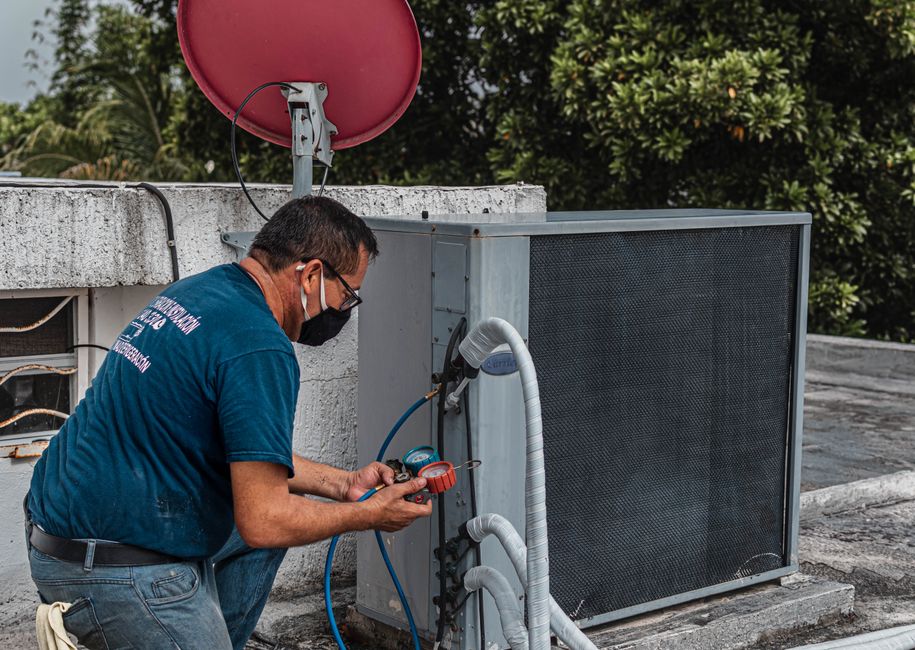
When a technician arrives for your spring AC tune-up, their goal is to maximize cooling efficiency and prevent sudden summer breakdowns. Here is what a professional cooling check involves:
- Condenser and Evaporator Coil Inspection: Dirt and debris on your outdoor condenser coil act as an insulating blanket, forcing your system to work up to 15% harder to release heat. Technicians clean these coils to restore proper heat transfer. - Refrigerant Level Verification: Operating with too little or too much refrigerant damages the compressor. Technicians measure refrigerant pressures and temperatures (using subcooling and superheat calculations) to ensure the charge is correct. - Condensate Drain Line Flushing: Your AC removes gallons of water from your indoor air every day. Technicians clear dust, algae, and mold from the condensate drain line to prevent water damage and costly indoor flooding. - Electrical Performance Evaluations: Technicians tighten loose electrical connections, measure voltage and amperage draws, and test capacitors. Weak capacitors are a leading cause of summer AC failures, and catching them early prevents compressor damage.
What does an hvac maintenance plan include for heating systems?
When the weather cools down in autumn, the focus shifts to safety, combustion efficiency, and reliable heating. Heating maintenance is especially critical because it involves gas combustion and electrical safety. A standard heating tune-up includes:
- Heat Exchanger Inspection: This is the most critical safety step. Technicians inspect the heat exchanger cells for rust, cracks, or corrosion. A cracked heat exchanger can leak deadly carbon monoxide gas directly into your home's air supply. - Burner Assembly and Ignition Cleaning: Dirty burners prevent clean fuel combustion, leading to wasted energy and soot buildup. Technicians clean and adjust the burners and pilot/igniter assembly. - Flue and Venting System Check: Technicians verify that the flue pipes are clear and drafting properly, ensuring all combustion exhaust gases are safely routed out of your home. - Carbon Monoxide Testing: Using specialized tools, the technician tests the air around your furnace and vents to guarantee there are no trace amounts of carbon monoxide escaping into your living space.
To keep your home warm and secure when the mountain snow starts falling, scheduling a professional heating tune-up is essential. Learn more about how we keep your heating systems in top shape by visiting our services page.
The Key Benefits of Enrolling in a Preventive Agreement
Signing up for an HVAC maintenance plan is more than just scheduling two service appointments; it is a financial and operational safety net for your home. While it is easy to ignore your heating and cooling systems when they are working fine, preventative agreements offer several major long-term advantages:
1. Lower Utility Bills: Dirt, clogged filters, and miscalibrated components force your system to consume more energy. Regular professional maintenance can improve system efficiency by 15% to 25%, translating directly to monthly savings on your energy bills. 2. Extended Equipment Lifespan: A neglected HVAC system may only last 10 to 12 years before requiring a total replacement. With consistent, professional care, that same system can easily last 15 to 20 years, extending its life by 5 to 8 years and delaying a major capital expense. For more details on this, see how a maintenance plan extends equipment life. 3. Fewer Emergency Breakdowns: Industry statistics show that regular tune-ups prevent up to 95% of major HVAC breakdowns. Catching a weak capacitor or a slightly clogged drain line during a scheduled visit is much easier and cheaper than dealing with a complete system shutdown on a freezing January night. 4. Priority Service and Member Discounts: If your system does experience an issue, plan members typically receive priority scheduling, meaning you jump to the front of the line during peak weather events. Most plans also provide discounts on repairs, diagnostic fees, and parts.
| Feature / Benefit | Professionally Maintained System | Neglected HVAC System | | --- | --- | --- | | Average Lifespan | 15 to 20 years | 10 to 12 years | | Operating Efficiency | Optimal (saves 15–25% on bills) | Drops 5% every year | | Risk of Major Breakdown | Extremely low (95% reduction) | High, especially during extreme weather | | Manufacturer Warranty | Validated with documented proof | Voided due to lack of professional care | | Safety Hazards | Low; monitored for gas/CO leaks | Higher risk of carbon monoxide or electrical fire |
Recommended Scheduling and Homeowner DIY Tasks
To get the most out of your HVAC system, timing is everything. We recommend scheduling your cooling maintenance in the spring (typically March or April) before the summer heat arrives, and your heating maintenance in the fall (September or October) before you need to turn the thermostat up.
If you own a heat pump, which handles both heating and cooling duties year-round, bi-annual checks are absolutely necessary because the system never gets a seasonal break. If you are unsure of the perfect timing for your home, check out our guide on how often should you service your hvac system.
While a professional maintenance plan covers the technical, high-risk tasks that require specialized tools and certifications, there are several simple DIY tasks homeowners should perform between visits to keep their systems running smoothly:
- Change Your Air Filters Regularly: Check your air filters every 30 days. If they are dirty or clogged, replace them. Standard 1-inch pleated filters should be replaced every 1 to 3 months. Dirty filters restrict airflow, forcing your system to consume up to 15% more energy and putting unnecessary stress on the blower motor. - Maintain Outdoor Unit Clearance: Keep shrubs, weeds, and debris trimmed back at least two feet away from your outdoor condenser unit. This allows the unit to draw in and exhaust air without restriction. - Keep Air Vents Clear: Ensure that furniture, rugs, or drapes are not blocking your home's supply or return air vents. Restricting airflow can cause your system to short-cycle or freeze up. - Replace Thermostat Batteries: Change the batteries in your thermostat once a year to prevent sudden system communication issues.
Frequently Asked Questions About HVAC Maintenance
What happens if you skip regular HVAC maintenance?
Skipping maintenance might seem like an easy way to save money in the short term, but it almost always costs more in the long run. First, your system will experience a gradual loss of operating efficiency, resulting in higher utility bills. Second, dirt and neglect are the leading causes of premature system failure.
A single skipped tune-up can lead to a clogged condensate drain, which can overflow and cause water damage to your ceilings or floors. In the winter, a neglected burner assembly can cause incomplete combustion, increasing the risk of carbon monoxide leaks. Finally, if a major component fails and you cannot provide documented proof of annual professional service, the manufacturer may void your parts warranty, leaving you responsible for the entire repair bill.
How do maintenance plans protect manufacturer warranties?
Most homeowners do not realize that the fine print of their HVAC manufacturer's warranty requires regular, professional maintenance to remain valid. If a critical part like your compressor or heat exchanger fails within the warranty period, the manufacturer will require documented service history before shipping a replacement part.
By enrolling in a maintenance plan, you automatically build a paper trail of professional service reports. If you ever need to file a warranty claim, you can easily provide the manufacturer with the required proof of care. For a complete look at how to navigate these requirements and keep your home comfort systems protected, read our HVAC Maintenance Guide 2026.
What should homeowners look for when comparing different plans?
When shopping for an HVAC maintenance plan, look closely at the details of what is included. Avoid plans that only offer a "visual inspection" or a quick filter swap. A high-quality plan should offer:
- A clearly itemized, multi-point checklist for both heating and cooling seasons. - Guaranteed priority scheduling during peak summer and winter months. - Discounts on diagnostic fees, repair labor, and replacement parts. - Service performed by certified, experienced technicians who take the time to measure performance metrics like static pressure, temperature splits, and electrical draw. - Clear terms regarding contract length, cancellation policies, and whether the plan is transferable if you decide to sell your home.
Conclusion
Your heating and cooling systems represent a major investment in your home's comfort, health, and safety. Just like changing the oil in your vehicle, regular preventative care is the single most effective way to protect that investment, lower your energy bills, and avoid the stress of unexpected breakdowns.
At Quality Heating and Air, we take pride in helping our neighbors throughout Thornton, Northglenn, and the surrounding Denver metro area enjoy reliable, year-round comfort. Our comprehensive maintenance plans are designed to give you total peace of mind, ensuring your systems are clean, safe, and running at peak performance through every seasonal temperature swing.
Ready to protect your home and budget with proactive care? Explore our Maintenance Plan options today, or reach out to our friendly team to schedule your next seasonal tune-up!

Testimonials
Neighbors trust Quality Heating & Air for honest work and fair pricing.
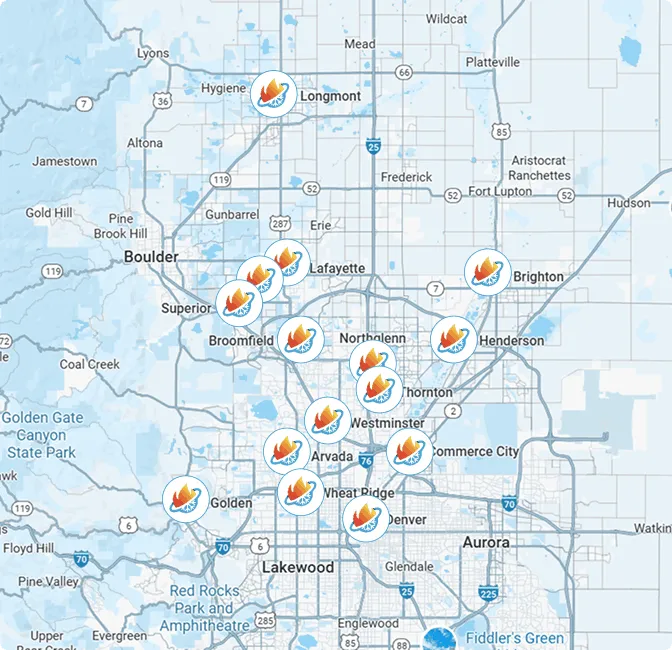
Service Areas