Don't Get Left in the Cold: How Long Your Water Heater Really Lasts
## How Long Does a Water Heater Last — And What Every Homeowner Should Know
How long does a water heater last depends on the type of unit you have, but most homeowners can expect anywhere from 8 to 20+ years of reliable service. Here's a quick breakdown:
| Water Heater Type | Average Lifespan | | --- | --- | | Conventional gas tank | 8-12 years | | Conventional electric tank | 10-15 years | | Tankless gas | 15-20 years | | Tankless electric | 15-18 years | | Hybrid heat pump | 10-15 years | | Solar water heater | 15-20+ years |
Most tank-style water heaters fall in the 8-12 year range. Tankless systems tend to last significantly longer — often 20 years or more with proper care.
You probably don't think about your water heater until something goes wrong. Then — whether it's a cold shower on a freezing Colorado morning or a puddle forming in your utility room — it suddenly becomes the most important appliance in your home. For homeowners in Thornton and the surrounding Denver area, knowing where your unit stands can mean the difference between a planned upgrade and an unexpected emergency. Factors like water quality, maintenance habits, and where your heater is installed all play a real role in how long the unit holds up.
Understanding How Long Does a Water Heater Last by System Type
When we talk about Water Heaters, it is important to realize that not all systems are built the same. The fuel source and the way the water is stored (or not stored) drastically change the internal physics of the machine.
Conventional Tank Water Heaters
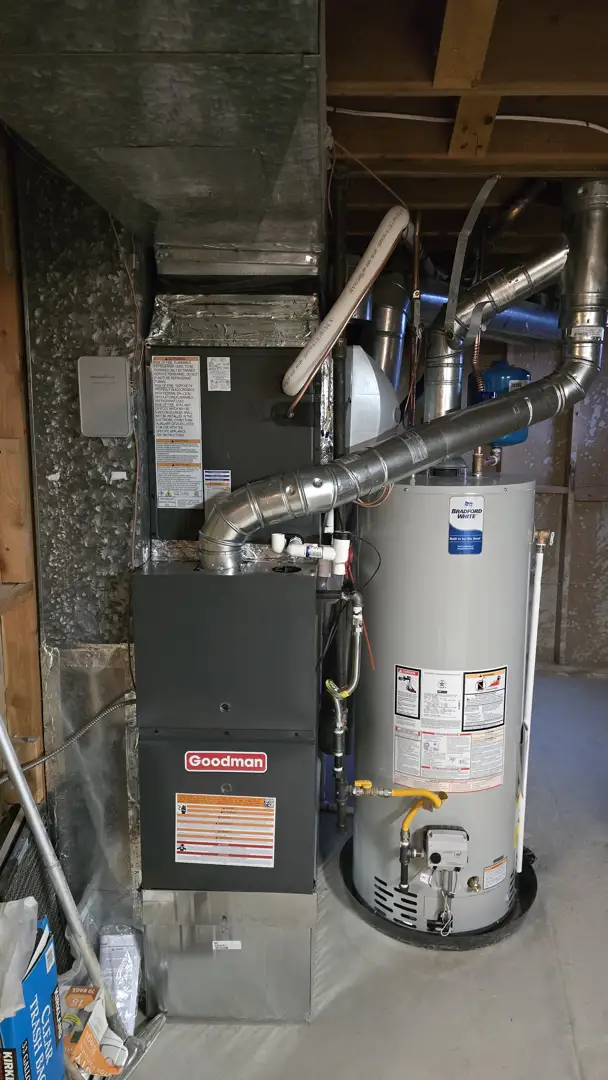
These are the stalwarts of most Northglenn and Thornton homes. They keep a large volume of water—usually 40 to 50 gallons—hot and ready at all times.
- Gas-Powered Tanks: These typically last 8 to 12 years. The reason they often have a shorter lifespan than electric models is the intense heat from the burner at the bottom of the tank, which can accelerate sediment "cooking" and stress the metal over time. - Electric-Powered Tanks: You can usually get 10 to 15 years out of these. Because they use internal heating elements rather than a flame underneath, the bottom of the tank isn't subjected to the same level of direct thermal stress.
Tankless Water Heaters
Often called "on-demand" heaters, these systems don't have a large tank that can rust out. Instead, they heat water as it flows through a heat exchanger. Because they don't store water, they aren't as susceptible to the constant corrosive pressure of a 50-gallon tank.
- Lifespan: These are the marathon runners of the plumbing world, often lasting 20 years or more. While they require a higher initial investment, their longevity and energy efficiency make them a favorite for those planning to stay in their homes long-term.
Hybrid Heat Pump Water Heaters
These units are incredibly efficient, pulling heat from the surrounding air to warm your water. They typically last 10 to 15 years. Since they rely on a compressor and a fan (much like an AC unit), they have more moving parts than a standard electric tank, which requires a bit more specialized attention during annual check-ups.
Solar Water Heaters
In our sunny Colorado climate, solar is an attractive option. The collector array (the panels on your roof) can last 20 years or more. However, the backup storage tank used in these systems usually has a similar lifespan to a conventional tank—about 10 to 15 years.
How long does a water heater last in Colorado's climate?
Living in Thornton or Northglenn introduces some unique challenges for appliances. Our weather is famous for its rapid shifts. If your water heater is located in an "unconditioned space"—like a garage or a crawl space—it has to work much harder.
When the temperature outside drops to sub-zero, the incoming water from the city lines is icy. Your heater has to run longer and hotter to reach your desired temperature. This "thermal cycling"—the constant expanding and contracting of the metal tank as it heats and cools—can lead to microscopic fractures in the glass lining of the tank. Over time, these fractures allow water to reach the steel, leading to rust. This is why we often recommend our Water Heater Services Thornton CO to ensure your unit is properly insulated and adjusted for our specific high-altitude environment.
How long does a water heater last without an anode rod?
If the water heater has a "superhero," it is the anode rod. This is a long wire made of magnesium or aluminum that hangs inside your tank. Its sole job is to be more "attractive" to corrosion than the steel of your tank. Through a process called electrolysis, the corrosive elements in the water eat the rod instead of the tank.
If you don't replace this "sacrificial" rod when it's spent (usually every 3 to 5 years), the corrosive forces will immediately turn their attention to your tank's lining. A water heater without a functional anode rod might only last 6 to 8 years before the tank itself begins to rust through. Consistent upkeep is the secret to longevity, which we cover extensively in our Water Heater Maintenance Guide Clayton CO.
Environmental and Usage Factors Influencing Longevity
Beyond the type of unit you have, several "silent" factors dictate how long does a water heater last in your specific home.
1. Water Hardness: In many parts of Colorado, we deal with hard water—water that is high in minerals like calcium and magnesium. When this water is heated, the minerals solidify into "scale." This sediment settles at the bottom of the tank, creating a layer of insulation between the burner and the water. This forces the heater to run longer, overheating the bottom of the tank and eventually causing the metal to fail. 2. Thermostat Settings: Many homeowners set their heaters to 140°F or higher. However, the U.S. Department of Energy suggests 120°F is usually sufficient. Every 10-degree increase above 120°F can actually shorten the lifespan of your unit by several years due to increased internal pressure and accelerated mineral buildup. 3. Usage Patterns: A household of six people taking back-to-back showers puts significantly more strain on a unit than a single-person household. High demand means more cold water entering the tank, more frequent firing of the burner, and more thermal stress. 4. Installation Quality: Believe it or not, about 60% of premature water heater failures can be traced back to poor installation. Issues like improper venting, lack of an expansion tank, or loose connections can lead to early retirement for your appliance. If you suspect your unit wasn't installed correctly, it's worth seeking Water Heater Repair Thornton CO to correct any lingering issues.
Warning Signs Your Water Heater is Nearing End-of-Life
Your water heater will usually try to tell you it's struggling before it completely gives up the ghost. Keep an ear and an eye out for these red flags:
- Rumbling or Popping Noises: This is often the sound of boiling water trapped underneath a layer of sediment at the bottom of the tank. It’s a sign that the tank is overheating and that the metal is being stressed. - Rusty or Discolored Water: If you see "red" or "tea-colored" water only when the hot tap is running, it's a strong indicator that the inside of your tank is corroding. - Metallic Taste or Smell: This can happen when the internal lining or the anode rod has completely degraded, allowing the metal of the tank to leach into your water supply. - Pooling Water: If you see moisture or a puddle around the base of the heater, check the connections. If the water is coming from the tank itself, it’s a "catastrophic" sign. A leaking tank cannot be repaired; it must be replaced. For urgent situations, our 24 Hour Water Heater Replacement Westminster Guide provides a roadmap for what to do in an emergency. - Erratic Temperatures: If your showers are fluctuating between scalding and freezing, or if you simply don't have as much hot water as you used to, the heating elements or the burner assembly may be failing.
Maintenance Strategies to Maximize Your Investment
We always tell our neighbors in Northglenn that a little bit of prevention is worth a lot of cure. To ensure you reach the upper limits of how long does a water heater last, follow this maintenance checklist:
1. Annual Flushing: Once a year, drain the tank to flush out the accumulated sediment. This keeps the heat transfer efficient and prevents the bottom of the tank from overheating. 2. Test the T&P Valve: The Temperature and Pressure Relief valve is a safety device that prevents your water heater from becoming a "rocket" if the pressure gets too high. Lift the lever once a year to ensure water flows out freely; if it doesn't, the valve needs to be replaced immediately. 3. Check the Anode Rod: Every 2 to 3 years, have a professional pull the anode rod. If it looks like a thin wire with most of its "meat" gone, it's time for a new one. 4. Insulate Your Pipes: Adding foam insulation to the first few feet of hot and cold water pipes can reduce heat loss and prevent the unit from cycling as often.
Determining the Age of Your Unit
Not sure how old your heater is? Look at the "nameplate" or the serial number on the side of the tank. Most manufacturers use a code where the first letter represents the month (A = January, B = February, etc.) and the next two digits represent the year. For example, a serial number starting with "C22" was likely manufactured in March 2022. Knowing the age helps you stay ahead of potential leaks, and our team can assist with Water Heater Services Thornton CO if you need help decoding your specific model.
Deciding Between Professional Repair and Replacement
When your water heater starts acting up, you face the classic dilemma: Should I fix it or toss it? We generally recommend the "50% Rule." If the repair cost is more than 50% of the cost of a new unit, and the heater is in the final third of its expected lifespan, replacement is almost always the smarter financial move.
When to Repair
- The unit is less than 8 years old. - The problem is a replaceable part, like a thermostat, heating element, or the T&P valve. - The unit is still under its manufacturer's warranty (most are 6 to 12 years).
When to Replace
- The tank itself is leaking (this is non-negotiable). - The unit is over 12 years old and requires a major repair. - You are seeing a significant spike in your energy bills. - The recovery rate (how fast it heats back up) has dropped significantly.
Upgrading isn't just about avoiding a leak; it's about efficiency. Modern units are 20-30% more efficient than those built just a decade ago. If you're ready for an upgrade, we specialize in both Water Heater Replacement Thornton CO and precision Water Heater Installation Thornton CO to ensure your new investment is set up for a long, healthy life.
Frequently Asked Questions about Water Heater Lifespan
Can a water heater last 30 years?
While it is extremely rare, it can happen. We usually see this in areas with exceptionally soft water where the homeowner was meticulous about annual flushing and replaced the anode rod every few years. However, for a standard tank in Thornton, 30 years is highly unlikely. Even if it does still hold water, the efficiency would be so low that you’d be paying for it every month on your utility bill.
Does hard water significantly shorten lifespan?
Yes. Hard water is one of the biggest "killers" of water heaters in Colorado. The scale buildup acts like a layer of stone at the bottom of the tank. In some cases, heavy hard water can shorten a unit's life by 2 or more years. Installing a water softener can significantly extend the life of your plumbing appliances.
How do I find the age of my water heater?
Check the serial number on the manufacturer’s label. If you can't find a clear date, you can enter the brand and serial number into the "Building Intelligence Center" website, or simply give us a call. We can help you decode the manufacturer's data to see if you're entering the "danger zone" of an aging tank.
Conclusion
At Quality Heating and Air, we believe that a well-informed homeowner is a comfortable homeowner. Understanding how long does a water heater last isn't just about knowing when to shop for a new one; it's about taking the small, proactive steps today to ensure your family has hot water for years to come.
Whether you need a quick flush, a new anode rod, or a full system upgrade to a high-efficiency tankless model, we are here to help our Thornton and Northglenn neighbors. We treat every home like our own, providing transparent advice and 24/7 emergency availability so you're never left in the cold. If you’re worried about the health of your system, don't wait for a puddle to form. Explore our Water Heaters services today and let us help you maximize your home's comfort and safety.

Testimonials
Neighbors trust Quality Heating & Air for honest work and fair pricing.
Really happy with my overall experience. They worked neatly, quickly, and taught me MUCH along the way. Gave great advice, helped me with a side concern, that was holding me up; and finished in time for my Dentist visit. I would highly recommend this business, and the price was a pure blessing. GREAT local company and I wasn't bribed for my review 🙃 thx guys!
Bonnie B.
Fred was very knowledgeable, he repaired an old rusted iron pipe that was part of the original house build. I thought the repair would be more costly than what Fred qouted me including parts and labor. Fred made the repair after 5pm, after getting the necessary parts and he was very clean because he put down a cloth on the bathroom floor while working. I would highly recommend Fred for service in the future and I will use Quality's services again in the future.
Chris S.
Fred did a wonderful job diagnosing our air conditioning issue, presenting options available, and installing the new unit we needed. In addition to being a truly nice person, Fred was very knowledgable and professional, and we highly recommend him. Thank you Fred!
James D.
Fred was great and explained our issues we had and fixes we needed in an easy to understand way. Will ask for him next time.
Justin F.
Great service, Fred was able to show up the same day we had a problem and get everything fixed. Very knowledgeable and did not pressure us to spend money we didn’t need to spend. I would recommend to a friend without question.
Kyle F.
Fred Gottschalk performed a miracle with the furnace. He is by far the most knowledgeable HVAC professional I know to date. He knew everything about my furnace and replaced an old blower. The blower is far superior over the OEM one. I did the right thing choosing Fred!
Marty P.
I had an amazing experience with Fred Gottschalk! From the moment he came in to the moment he left he was very personable and made me feel good about my decision to call this company for assistance. I love the fact that they prioritize a personal touch making sure whoever comes to your door will remain your tech every time you call in. One thing he told me that gained my trust is that he will take care of my furnace the way he would want someone to take care of his granny’s. Thank you Quality heating and air, and thank you Fred!
Monica G.
Our technician Fred was excellent. Arrived on time, communicated well and was very knowledgable. Highly recommend and will continue to use these guys.
Nancy S.
Fred was great! He was friendly and informative, answered all of our questions and even got along with our cat (also named Fred). Would highly recommend!
Sadie P.
Highly recommend. Easy scheduling process and our technician Fred was on time, very professional, and knowledgeable on all things in the mechanical world. Took time to educate us and fix the issues we had.
Scott F.
Really happy with my overall experience. They worked neatly, quickly, and taught me MUCH along the way. Gave great advice, helped me with a side concern, that was holding me up; and finished in time for my Dentist visit. I would highly recommend this business, and the price was a pure blessing. GREAT local company and I wasn't bribed for my review 🙃 thx guys!
Bonnie B.
Fred was very knowledgeable, he repaired an old rusted iron pipe that was part of the original house build. I thought the repair would be more costly than what Fred qouted me including parts and labor. Fred made the repair after 5pm, after getting the necessary parts and he was very clean because he put down a cloth on the bathroom floor while working. I would highly recommend Fred for service in the future and I will use Quality's services again in the future.
Chris S.
Fred did a wonderful job diagnosing our air conditioning issue, presenting options available, and installing the new unit we needed. In addition to being a truly nice person, Fred was very knowledgable and professional, and we highly recommend him. Thank you Fred!
James D.
Fred was great and explained our issues we had and fixes we needed in an easy to understand way. Will ask for him next time.
Justin F.
Great service, Fred was able to show up the same day we had a problem and get everything fixed. Very knowledgeable and did not pressure us to spend money we didn’t need to spend. I would recommend to a friend without question.
Kyle F.
Fred Gottschalk performed a miracle with the furnace. He is by far the most knowledgeable HVAC professional I know to date. He knew everything about my furnace and replaced an old blower. The blower is far superior over the OEM one. I did the right thing choosing Fred!
Marty P.
I had an amazing experience with Fred Gottschalk! From the moment he came in to the moment he left he was very personable and made me feel good about my decision to call this company for assistance. I love the fact that they prioritize a personal touch making sure whoever comes to your door will remain your tech every time you call in. One thing he told me that gained my trust is that he will take care of my furnace the way he would want someone to take care of his granny’s. Thank you Quality heating and air, and thank you Fred!
Monica G.
Our technician Fred was excellent. Arrived on time, communicated well and was very knowledgable. Highly recommend and will continue to use these guys.
Nancy S.
Fred was great! He was friendly and informative, answered all of our questions and even got along with our cat (also named Fred). Would highly recommend!
Sadie P.
Highly recommend. Easy scheduling process and our technician Fred was on time, very professional, and knowledgeable on all things in the mechanical world. Took time to educate us and fix the issues we had.
Scott F.
Really happy with my overall experience. They worked neatly, quickly, and taught me MUCH along the way. Gave great advice, helped me with a side concern, that was holding me up; and finished in time for my Dentist visit. I would highly recommend this business, and the price was a pure blessing. GREAT local company and I wasn't bribed for my review 🙃 thx guys!
Bonnie B.
Fred was very knowledgeable, he repaired an old rusted iron pipe that was part of the original house build. I thought the repair would be more costly than what Fred qouted me including parts and labor. Fred made the repair after 5pm, after getting the necessary parts and he was very clean because he put down a cloth on the bathroom floor while working. I would highly recommend Fred for service in the future and I will use Quality's services again in the future.
Chris S.
Fred did a wonderful job diagnosing our air conditioning issue, presenting options available, and installing the new unit we needed. In addition to being a truly nice person, Fred was very knowledgable and professional, and we highly recommend him. Thank you Fred!
James D.
Fred was great and explained our issues we had and fixes we needed in an easy to understand way. Will ask for him next time.
Justin F.
Great service, Fred was able to show up the same day we had a problem and get everything fixed. Very knowledgeable and did not pressure us to spend money we didn’t need to spend. I would recommend to a friend without question.
Kyle F.
Fred Gottschalk performed a miracle with the furnace. He is by far the most knowledgeable HVAC professional I know to date. He knew everything about my furnace and replaced an old blower. The blower is far superior over the OEM one. I did the right thing choosing Fred!
Marty P.
I had an amazing experience with Fred Gottschalk! From the moment he came in to the moment he left he was very personable and made me feel good about my decision to call this company for assistance. I love the fact that they prioritize a personal touch making sure whoever comes to your door will remain your tech every time you call in. One thing he told me that gained my trust is that he will take care of my furnace the way he would want someone to take care of his granny’s. Thank you Quality heating and air, and thank you Fred!
Monica G.
Our technician Fred was excellent. Arrived on time, communicated well and was very knowledgable. Highly recommend and will continue to use these guys.
Nancy S.
Fred was great! He was friendly and informative, answered all of our questions and even got along with our cat (also named Fred). Would highly recommend!
Sadie P.
Highly recommend. Easy scheduling process and our technician Fred was on time, very professional, and knowledgeable on all things in the mechanical world. Took time to educate us and fix the issues we had.
Scott F.
Really happy with my overall experience. They worked neatly, quickly, and taught me MUCH along the way. Gave great advice, helped me with a side concern, that was holding me up; and finished in time for my Dentist visit. I would highly recommend this business, and the price was a pure blessing. GREAT local company and I wasn't bribed for my review 🙃 thx guys!
Bonnie B.
Fred was very knowledgeable, he repaired an old rusted iron pipe that was part of the original house build. I thought the repair would be more costly than what Fred qouted me including parts and labor. Fred made the repair after 5pm, after getting the necessary parts and he was very clean because he put down a cloth on the bathroom floor while working. I would highly recommend Fred for service in the future and I will use Quality's services again in the future.
Chris S.
Fred did a wonderful job diagnosing our air conditioning issue, presenting options available, and installing the new unit we needed. In addition to being a truly nice person, Fred was very knowledgable and professional, and we highly recommend him. Thank you Fred!
James D.
Fred was great and explained our issues we had and fixes we needed in an easy to understand way. Will ask for him next time.
Justin F.
Great service, Fred was able to show up the same day we had a problem and get everything fixed. Very knowledgeable and did not pressure us to spend money we didn’t need to spend. I would recommend to a friend without question.
Kyle F.
Fred Gottschalk performed a miracle with the furnace. He is by far the most knowledgeable HVAC professional I know to date. He knew everything about my furnace and replaced an old blower. The blower is far superior over the OEM one. I did the right thing choosing Fred!
Marty P.
I had an amazing experience with Fred Gottschalk! From the moment he came in to the moment he left he was very personable and made me feel good about my decision to call this company for assistance. I love the fact that they prioritize a personal touch making sure whoever comes to your door will remain your tech every time you call in. One thing he told me that gained my trust is that he will take care of my furnace the way he would want someone to take care of his granny’s. Thank you Quality heating and air, and thank you Fred!
Monica G.
Our technician Fred was excellent. Arrived on time, communicated well and was very knowledgable. Highly recommend and will continue to use these guys.
Nancy S.
Fred was great! He was friendly and informative, answered all of our questions and even got along with our cat (also named Fred). Would highly recommend!
Sadie P.
Highly recommend. Easy scheduling process and our technician Fred was on time, very professional, and knowledgeable on all things in the mechanical world. Took time to educate us and fix the issues we had.
Scott F.
Service Areas

Testimonials
Neighbors trust Quality Heating & Air for honest work and fair pricing.
Service Areas