High Altitude HVAC Challenges: Why Your Furnace Feels Out of Breath
## Why Colorado's Altitude Is Making Your HVAC Work Harder Than It Should
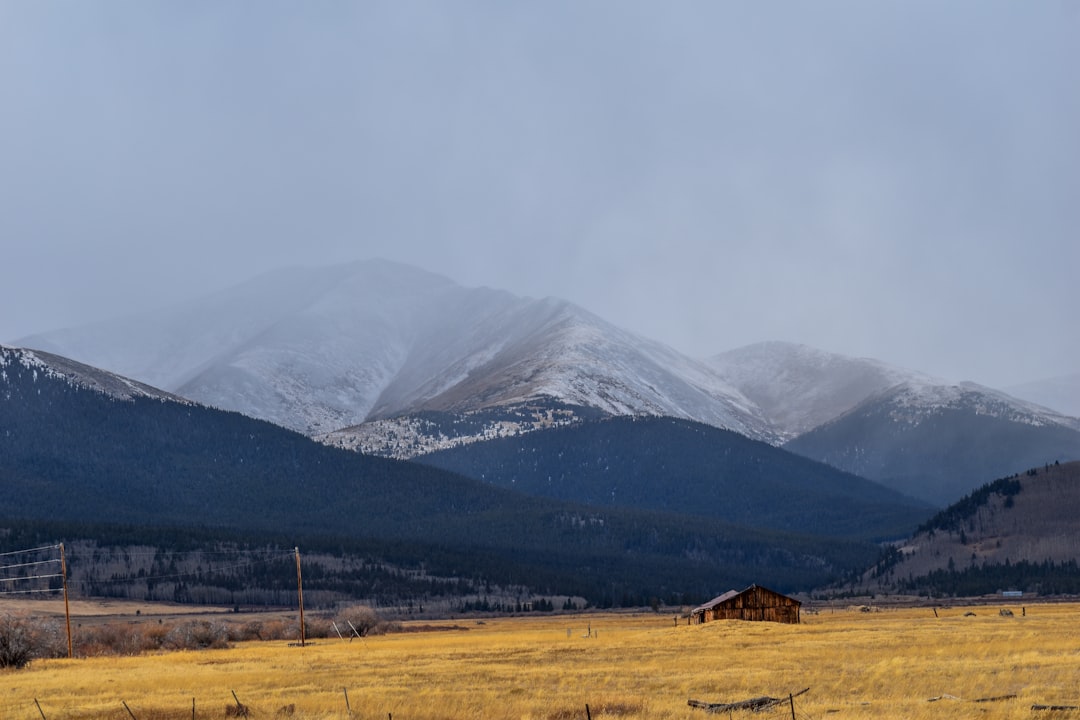
Understanding how Colorado altitude affects your HVAC system is one of the most important things you can do as a homeowner on the Front Range. At elevations between 5,000 and 7,000 feet — where most Colorado communities sit — the air is thinner, oxygen is scarcer, and your heating and cooling equipment has to work significantly harder just to keep up.
Here's a quick summary of the key effects:
- Furnaces lose output: A furnace rated at 100,000 BTUs at sea level may only deliver 80,000–85,000 BTUs at elevations around 5,900 feet without proper adjustment. - Air conditioners lose cooling capacity: AC systems can lose 15–20% of their rated capacity above 5,000 feet due to reduced air density and shifting refrigerant pressures. - Efficiency ratings don't tell the whole story: Manufacturer ratings like AFUE, SEER, and HSPF are tested at sea level — not at Colorado elevations. - Combustion becomes less reliable: Less oxygen means furnaces can burn fuel incompletely, raising the risk of carbon monoxide buildup. - Your system moves more air for less result: At 6,000 feet, air density is roughly 81% of sea level, so your system must move 15–20% more air volume just to match sea-level performance. - UV radiation adds cooling load: UV intensity increases about 4% per 1,000 feet of elevation, which adds measurable heat stress — especially on south- and west-facing homes.
Most homeowners in Thornton, Northglenn, and the greater Denver area don't realize their HVAC system may never have been properly adjusted for local elevation. That means it's been working overtime — quietly running up energy bills and wearing down components faster than it should.
This guide breaks down exactly what's happening inside your equipment, why it matters, and what you can do about it.
The Science of Thin Air: How Colorado Altitude Affects Your HVAC System
At the simplest level, altitude changes HVAC performance because it changes the air itself.
As elevation rises, air pressure drops. Lower pressure means fewer air molecules packed into the same space. That is why we say the air is "thin." A practical rule of thumb is that air density drops by about 3% for every 1,000 feet of elevation. By the time you are in the Thornton and Northglenn area, your HVAC system is already operating in noticeably thinner air than the conditions used for most lab testing.
That affects HVAC in two big ways:
1. Heating equipment has less oxygen available for combustion. 2. Cooling equipment has less dense air available for heat transfer.
A furnace needs oxygen to burn fuel cleanly and efficiently. An air conditioner or heat pump needs moving air to absorb and release heat. When the air is thinner, both processes become less effective.
That is why a system can be "working" but still not feel like it is performing well. Homeowners often notice:
- Longer run times - Rooms that never quite reach set temperature - Hot and cold spots - Weak airflow feeling at supply vents - Higher utility use without obvious equipment failure
Thin air also changes how fans and blowers behave. Since each cubic foot of air carries less heat energy at altitude, your system may need to move more volume to deliver the same comfort. At about 6,000 feet, air density is roughly 81% of sea level, so HVAC equipment may need 15% to 20% more airflow to do the same job.
If you are comparing system options, our guide on choosing an AC system for Colorado altitude and climate is a helpful next step.
Here is a simple air-density snapshot:
| Elevation | Approximate Air Density Compared to Sea Level | HVAC Impact | | --- | --- | --- | | Sea level | 100% | Full rated test conditions | | 5,000 feet | About 85% | Noticeable loss in combustion and cooling performance | | 7,000 feet | About 79% | Larger derating and capacity loss if unadjusted |
Understanding How Colorado Altitude Affects Your HVAC System Ratings
Efficiency labels are useful, but they are not the whole story in Colorado.
AFUE, SEER2, and HSPF are standardized ratings. They help compare one unit to another, but they are not a promise that your system will deliver that exact performance in a high-altitude home.
- AFUE measures how efficiently a furnace converts fuel into heat over a season. - SEER2 measures cooling efficiency under standardized conditions. - HSPF measures seasonal heating efficiency for heat pumps.
The catch is that these ratings are based on test conditions that do not fully match Front Range altitude. In real homes around Thornton and Northglenn, the equipment may be facing:
- Lower oxygen levels - Lower air density - Strong solar gain - Wide day-to-night temperature swings - Duct losses in hot attics or cold crawlspaces
So yes, a furnace may still be an excellent furnace and an AC may still be a high-efficiency AC. But if the installation did not include altitude correction, airflow setup, refrigerant verification, and proper load calculations, real-world performance can fall short of the label.
That gap is one reason homeowners get frustrated. The equipment brochure promised one thing. The house feels like another thing. Usually the problem is not magic, and it is not personal. It is physics.
Heating at 5,000+ Feet: Why Your Furnace Needs "Derating"
In Colorado, furnace derating is not optional theory. It is a practical safety and performance requirement.
A gas furnace is designed around a specific air-to-fuel ratio. At higher elevation, the amount of oxygen available for combustion drops. If the burner keeps trying to burn the same amount of fuel as it would at sea level, the flame can become unstable or incomplete.
That leads to several problems:
- Reduced heat output - Lower combustion efficiency - Sooting or dirty burners - Excess wear on components - Increased carbon monoxide risk
This is why a furnace rated at 100,000 BTUs at sea level may only produce around 80,000 to 85,000 BTUs near 5,900 feet unless it is properly adjusted. The unit is not necessarily broken. It is simply operating in a thinner atmosphere.
Common high-altitude furnace adjustments include:
- Derating gas input - Installing high-altitude burner orifice kits when required by the manufacturer - Adjusting manifold gas pressure - Verifying combustion air supply - Checking flame quality and ignition performance - Confirming venting is correct for local conditions
This is one area where guessing is a bad hobby.
If gas input is not reduced correctly, the system can run too rich. If adjustments are too aggressive, the furnace may underperform and struggle to heat the home. The goal is safe, clean combustion that matches the local elevation and the specific equipment model.
Proper setup also matters for comfort. A furnace that is not tuned for altitude may run more often, create odd startup noises, or produce uneven temperatures throughout the house.
Combustion Safety and How Colorado Altitude Affects Your HVAC System
Combustion safety is the most important reason to take altitude seriously.
When fuel does not burn completely, carbon monoxide can be produced. At higher elevations, that risk goes up if the furnace has not been adjusted correctly or if maintenance has been neglected.
Warning signs of combustion-related trouble can include:
- Yellow or wavering burner flames instead of steady blue flames - Whistling, rumbling, or rattling on startup - Frequent burner shutdowns - Soot near the furnace - Headaches or stale air concerns in the home - A furnace that runs but does not seem to deliver expected heat
Colorado's dry climate adds another wrinkle. Dust, dry air, and long heating seasons can dirty burners, coat flame sensors, and reduce reliable ignition. If you want to understand the indoor comfort side of that issue, read How Colorado Dry Air Affects Indoor Air Quality.
A professional tune-up for a high-altitude furnace should include more than changing a filter and giving the unit a polite nod. It should involve:
- Burner inspection and cleaning - Flame sensor cleaning - Gas pressure verification - Combustion analysis when needed - Venting inspection - Heat exchanger safety checks - Carbon monoxide awareness
If your furnace sounds like it is trying to sing through a kazoo, it is probably time for a closer look.
Cooling Challenges: Why Air Conditioners Struggle in the Mile High City
Air conditioners have a different altitude problem than furnaces, but the result is familiar: less comfort for more effort.
An AC system cools by moving heat, not by making "cold." Indoor air passes over the evaporator coil, heat is absorbed by the refrigerant, and that heat is then released outside through the condenser. Thin air makes both sides of that process less effective.
Above 5,000 feet, non-adjusted AC systems can lose around 15% to 20% of their cooling capacity. Research also shows compressor efficiency can drop to roughly 80% to 85% around 5,000 feet and even lower at higher elevations.
Why does that happen?
- Thinner air carries less heat across the coils - Outdoor condensers reject heat less effectively - Refrigerant pressure relationships shift - Compressors work harder to maintain performance
Technicians often see lower suction pressure and higher discharge pressure patterns in high-altitude operation. Those pressure changes can increase strain on the compressor, especially during hot summer afternoons when solar gain is high.
That is also why homeowners may notice the AC running and running without fully catching up during peak heat. The system is not lazy. It is just trying to cool a home in thin air under stronger sun.
Heat pumps face similar heat-transfer challenges because they use the same refrigeration cycle. In cooling mode, they deal with the same reduced air density. In heating mode, they also have to manage Colorado's winter swings and defrost cycles, which can become more noticeable in cold, dry conditions.
Indoor air quality matters here too. A struggling cooling system often means longer fan operation, more dust circulation, and less consistent filtration. For more on that connection, see How Your HVAC System Affects Indoor Air Quality.
Professional Calibration: How Colorado Altitude Affects Your HVAC System Setup
Proper setup is where good equipment becomes good performance.
In Colorado, sizing and commissioning cannot be based on square footage alone. A real installation should account for:
- Elevation - Manual J load calculations - Window orientation - Insulation levels - Duct design and leakage - Air infiltration - Internal heat gains - Local temperature swings
Manual J calculations are especially important because altitude changes sensible cooling behavior, and Colorado sun changes the load dramatically. UV radiation increases by about 4% per 1,000 feet of elevation. That means south- and west-facing windows can add a lot more heat than homeowners expect. In some homes, cooling loads on those exposures may run 15% to 25% higher.
That is why proper sizing matters so much. An oversized unit can short-cycle and leave comfort uneven. An undersized unit may run forever and still fall behind. Either mistake is worse when altitude has not been factored in.
Professional calibration can include:
- Verifying blower airflow for local conditions - Checking refrigerant charge carefully at elevation - Confirming temperature split and static pressure - Adjusting fan settings - Reviewing duct capacity - Matching equipment to actual load, not guesswork
This is also where variable-speed equipment shines. Variable-speed blowers and inverter-driven systems can adapt more smoothly to changing load, changing temperatures, and thin-air operating conditions. They do not remove the effects of altitude, but they handle them far better than single-stage systems that only know "all on" and "all off."
Maximizing Efficiency in the Front Range
Even the best HVAC equipment needs help from the house.
If you want better comfort and lower strain on your system in Thornton or Northglenn, focus on the whole-home side of efficiency too.
Duct sealing
Leaky ducts are a problem anywhere, but they are worse at altitude because your system already has to move more air volume for the same result. If conditioned air leaks into an attic, crawlspace, or wall cavity, your equipment has to run longer to compensate.
Insulation and air sealing
Colorado homes deal with strong sun, winter cold, and big day-to-night swings. Good attic insulation, weatherstripping, and air sealing help reduce the load your HVAC system has to carry.
Smart thermostat control
Smart thermostats with adaptive recovery can help reduce unnecessary cycling and better manage comfort through Colorado's rapid temperature changes. Some households can see meaningful energy savings from smarter scheduling and steadier operation.
Humidity control
Colorado's air is famously dry, especially in winter when indoor humidity can dip below 20%. That affects comfort more than many homeowners realize. Dry air can make warm air feel cooler, increase irritation in the nose and throat, and even contribute to wear on some materials in the home. Humidity support can improve comfort so you are not overworking the thermostat trying to "heat the desert."
Learn more in How Colorado Dry Air Affects Indoor Air Quality.
Better filtration and maintenance
Dusty conditions and increased airflow demands mean filters matter. A clogged filter adds static pressure, reduces airflow, and makes every altitude-related challenge worse.
Equipment choices that tend to perform well at altitude
For many Front Range homes, the best performers are often:
- Variable-speed furnaces - Inverter heat pumps - Properly sized mini-splits - Two-stage systems with strong commissioning support
These technologies are better at adjusting to shifting conditions instead of blasting at one fixed output all day.
Ignoring altitude effects can have real energy consequences. Research suggests improper sizing or lack of altitude adjustment can increase annual energy use by 20% to 30%. For homeowners, that means more wear, more runtime, and a system that ages faster than it should.
Signs your system may be struggling due to improper altitude setup include:
- The furnace runs often but the house still feels chilly - The AC cannot keep up in late afternoon - Uneven temperatures from room to room - Strange burner noise or delayed ignition - High utility bills relative to comfort - Frequent cycling or systems that seem to run forever - Repeat repairs without a clear root cause
Frequently Asked Questions about High Altitude HVAC
Why does my furnace whistle or rattle at high altitude?
Whistling or rattling can point to an improper air-to-fuel mixture, incorrect manifold pressure, restricted airflow, or burner issues. At altitude, a furnace that has not been derated correctly may have noisier combustion or unstable flame behavior. Dirty burners and flame sensor issues can add to the problem. If the noise is new or getting worse, we recommend having it inspected rather than hoping it develops a sense of rhythm.
Do heat pumps work effectively in Colorado's thin air?
Yes, especially modern inverter-driven heat pumps, but they must be selected and installed for Colorado conditions. Thin air reduces heat-transfer efficiency, so proper sizing and setup matter. In winter, heat pumps also have to manage defrost cycles and very changeable temperatures. In many homes, they perform best as part of a well-designed system with appropriate backup heat or cold-weather capability.
How often should I change my filters in Colorado?
It depends on filter type, pets, dust levels, and system runtime, but Colorado homes often need closer attention because systems may move more air volume and run longer in thin air. Check standard 1-inch filters monthly and replace them when dirty. Homes with pets, dust, or allergy concerns may need more frequent changes. A neglected filter increases static pressure and reduces the airflow your system desperately needs at altitude.
Conclusion
Colorado's elevation changes the rules for heating and cooling. Thin air reduces combustion efficiency, weakens heat transfer, lowers real-world capacity, and puts extra stress on equipment that was often tested somewhere much closer to sea level. Add in dry air, intense sun, and wild temperature swings, and it is easy to see why standard HVAC assumptions do not always work here.
The good news is that most of these problems can be improved with the right approach:
- Accurate Manual J sizing with altitude corrections - Proper furnace derating and combustion setup - Careful AC and heat pump calibration - Duct sealing and insulation upgrades - Smart thermostat use - Regular maintenance focused on high-altitude wear
At Quality Heating and Air, we help homeowners in Thornton and Northglenn get systems that are calibrated for how Colorado actually behaves, not how a brochure says it should behave. If your furnace seems out of breath, your AC cannot keep up, or your comfort just feels off, it may be time for a high-altitude evaluation.
Schedule your high-altitude HVAC evaluation with Quality Heating and Air

Testimonials
Neighbors trust Quality Heating & Air for honest work and fair pricing.
Service Areas