The Hidden Cost of Skipping Thorough System Checks During Routine AC Service

The Costly Illusion of 'Filter-and-Belt' Maintenance
You review the latest service invoice for your facility, noting that the filters are clean and the belts are fresh, but a critical vulnerability remains ignored. The hidden cost of skipping thorough system checks during routine AC service often reveals itself only when a major component abruptly fails. Many facility managers accept cheap, basic maintenance quotes under the assumption that a quick visual inspection means their systems are fully protected. However, this surface-level approach leaves the most vital—and expensive—parts of your climate control infrastructure completely exposed to compounding wear and tear.
To truly protect your building's assets, investing in a comprehensive Air Conditioning evaluation is the critical first step toward preventing sudden operational downtime.
A standard "filter-and-belt" service completely bypasses the critical secondary components that dictate the lifespan of a Commercial Rooftop Unit (RTU). When a technician spends only fifteen minutes on a rooftop, they are merely addressing the obvious consumable parts. They are not measuring electrical tolerances, they are not checking for microscopic refrigerant leaks, and they are certainly not evaluating the integrity of the hidden ductwork. This illusion of maintenance creates a false sense of security.
Ignoring these hidden elements sets a ticking clock on the system's most expensive parts. A commercial HVAC system is a complex, interconnected network where the failure of a ten-dollar electrical component can easily destroy a compressor worth thousands. Understanding exactly what a comprehensive check entails—and what happens when those checks are skipped—is the only reliable way to prevent catastrophic failure and manage your facility's long-term budget effectively.
The Anatomy of Secondary Component Failure
To understand why surface-level checks are so dangerous, it is necessary to look at how a commercial cooling system actually operates. Primary components, such as the compressor and the blower motor, do not operate in a vacuum. They depend entirely on a delicate, highly calibrated balance of electrical delivery and airflow systems to function within their engineered tolerances.
The Domino Effect of Component Wear
The Problem: Most major system breakdowns are mistakenly attributed to old age or a defective primary part. In reality, primary components are incredibly resilient. When they fail, it is almost always because a secondary system—such as a contactor, a capacitor, or the ductwork itself—has slowly degraded and forced the primary component to work twice as hard.
The Cause: Secondary component degradation is often invisible to the naked eye during a quick visual inspection. A contactor might look fine from the outside, but its internal metal pads could be pitted and scarred from electrical arcing. A run capacitor might not be bulging, but its microfarad rating could be dropping steadily. When these minor faults compound over months of heavy operation, they alter the electrical current and refrigerant pressures throughout the entire unit.
The Solution: The only way to stop this domino effect is through proactive, instrument-based testing. Upgrading to a comprehensive Maintenance Plan ensures that technicians use multimeters, manometers, and thermal imaging to evaluate secondary components before they compromise the primary systems. Catching a failing contactor early is a minor adjustment; missing it guarantees catastrophic compressor replacement costs down the line.
Hidden Electrical Degradation and Voltage Imbalances
One of the most destructive forces inside a Commercial Rooftop Unit (RTU) is electrical wear and tear. Unlike the filters, which clearly show dirt and debris, electrical degradation happens silently inside the control panels and motor housings. Loose electrical connections are a leading cause of premature commercial compressor failure, and they are almost never caught during a rushed service call.
The Impact of Thermal Cycling on Connections
Commercial units are subjected to brutal environmental conditions. Local temperature extremes cause rapid thermal cycling in exposed rooftop units. During the heat of the day, metal electrical terminals expand; as the temperature drops at night, those same terminals contract. Over months and years of this continuous expansion and contraction, the lug nuts and screws holding heavy-gauge wires in place naturally begin to loosen.
• Increased electrical resistance: As a connection loosens, the surface area transferring the electrical current decreases, creating severe resistance.
• Localized heat generation: This resistance generates intense localized heat, which further damages the wire insulation and the terminal block.
• Significant voltage drops: The resistance prevents the full voltage from reaching the compressor or blower motor.
A sustained voltage imbalance forces the compressor motor to draw excessive current (amperage) to compensate for the lack of voltage. This excess current generates extreme heat deep inside the motor windings. Over time, this heat bakes the protective insulation off the copper windings until they short out completely. A thorough system check requires a technician to physically tighten every high-voltage connection and measure the voltage drop across contactors—steps that are entirely ignored in a basic tune-up.

Ductwork Airflow Restrictions and Static Pressure
While electrical systems provide the power, the airflow system provides the essential heat transfer. Ductwork integrity is rarely checked during a basic service visit, yet it dictates the overall efficiency and survival of the cooling system.
The Physics of Static Pressure in RTUs
The Problem: Facility managers often assume that if air is blowing out of the vents, the ductwork is fine. However, degraded duct seals, collapsed internal liners, and hidden blockages drastically alter the way air moves through the building.
The Cause: When ductwork is compromised, it increases the system's static pressure. Static pressure is the resistance to airflow within the ducts. High static pressure chokes the airflow moving over the evaporator coil. Without sufficient airflow, the system cannot properly absorb heat from the building or reject it outside. The refrigerant returning to the compressor may still be in a liquid state—a condition known as liquid slugging—which can destroy the compressor's internal valves in a matter of hours.
The Solution: Comprehensive routine AC maintenance and service must include static pressure testing. By measuring the pressure in the supply and return ducts, technicians can identify hidden restrictions before they cause irreversible damage. When static pressure is optimized, the compressor runs smoothly, dramatically shortening its run cycles and eliminating the risk of catastrophic compressor replacement costs due to airflow starvation.
Real-World Impact: The Value of Comprehensive Inspections
The difference between a rushed maintenance visit and a thorough evaluation becomes glaringly obvious when looking at real-world facility management outcomes. A truly comprehensive check involves testing specific electrical tolerances, measuring refrigerant subcooling and superheat, and evaluating static pressure. It is an educational process, not just a mechanical one.
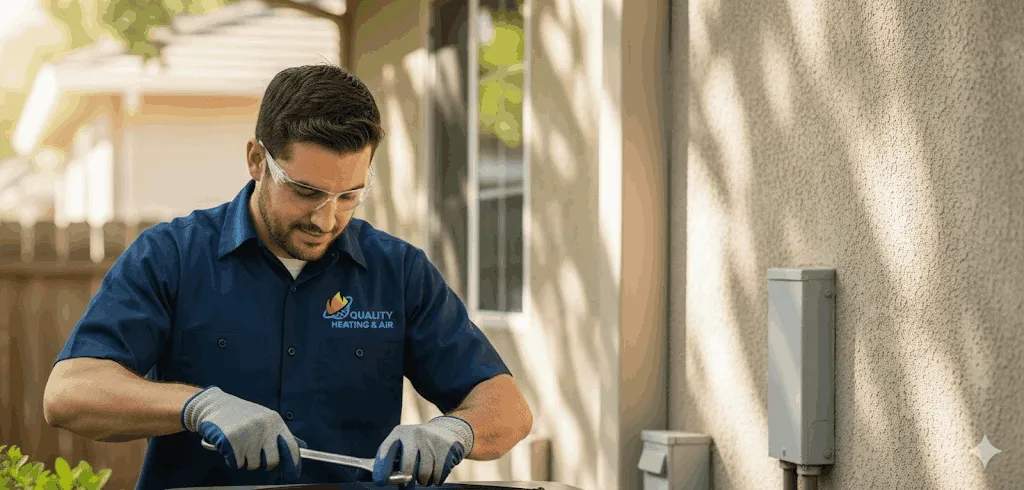
When technicians take the time to inspect secondary components, they can identify and resolve minor electrical hiccups before they escalate into facility-wide emergencies. One local facility manager experienced this firsthand during a summer project needing an installation and thorough system evaluation. The technician provided a detailed bid that explicitly explained the differences between a comprehensive approach and competitors' basic quotes, keeping the customer updated at every step. The outcome was a system installed and calibrated on time, with transparent pricing and clear communication that built lasting confidence.
Providing detailed explanations of these hidden scenarios allows facility managers to make informed, proactive decisions. Instead of wondering when the Commercial Rooftop Unit (RTU) might fail next, building owners gain the peace of mind that comes from knowing every contactor, capacitor, and duct seal has been verified. Thorough educational service proves that the entire system—not just the filter—is optimized for longevity and efficiency.
Basic Tune-Ups vs. Comprehensive Care Plans
Standard commercial maintenance often prioritizes speed over depth, leaving secondary components unchecked and facility budgets vulnerable. Investing in a higher-tier maintenance strategy shifts the focus from reactive repairs to proactive asset management.
By upgrading to Affordable Commercial Comfort Care Plans, facilities benefit from a rigorous protocol that explicitly mandates thorough electrical and ductwork system checks. This proactive approach is the ultimate solution to target secondary component degradation, elevating the standard of care far beyond cheap, surface-level quotes.
• Electrical Evaluation — Basic "Filter-and-Belt" Tune-Up: Visual inspection only — Affordable Commercial Comfort Care Plans: Tightens terminals, measures voltage drops, tests capacitors
• Airflow & Ductwork — Basic "Filter-and-Belt" Tune-Up: Replaces air filters — Affordable Commercial Comfort Care Plans: Measures static pressure, inspects duct seals and blower performance
• Refrigerant Check — Basic "Filter-and-Belt" Tune-Up: Checks if air feels cold — Affordable Commercial Comfort Care Plans: Calculates precise superheat and subcooling metrics
• Long-Term Outcome — Basic "Filter-and-Belt" Tune-Up: High risk of sudden Commercial Rooftop Unit (RTU) failure — Affordable Commercial Comfort Care Plans: Proactive asset protection and extended equipment lifespan
Securing the right HVAC Services ensures that your maintenance budget is actually preventing breakdowns, rather than just paying for someone to change a filter you could have changed yourself.
The Long-Term Financial Implications of System Neglect
The overarching financial risks of skipping thorough checks extend far beyond the immediate repair bill. Commercial HVAC systems represent a massive capital investment, and their daily operating costs consume a significant portion of a facility's utility budget.
Energy Consumption and Efficiency: Proper, comprehensive HVAC maintenance can reduce facility energy consumption by up to 20 percent. When secondary components degrade, the system runs longer and draws more amperage to achieve the same amount of cooling. This inefficiency silently inflates monthly utility bills, draining capital that could be used elsewhere.
Warranty Invalidation: Neglected secondary components can easily void manufacturer warranties. If a primary part fails and the manufacturer determines that the failure was caused by a lack of basic care—such as operating with severe voltage imbalances or choked airflow—they will deny the warranty claim. You will be left covering the full cost of the replacement.
Operational Downtime: Unexpected system downtime disrupts operations, creates uncomfortable environments for building occupants, and can even force temporary closures. The upfront investment in thorough system checks pales in comparison to the operational losses, emergency labor rates, and catastrophic compressor replacement costs associated with a sudden system failure. Proactive maintenance is not an expense; it is a vital risk management strategy.
Frequently Asked Questions About Commercial AC Maintenance
What causes an RTU compressor to fail?
Compressor failure is often caused by secondary component failures like loose electrical connections or severe airflow restrictions. When electrical terminals loosen, they create voltage drops that force the compressor motor to draw excess current and overheat. Similarly, restricted airflow prevents proper heat transfer, forcing the compressor to overwork until the internal windings or valves eventually burn out.
What should a commercial AC maintenance plan include?
Beyond simply changing filters and belts, a true commercial maintenance plan must include checking electrical terminals, measuring voltage balances, and verifying ductwork integrity. Technicians should also test capacitors, inspect contactors for pitting, and calculate refrigerant superheat. Comprehensive plans ensure that all secondary components are supporting, rather than straining, the primary cooling system.
What happens if I don't service my commercial AC?
If you skip regular service, system efficiency drops rapidly, and facility energy consumption can increase by up to 20%. The risk of sudden, expensive breakdowns skyrockets as minor electrical and airflow issues compound over time. Furthermore, manufacturer warranties may become void if you cannot provide records showing that the system received proper, comprehensive maintenance.
How often should commercial rooftop units be serviced?
Typically, commercial units require at least bi-annual comprehensive checks to transition safely between heating and cooling seasons. However, high-demand environments, industrial facilities, or buildings subject to extreme local climates may necessitate quarterly inspections. Frequent checks are essential to catch the rapid thermal cycling wear that loosens electrical connections.
How do loose electrical connections affect my commercial AC?
Loose electrical connections create severe electrical resistance and localized heat, leading to significant voltage drops across the system. This lack of proper voltage forces the blower motors and compressors to draw more current to keep running. The excess current generates extreme internal heat, causing premature wear, melted wire insulation, and potential motor burnout.
Securing Your Facility's Comfort and Budget
Skipping secondary component checks is a financial gamble that facility managers simply cannot afford to take. Relying on basic filter changes while ignoring the complex electrical and airflow networks leaves your building vulnerable to sudden, disruptive breakdowns. Understanding the technical cause-and-effect of system degradation justifies holding your service providers to a higher standard of care.
Protect your commercial investment by ensuring every critical component is thoroughly evaluated. By shifting from reactive repairs to proactive asset management, you can eliminate the hidden liabilities that lead to catastrophic compressor replacement costs, ensuring your facility remains comfortable, efficient, and fully operational year-round.

Testimonials
Neighbors trust Quality Heating & Air for honest work and fair pricing.
Service Areas