
Air Conditioning Tune Up in Lafayette, CO

Air Conditioning Tune Up in Lafayette, CO
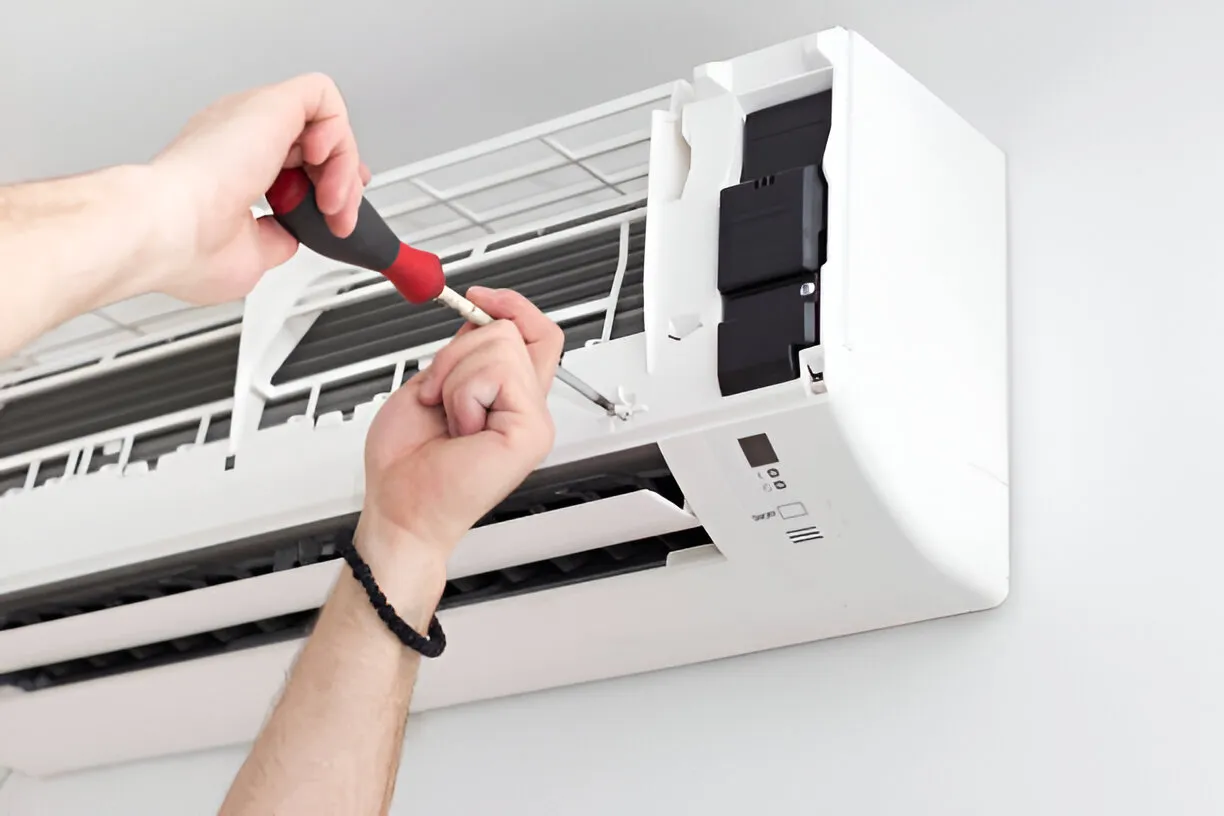
An annual air conditioning tune up is one of the most important investments Lafayette homeowners can make to keep cooling systems reliable and efficient through hot Front Range summers. A professional pre-season tune-up identifies small problems before they become breakdowns, restores peak performance, and reduces the strain that Colorado’s dry, dusty climate and wide temperature swings place on HVAC equipment.
Why a tune-up matters for Lafayette homes
Lafayette experiences warm, sometimes intense summer heat, frequent spring pollen, and an occasional wildfire smoke season. These regional factors increase dust, pollen, and airborne particulates that foul coils and filters, reduce airflow, and force compressors to run longer. A tune-up before the cooling season:
- Improves cooling performance during hot days and cool nights common to higher elevation living
- Reduces the risk of mid-summer failures when repair wait times can be longer
- Helps maintain indoor air quality when pollen and smoke are present
- Extends equipment life by minimizing wear on motors, belts, and compressors
Focused seasonal readiness checklist
A thorough AC tune-up follows a consistent, professional checklist focused on seasonal readiness for Lafayette conditions:
- Visual system inspection — exterior condenser and interior air handler reviewed for damage, corrosion, or animal nests
- Belts and motors — inspect, tighten, and lubricate bearings where applicable to prevent premature wear
- Refrigerant check — measure pressures and temperatures to confirm proper charge and identify slow leaks or inefficiencies
- Condenser and evaporator coil cleaning — remove dirt, pollen, and debris that reduce heat transfer and lower efficiency
- Airflow and duct checks — measure airflow, check return and supply vents, and inspect visible ductwork for obvious leaks or disconnections
- Thermostat and controls testing — verify calibration, cycle sequences, and clean or tighten electrical connections
- Electrical safety checks — test capacitors, contactors, breakers, and wiring for proper operation and safety
- Drain line and pan inspection — clear condensate lines and check for blockages that can cause water damage or mold
- System performance test — measure temperature split, runtime, and overall system behavior under load
Common AC tune-up issues in Lafayette, CO
- Clogged coils and filters from spring pollen and dust, reducing cooling capacity
- Low refrigerant often due to slow leaks; symptoms include longer run times and insufficient cooling
- Worn motor bearings or belts after several seasons, leading to noisy operation or failure
- Restricted airflow from dirty filters, closed vents, or partially collapsed ducts in older homes
- Thermostat miscalibration after battery changes or wiring disturbances, causing short cycling or poor temperature control
- Outdoor unit debris — landscaping, mulch, or storage close to the condenser can obstruct airflow
What to expect during a professional tune-up
A quality tune-up is methodical and transparent. Typical stages and what they accomplish:
- Pre-inspection & safety checks (10–15 minutes)
Confirm power off, visually inspect equipment, and note any immediate safety concerns. - Cleaning stage (15–30 minutes)
Clean or replace filters if needed, and remove debris from the condenser and coils to restore heat transfer efficiency. - Mechanical/ electrical inspection (15–25 minutes)
Test capacitors, contactors, motors, belts, and electrical connections; tighten or replace components as necessary. - Refrigerant & performance testing (15–20 minutes)
Check system pressures and temperatures, verify refrigerant levels, and look for indicators of leaks or charge issues. - Controls and thermostat calibration (5–10 minutes)
Verify programming, cycle the system, and ensure sensors and controls are accurate. - Final system run and report (5–10 minutes)
Observe cooling performance, measure temperature differential, and provide a summary of findings and recommended next steps.
Most standard tune-ups are completed within about 60 to 90 minutes. More comprehensive diagnostics or older systems that require additional cleaning, duct checks, or minor repairs may take longer.
Repairs, parts, and cost factors (what influences price)
While every home and system is different, tune-up time and any additional repairs depend on:
- Age and model of the AC unit and whether parts are readily available
- Level of coil fouling or presence of contaminants like smoke residue
- Need for refrigerant recharge or leak repair
- Accessibility of the unit (ground-level versus rooftop or tight mechanical closets)
- Any required electrical component replacements or duct repairs
Because local climate and home construction vary across Lafayette neighborhoods, these factors influence the scope of work and required parts. Homeowners are best served by a clear, itemized inspection report after the tune-up that explains any recommended repairs and why they are needed.
Energy and performance benefits of a pre-season tune-up
- Improved efficiency: Clean coils, correct refrigerant levels, and unrestricted airflow reduce run times and energy waste.
- Consistent comfort: Properly calibrated thermostats and balanced airflow keep temperature swings to a minimum.
- Longer equipment life: Reducing mechanical stress on motors and compressors adds seasons to your system’s usable life.
- Fewer emergency breakdowns: Identifying worn components early prevents costly and inconvenient mid-summer failures.
- Better indoor air quality: Clean filters and coils lower the circulation of dust, pollen, and particulates, which is important during Lafayette’s pollen season and occasional wildfire smoke events.
Homeowner recommendations to keep your system running efficiently
- Change or clean filters every 1–3 months during peak use and more often if pollen or pets are present.
- Keep at least 2–3 feet of clearance around the outdoor condenser; trim plants and remove mulch or debris that restrict airflow.
- Shade the condenser from afternoon sun where practical without obstructing airflow — cooler outdoor air improves efficiency.
- Program thermostats for gradual setpoints, and use setback strategies during cooler evenings common in higher-elevation communities.
- Schedule annual pre-season tune-ups in spring before peak cooling demand begins, and consider a mid-season check if summers are especially dusty or smoky.
- Inspect visible ductwork for gaps and seal or insulate duct runs in unconditioned spaces to maintain system efficiency.
Promotions
Save on seasonal system checks from a local team that treats your home like our own.

Testimonials
Neighbors trust Quality Heating & Air for honest work and fair pricing.