
Air Conditioning Repair in Lafayette, CO
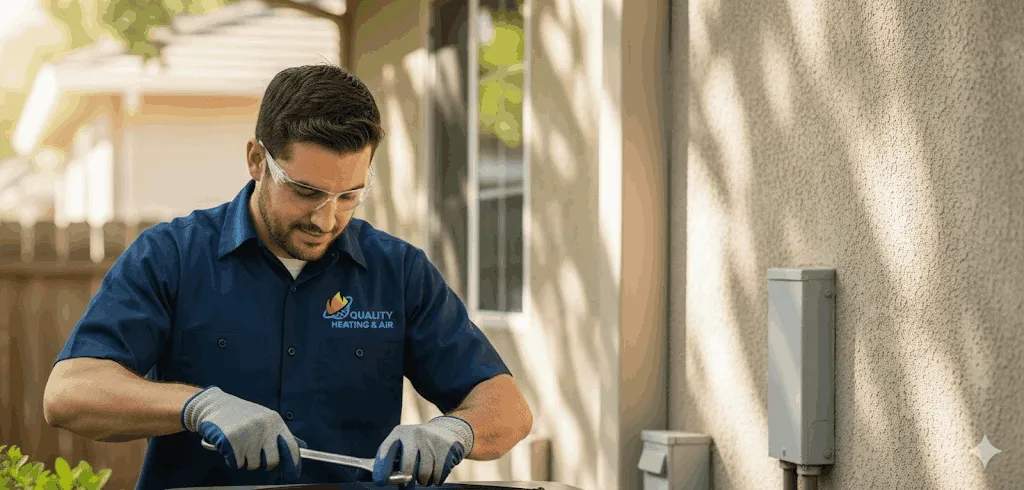
Air Conditioning Repair in Lafayette, CO
Keeping your home comfortable during Lafayette summers means a reliable air conditioner. When an AC fails or underperforms, it is often urgent: rising indoor temperatures, poor air quality, or unexpected breakdowns are more than inconvenient.
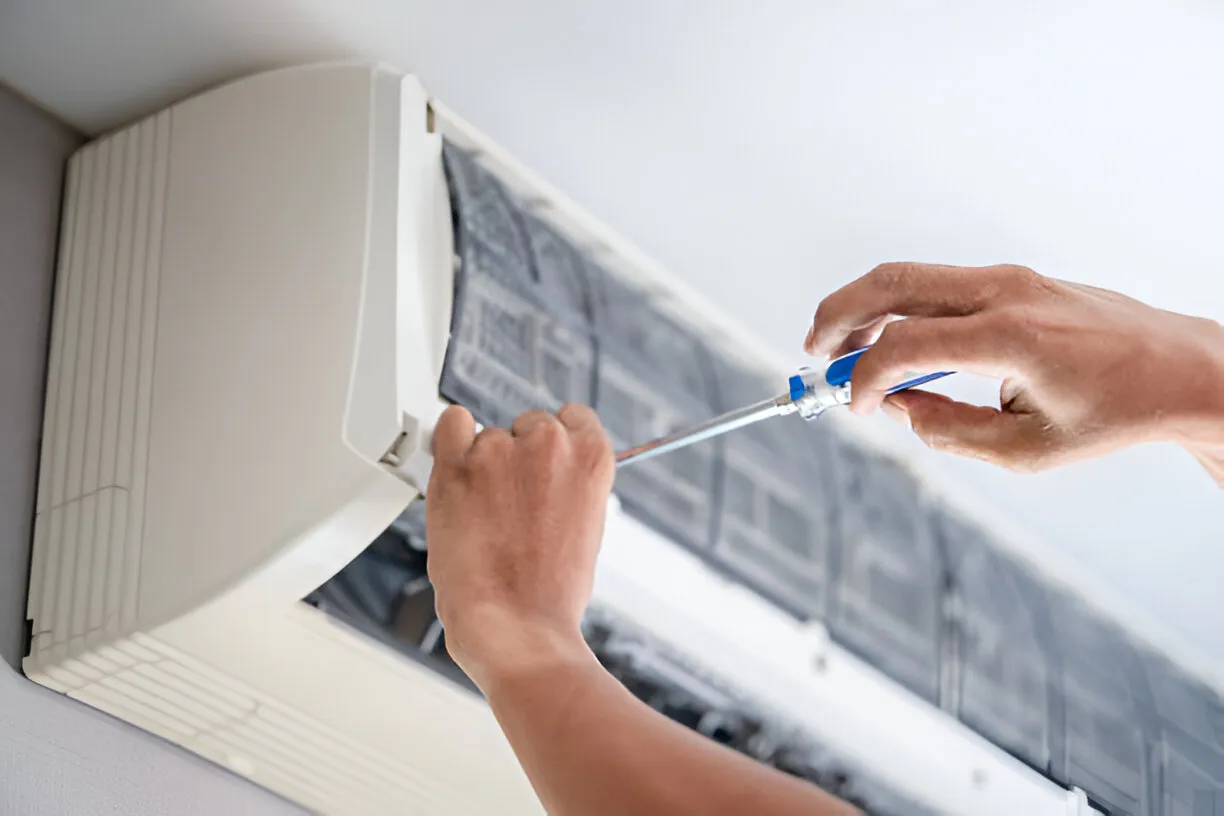
Why Lafayette homes need prompt AC repair
Lafayette sits on the Front Range at higher elevation with hot, dry summers and sudden afternoon storms. That climate puts distinct stress on air conditioning systems: extended daytime run times, frequent on/off cycling during temperature swings, and dust or pollen buildup that restricts airflow. Older homes or systems with undersized ductwork will show problems sooner. Timely repair restores comfort, prevents collateral damage (frozen coils, burned-out compressors, water damage), and preserves system efficiency.
Common AC symptoms and likely causes
Recognizing symptoms early helps target the right repair. Typical signs and what they usually mean:
- No cooling or not enough cold air
- Causes: dirty air filters, restricted airflow, low refrigerant, compressor failure, thermostat faults.
- Intermittent cooling or short cycling
- Causes: faulty thermostat, clogged airflow, improper refrigerant charge, failing compressor or control board.
- Frozen evaporator coils
- Causes: low refrigerant, restricted return airflow, dirty coils, malfunctioning blower motor.
- Warm air blowing from vents
- Causes: compressor electrical failure, reversing valve on heat pump stuck, disconnected line set, or insufficient refrigerant.
- Loud or unusual noises from outside unit
- Causes: failing compressor bearings, loose fan blades, motor issues, refrigerant flow noise indicating internal restriction.
- Refrigerant leaks
- Causes: aging copper lines, corrosion at fittings, failed brazed joints, or damage from yard work.
- Electrical failures or tripped breakers
- Causes: worn contactors, bad capacitors, damaged wiring, control board faults.
- Water leaks or poor drainage
- Causes: clogged condensate drain, broken condensate pump, disconnected drain pan.
Diagnostic process: how a professional finds the root cause
A systematic, safety-first diagnostic process separates quick fixes from major repairs. Typical steps:
- Preliminary assessment
- Confirm customer-described symptoms and any recent changes. Visual safety check of panels and wiring.
- Airflow and filter inspection
- Check return grilles, filters, blower wheel, and ductwork for restrictions and pressure drops.
- Electrical tests
- Measure voltage and amperage on motors, capacitors, contactors, and compressor to spot failing components.
- Refrigerant and pressure check
- Read refrigerant pressures under load and calculate superheat/subcooling to determine charge and leaks.
- Coil and heat-exchanger inspection
- Inspect evaporator and condenser coils for dirt, corrosion, or physical damage.
- Leak detection and pressure testing
- Use electronic detectors, UV dye, or nitrogen pressure testing when refrigerant loss is suspected.
- Performance verification
- Measure supply/return temperature split, airflow CFM estimates, and run the system through cycles to confirm findings.
This approach avoids unnecessary part swaps and ensures repairs fix the real problem.
Typical repair solutions and parts commonly replaced
Repair scope depends on the diagnosis. Common repairs and components:
- Replace air filters, clean evaporator and condenser coils
- Repair or replace capacitors, contactors, relays, and control boards
- Replace blower motors, condenser fan motors, and belts
- Repair or replace refrigerant line fittings, access valves, and insulated line sets
- Recover, repair, and recharge refrigerant; replace filter driers and service valves
- Replace compressors (when mechanically failed) and associated hard start kits
- Replace thermostats and upgrade controls for better accuracy
- Repair condensate drains, pans, and pumps to eliminate water leaks
- Duct sealing or minor duct repairs to restore balanced airflow
Refrigerant work is performed by EPA-certified technicians using recovery equipment and leak repair protocols. Compressor replacement and major refrigerant repairs are handled with attention to system compatibility and oil/refrigerant type.
Emergency and rapid-response options for Lafayette
AC failures often happen when temperatures spike. Rapid-response repair options typically include same-day diagnostics for urgent breakdowns, after-hours availability during heat waves, and priority scheduling for households with vulnerable occupants. Emergency triage focuses first on stabilizing the system to restore cooling or at least prevent further damage, then planning the full repair. Response times can vary with workload and parts availability, but prioritization is standard during extreme heat events.
Estimated repair timelines
Repair times depend on complexity and parts availability. Typical windows:
- Filter, thermostat, or minor electrical repairs: 1 to 3 hours
- Motor replacements, capacitor/contactors, condensate repairs: 2 to 5 hours
- Refrigerant leak repair, line set repairs: 3 to 6 hours, sometimes requiring return visits for leak verification
- Compressor replacement or major system component swaps: 4 to 8 hours, plus possible next-day work if special-order parts are needed
Technicians will perform a post-repair performance check to confirm proper airflow, temperature split, and electrical operation.
Technician certifications and safety practices
Professional repair work in Lafayette follows industry standards and safety practices:
- EPA Section 608 certification for refrigerant handling
- NATE certification or equivalent HVAC technical credentials for accurate diagnostics and repairs
- Lockout-tagout procedures and voltage verification before any electrical work
- Use of PPE, refrigerant recovery machines, vacuum pumps, and micron gauges when opening refrigeration circuits
- Nitrogen pressure testing and electronic leak detection to protect the environment and ensure long-term reliability
- Clear documentation of repairs, replaced parts, and performance readings
These practices protect your home, the equipment, and the technician while ensuring compliant refrigerant handling.
Preventing future breakdowns in Lafayette homes
Targeted maintenance reduces emergency repairs and improves efficiency in Lafayette’s climate:
- Schedule spring tune-ups before heavy summer use to catch low refrigerant, dirty coils, and worn components
- Replace air filters every 1 to 3 months during heavy use; consider higher MERV levels only if compatible with your system
- Keep at least 2 feet of clearance around the outdoor unit and remove vegetation or debris after wind or storms
- Clean condenser coils annually; dry, dusty summers lead to faster buildup
- Check and insulate refrigerant lines to maintain efficiency in high temperature swings
- Consider programmable or smart thermostats to reduce run time and short cycling
- Seal and insulate ducts in attics or crawlspaces to reduce load on the AC
Seasonal attention combined with quick repairs when problems appear extends equipment life and keeps homes comfortably cooled without repeated failures.
Promotions
Save on seasonal system checks from a local team that treats your home like our own.

Testimonials
Neighbors trust Quality Heating & Air for honest work and fair pricing.