
Air Conditioning Replacement in Lafayette, CO
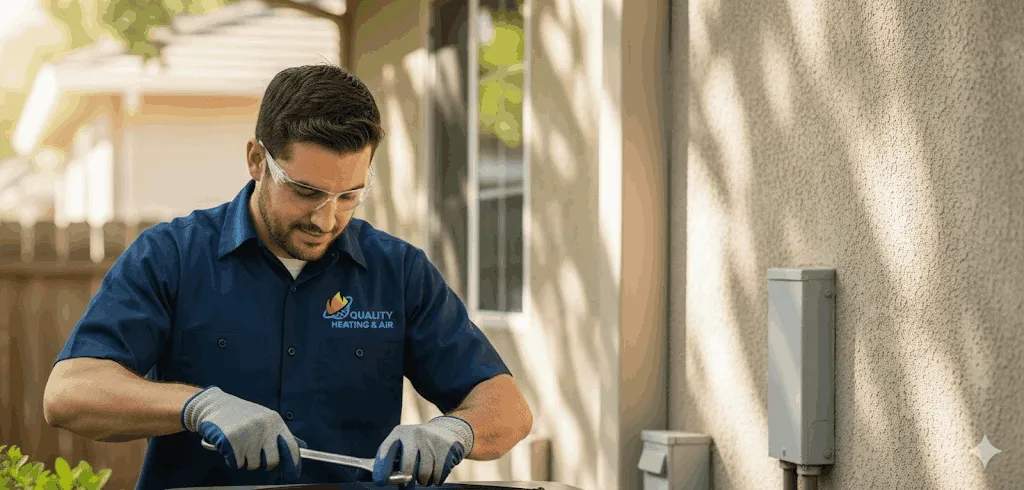
Air Conditioning Replacement in Lafayette, CO
Replacing an air conditioner is one of the most effective ways to restore reliable comfort, improve indoor air quality, and lower monthly cooling costs in Lafayette, CO homes. Whether your existing unit is failing frequently, uses outdated refrigerant, or cannot keep up with hotter summer afternoons on the Front Range, a professional AC replacement ensures the right-sized, high-efficiency system is selected and installed to meet local climate demands and energy codes.

Why Lafayette homeowners replace air conditioners
- Older systems lose efficiency and require more frequent repairs, driving operating costs higher.
- Lafayette summers feature warm, sunny afternoons and significant daily temperature swings, which increase cooling load and make comfort consistency important.
- Wildfire smoke and regional dust make upgraded filtration and properly sealed ductwork more valuable for indoor air quality.
- New federal and utility efficiency standards and incentives mean replacement can deliver measurable energy savings and potential rebates.
Common AC replacement scenarios in Lafayette, CO
- Repeated compressor failures or a unit older than 12 to 15 years
- Increasing repair costs compared with projected energy savings from a new system
- Uneven cooling, short cycling, or high humidity indoors
- Systems running on phased-out refrigerants or below current efficiency standards
- Home renovations, additions, or ductwork changes that require a new capacity calculation
How technicians evaluate aging systems
A thorough evaluation identifies whether replacement is the most cost-effective solution:
- Visual inspection of outdoor condensing unit, indoor air handler, ductwork, and thermostat.
- Performance testing: airflow measurement, refrigerant charge check, and electrical safety analysis.
- Efficiency comparison: measured performance versus expected output for system age and rating.
- Load calculation (Manual J): a room-by-room assessment that accounts for Lafayette-specific factors such as solar exposure, insulation, window orientation, and local design conditions.
- Lifecycle cost review: balancing remaining service life and repair history against potential energy savings from a modern unit.
Sizing and system selection
Correct sizing matters more than brand. Too-large units short cycle and fail to dehumidify; too-small units run continuously and cannot reach set temperatures. Key selection points:
- Manual J load calculation to determine required cooling tonnage
- Consideration of duct condition and whether duct sealing or replacement is needed
- Choice of system type: central air conditioner with matched coil and furnace, ductless mini-split for additions or rooms without ducts, or a cold-climate heat pump that provides efficient year-round heating and cooling for Colorado winters
- Efficiency ratings: modern systems are rated by SEER (Seasonal Energy Efficiency Ratio) and SEER2 standards; higher SEER typically means lower energy use
Comparing modern high-efficiency models and energy savings
Modern high-efficiency models offer:
- Variable-speed or two-stage compressors for better humidity control and quieter operation
- Higher SEER ratings that can reduce cooling energy use substantially compared with older units. Typical savings vary by house and prior system efficiency but are commonly between 20 and 40 percent.
- Improved refrigerants and tighter manufacturing tolerances that reduce leakage and improve longevity
- Compatibility with smart thermostats and zoning systems to optimize comfort and costs in Lafayette homes with varying sun exposure and thermal characteristics
Removal and proper disposal
Responsible removal follows environmental and code requirements:
- Refrigerant recovery using EPA-compliant equipment
- Proper disposal or recycling of metal and plastics
- Documentation of refrigerant handling and disposal for compliance and warranty purposes
Installation process — what to expect
- Pre-install inspection and confirm permits if required by local code.
- Disconnect and safely recover refrigerant from the old unit.
- Remove the old condenser and indoor components as needed.
- Prepare pad, electrical, and refrigerant lines; upgrade or replace the air handler coil if not matched.
- Set and secure the new outdoor unit; make electrical and refrigerant connections.
- Evacuate and charge the refrigerant to manufacturer specifications.
- Balance airflow, test controls, and perform safety checks.
- Run system performance tests and demonstrate operation to the homeowner.
- Final cleanup and proper disposal paperwork.
Financing and rebate assistance
Many Lafayette homeowners qualify for:
- Manufacturer incentive programs for high-efficiency units
- Local utility rebates through energy providers for qualifying upgrades or heat pump installations
- Federal or state energy tax credits that may apply to certain efficient equipment typesTechnicians often provide documentation and specification sheets needed to apply for rebates and tax incentives and can explain typical eligibility requirements.
Warranty options and long-term reliability
Replacement equipment typically comes with:
- Manufacturer warranties on parts and compressors (common options include 5 to 10 years or longer for registered products)
- Optional extended warranties or labor guarantees for installation work
- Recommendations for routine maintenance plans to preserve warranty coverage and system performance
Expected improvements after replacement
- More consistent indoor temperatures, even on hot afternoons and cool nights
- Lower monthly cooling bills due to improved efficiency
- Better humidity control and quieter operation
- Improved indoor air quality when paired with upgraded filtration, UV, or ventilation controls
- Reduced repair calls and longer expected trouble-free service life
Transition guidance from old to new
- Schedule replacement before peak summer to avoid downtime during hottest months
- If immediate comfort is needed during installation, plan temporary cooling (fans, portable units) for critical rooms
- Preserve service records and warranty documentation and register new equipment promptly
- Consider upgrading thermostats and adding zoning for better long-term control and savings
Maintenance and maximizing your investment
- Annual tune-ups ensure the system operates at peak efficiency and prolong equipment life
- Replace filters regularly and inspect duct sealing to reduce energy loss and maintain IAQ — especially important in Lafayette during dusty or smoky periods
- Keep outdoor unit clear of debris and vegetation; maintain proper airflow around the condenser
- Monitor monthly energy use to verify expected savings and spot issues early
Replacing your air conditioner in Lafayette, CO is a strategic investment in comfort, efficiency, and indoor air quality. A careful evaluation, correct sizing, responsible disposal, and professional installation tailored to local climate conditions deliver the best results for long term savings and reliable performance.
Promotions
Save on seasonal system checks from a local team that treats your home like our own.

Testimonials
Neighbors trust Quality Heating & Air for honest work and fair pricing.