
Air Conditioning Installation in Lafayette, CO
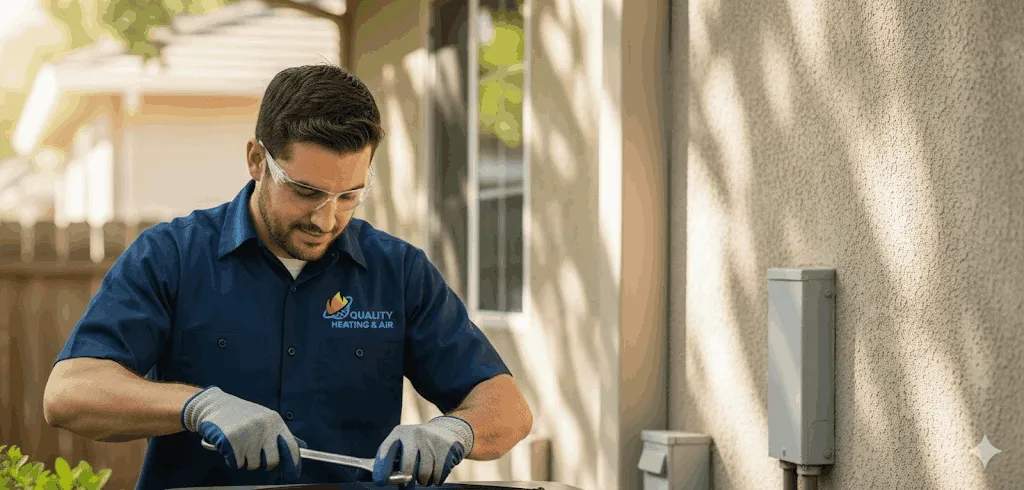
Air Conditioning Installation in Lafayette, CO
Replacing or installing a new air conditioning system is one of the most impactful upgrades you can make for comfort, energy bills, and indoor air quality. For Lafayette, CO homeowners, the right installation accounts for local climate patterns, elevation, and indoor air needs to deliver consistent cooling during hot summer afternoons and efficient performance during dramatic temperature swings.
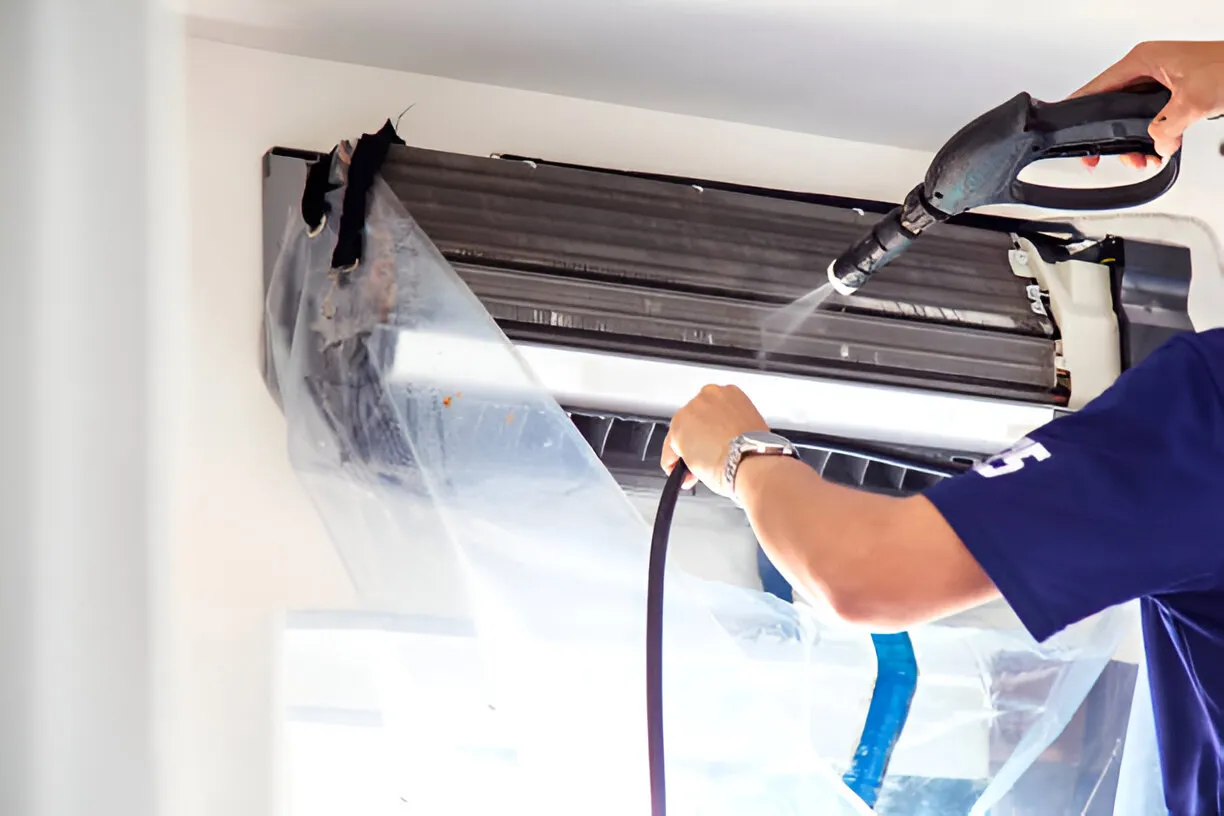
Why a professional installation matters in Lafayette, CO
- Accurate sizing prevents short cycling and inefficient operation in homes at 5,000 plus feet elevation.
- Proper refrigerant charge and airflow adjustments offset performance differences caused by thinner air.
- Lafayette’s dry climate, seasonal dust, and occasional wildfire smoke mean air filtration and duct sealing are important parts of long-term system performance and indoor air quality.
Common air conditioning installation needs and issues in Lafayette, CO
- Aging or unreliable central AC units that struggle during heat waves
- Undersized systems installed years ago when the home’s layout or insulation was different
- Inadequate ductwork, leaks, or poor airflow that reduce cooling efficiency
- Need for energy-efficient replacements to lower summer electric bills
- Desire for zoned cooling, smart thermostats, or ductless options for additions and finished basements
Initial assessment and load calculations
A thorough installation begins with a home assessment and Manual J load calculation.
- Home walkthrough: Inspect insulation levels, window orientation, attic conditions, and existing duct layout.
- Manual J load calculation: Determine the exact cooling load based on Lafayette specifics such as elevation, solar gain, and building envelope.
- Duct evaluation: Test for leakage, measure static pressure, and identify restricted runs that need repair or balancing.
- Electrical check: Verify panel capacity, breaker sizing, and disconnect location to confirm the home can safely support the selected unit.
These steps ensure you select a unit that matches your home rather than relying on rule-of-thumb sizing that leads to poor comfort and higher costs.
Choosing the right, energy-efficient system
Selecting the correct system balances efficiency, capacity, and long-term reliability.
- Energy efficiency: Look for high SEER ratings for central systems to reduce cooling costs during Lafayette summers.
- Trusted brands: Carrier, Trane, Lennox, Daikin, Amana and others provide proven options across price and performance tiers.
- System types: Central AC for whole-house cooling, heat pump systems for combined heating and cooling, or ductless mini splits for room-specific comfort.
- Features to consider: Variable-speed compressors, two-stage operation, matched indoor coils, and smart thermostat compatibility for optimized performance and humidity control.
A properly matched indoor coil, ductwork, and thermostat are as important as the outdoor unit to realize advertised efficiency.
Step-by-step professional installation overview
- Permitting and planning
- Obtain any required permits from Lafayette or Boulder County authorities and document equipment specifications for code compliance.
- Old equipment removal and disposal
- Safely recover refrigerant, disconnect electrical and refrigerant lines, and dispose of or recycle the old condenser and air handler per local regulations.
- Ductwork repairs and modifications
- Seal leaks, insulate accessible ducts, and resize or add returns where needed to ensure balanced airflow.
- Condenser and air handler placement
- Site the outdoor unit on a level pad with proper clearance for airflow and service access; position indoor equipment to optimize duct runs and condensate drainage.
- Electrical hookup and safety
- Install dedicated circuit, disconnect, and ground per code; verify wire gauge and breaker sizing before energizing.
- Refrigerant charging and system matching
- Charge refrigerant to manufacturer specifications, accounting for elevation and line set length; verify matched indoor coil and blower settings.
- Thermostat installation and controls
- Install a compatible thermostat, configure zoning if present, and integrate smart or multi-stage controls where applicable.
All work should be documented and compliant with local building codes.
Permitting, warranties, and disposal
- Permits: Many Lafayette installations require permits and inspections to ensure code compliance and utility rebates. Professional installers handle permit submission and scheduling.
- Warranties: Manufacturer warranties typically cover the compressor and parts; labor warranties vary by installer. Confirm warranty terms on both equipment and workmanship before purchase.
- Responsible disposal: Refrigerant recovery and recycling of old units protect the environment and comply with federal and state regulations.
Post-installation testing and verification
A thorough testing protocol confirms peak performance.
- Airflow and static pressure measurements to ensure proper CFM across the system
- Refrigerant charge verification and superheat/subcooling checks tailored to elevation
- Temperature split testing to verify expected supply and return differentials
- Electrical load checks and safety device verification
- Thermostat calibration and system cycling tests under simulated load
These tests identify any final adjustments so the system delivers efficient, reliable cooling from day one.
Timeline, transparency, and pricing expectations
- Typical timeline: Most residential installations complete in one to three days depending on ductwork scope and permit timelines.
- Pricing transparency: A clear estimate should break down equipment, labor, permits, and any duct or electrical upgrades so you understand the scope and cost components.
- Financing and rebates: Ask about local utility rebates, state incentives, or manufacturer promotions that can improve payback on higher efficiency systems.
Maintenance, longevity, and what homeowners should expect
Regular maintenance preserves efficiency and extends service life.
- Recommended schedule: Annual tune up before cooling season including coil cleaning, refrigerant check, and safety inspections.
- Simple homeowner tasks: Replace filters on schedule, keep condenser clear of debris, and maintain consistent thermostat settings.
- Performance signs to watch for: Rising energy bills, uneven cooling, short cycling, or unusual noises indicate it may be time for service.
Why proper installation matters for Lafayette homes
A correctly installed, properly sized, and well-matched air conditioning system provides better comfort, longer equipment life, and lower energy costs—especially important in Lafayette where elevation and local climate can affect cooling performance. Professional load calculations, attention to ductwork, accurate refrigerant charging, and thorough testing ensure the system runs as intended and that warranty protections remain valid.
Proper installation is an investment in predictable comfort and efficiency for your home. Regular maintenance and attention to local conditions help protect that investment for years to come.
Promotions
Save on seasonal system checks from a local team that treats your home like our own.

Testimonials
Neighbors trust Quality Heating & Air for honest work and fair pricing.