
Water Heater Replacement in Henderson, CO
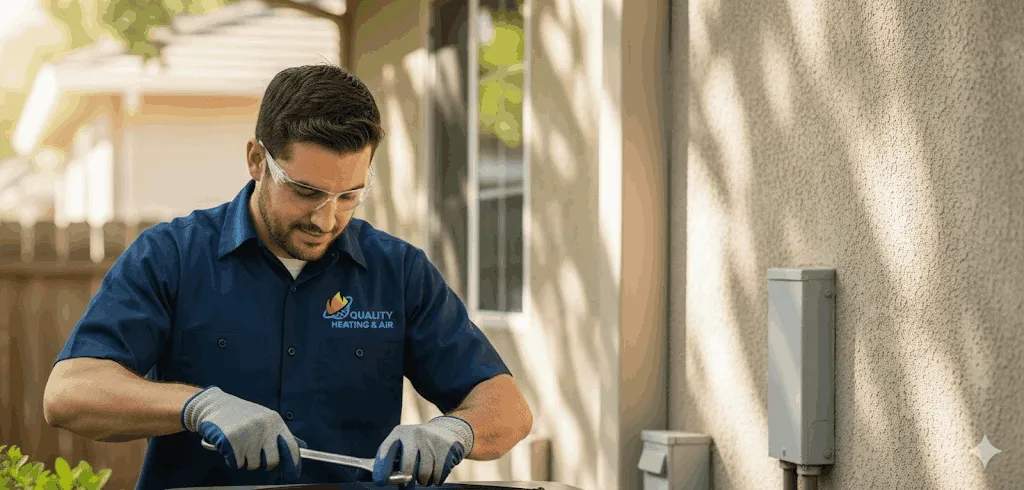
Water Heater Replacement in Henderson, CO
Replacing a failing water heater is one of the most effective ways to restore reliable hot water, improve energy efficiency, and avoid costly emergency repairs. In Henderson, CO homes the combination of cold winters, seasonal high demand, and local water quality can accelerate wear on aging units.

Why timely water heater replacement matters in Henderson, CO
Cold mornings and heavy winter use put extra strain on older water heaters. Sediment from moderately hard water in the Denver metro area reduces efficiency and can cause early tank corrosion or element failure. Replacing a unit before it fails prevents ruptures, reduces energy waste, and often delivers immediate comfort improvements and lower utility bills.
Common signs a unit needs replacement
Look for these issues that commonly indicate replacement is the best long-term solution:
- Frequent leaks or pooled water around the tank
- Rust-colored or poorly heated water despite repairs
- Repeated burner, pilot, or element failures
- Strange noises (rumbling, popping) from sediment buildup
- Age over 10 years for conventional tanks or over 12-15 years for tankless units
- Decreased hot water capacity or long recovery times
- Rising energy bills without other explanations
Evaluation and recommendation process
A thorough on-site evaluation helps determine whether repair or replacement best meets your needs. A professional assessment typically includes:
- Visual inspection for corrosion, leaks, and venting issues
- Fuel type and venting review (gas, electric, or hybrid)
- Water heater capacity and household hot water demand analysis
- Measurement of water temperature, pressure, and sediment level
- Estimation of remaining useful life and repair cost vs replacement value
- Review of energy use and projected operating costs for replacement options
From that assessment a clear recommendation will identify the right size and technology for your Henderson home and explain the expected lifecycle and operating costs.
Selecting energy-efficient replacement options
Energy-efficient choices depend on household patterns, fuel availability, and installation constraints. Common options include:
- Conventional tank water heaters
- Best when upfront cost is a priority and space is limited
- Modern high-efficiency tanks offer improved insulation and longer warranties
- Typical service life 8-12 years
- Tankless (on-demand) water heaters
- Provide endless hot water and save energy by eliminating standby losses
- Require proper sizing by flow rate (GPM) and may need upgraded gas line or venting
- Typical service life 15-20 years for quality units
- Heat pump (hybrid) water heaters
- Most efficient electric option in moderate spaces, can lower energy use significantly
- Require adequate space and moderate ambient air temperatures for best performance
- Often qualify for utility or federal incentives for energy-efficient installations
- High-efficiency condensing gas units
- Capture heat from exhaust gases for improved efficiency
- Useful where natural gas is the preferred fuel and venting can be adapted
When selecting, consider:
- Household peak demand (how many showers, appliances running concurrently)
- Installation location (garage, crawl space, utility closet) and clearance
- Local climate impacts on heat pump performance
- Water hardness and need for pre-treatment to protect components
Removal and environmentally responsible disposal
Proper removal protects your home and the environment:
- Water is drained and neutralized following safety standards
- Old refrigerants and components from hybrid units are reclaimed
- Tanks and metal parts are recycled whenever possible
- Hazardous materials are disposed of according to Colorado regulations
Responsible disposal reduces landfill waste and may comply with local recycling programs.
Installation steps and typical project timelines
A standard replacement follows these steps:
- Site preparation and safety checks
- Disconnecting and draining the old unit
- Inspecting and prepping venting, gas lines, electrical, and water piping
- Installing the new unit with required fittings, pressure-relief, and expansion tank if needed
- Startup, combustion and leak testing, and user orientation
Typical timelines:
- Standard tank replacement: most residential jobs completed in 4-8 hours
- Tankless installations: 1 day (may be longer if gas line, venting, or electrical upgrades are needed)
- Hybrid heat pump systems: half day to one day depending on location and ducting/clearance needsMore complex retrofits or necessary code upgrades can extend the project to 1-2 days.
Available rebates, incentives, and financing options
Many Henderson and Colorado homeowners can access incentives:
- Utility rebates for energy-efficient models or heat pump water heaters
- State and federal tax credits or incentives for qualifying high-efficiency equipment
- Manufacturer rebates or trade-in programs for older systems
- Flexible financing plans to spread upfront costs while capturing energy savings
Eligibility and amounts change over time. A pre-installation evaluation will identify current programs and outline potential savings and payback estimates for your chosen equipment.
Expected energy and cost savings and warranties
Replacing an old, inefficient tank often yields immediate savings. While results vary, homeowners replacing units older than 10 years can expect:
- Reduced energy use of 10-30% with a modern high-efficiency tank
- Larger savings, often 20-50% on energy used for water heating, when switching to tankless or heat pump systems depending on usage patternsWarranties typically range:
- Conventional tanks: 6-12 year manufacturer warranties on the tank or major components
- Tankless units: 10-15 year warranties on heat exchangers and shorter parts warranties
- Hybrid/heat pump: manufacturer warranties typically 5-10 yearsLabor or installation warranties commonly range from 1-5 years depending on installer policy.
Maintenance and long-term reliability
Regular maintenance extends life and performance:
- Annual inspection and flushing to remove sediment in tank systems
- Descaling tankless units periodically in areas with hard water
- Checking pressure-relief valves and anode rods
- Verifying venting and combustion on gas units
Well-maintained systems remain efficient longer and preserve warranty coverage.
Promotions
Save on seasonal system checks from a local team that treats your home like our own.

Testimonials
Neighbors trust Quality Heating & Air for honest work and fair pricing.