
Water Heater Installation in Henderson, CO
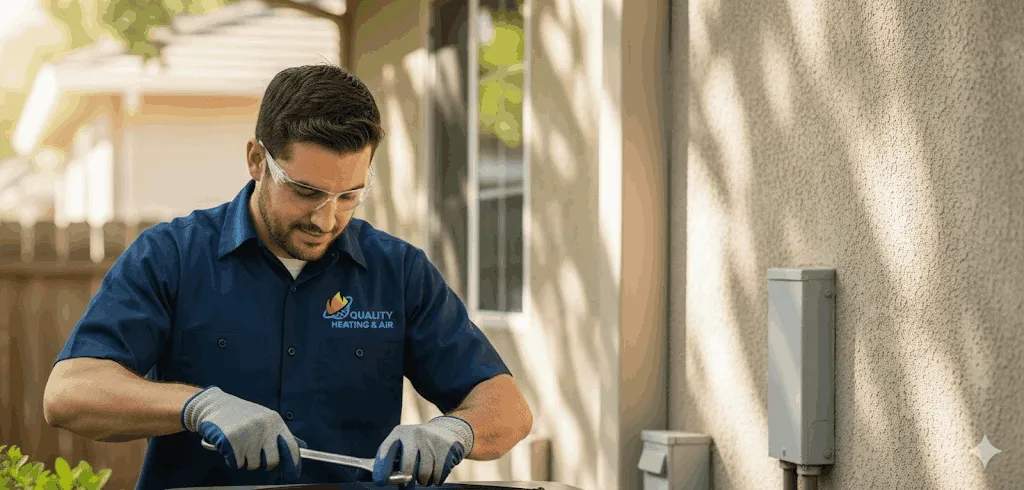
Water Heater Installation in Henderson, CO
Installing or replacing a water heater is one of the most important home upgrades for comfort and energy savings in Henderson, CO. Whether your existing unit is failing, you want lower utility bills, or you need more consistent hot water for a growing household, a professional water heater installation tailored to local conditions ensures safe operation, code compliance, and long-term performance.
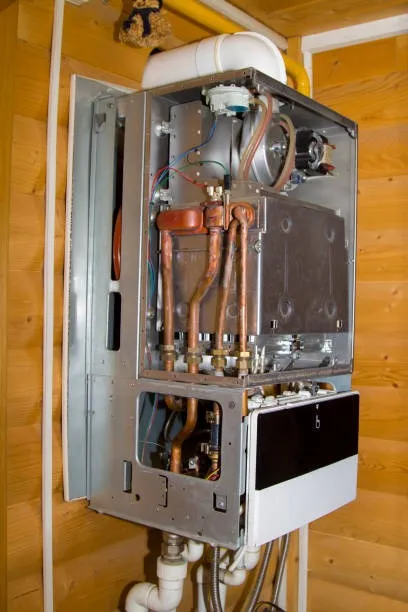
Why a local, professional installation matters in Henderson, CO
Henderson’s semi-arid climate, cold winter groundwater temperatures, and Denver-area elevation affect how water heaters perform. Colder incoming water reduces the effective output from tankless units unless sized for Colorado conditions. Gas-fired appliances need high-altitude adjustments and proper venting. Local installers account for these factors, pull required permits, and follow county and state plumbing and mechanical codes so your system operates safely and efficiently.
Common water heater needs and issues in Henderson, CO
- Insufficient hot water for multiple simultaneous uses (showers, dishwasher, laundry)
- Rising energy bills due to inefficient, aging tanks
- Leaks, corrosion, or failed thermostats in older units
- Mineral scaling in tankless systems or reduced heater lifespan from hard water
- Improper venting or combustion problems in gas units at higher elevation
- Need for permits and compliance when replacing or upsizing equipment
Types of water heaters and how to choose for Henderson homes
- Tank (storage) water heaters: Reliable for backup capacity and high first-hour availability. Ideal when space is limited and immediate hot-water volumes are needed. Choose a capacity based on household size: 30–40 gallons for 1–2 people, 40–50 gallons for 2–3, and 50–80+ gallons for larger families or heavy simultaneous use.
- Tankless (on-demand) water heaters: Offer continuous hot water and lower standby losses. In Henderson, a tankless must be sized for colder incoming water and possible altitude-related derating. Typical homes need 6–8 GPM for single- or multi-fixture use; larger homes may require multiple units or a hybrid system.
- Heat pump (hybrid) water heaters: Highly energy-efficient in moderate conditions; they recover heat from surrounding air and can significantly lower operating costs. Appropriate where garage or utility room space provides adequate ambient air.
- Condensing/high-efficiency gas units: Best where gas is preferred and high first-hour recovery is necessary. Secondary heat exchangers increase efficiency but require proper venting and condensate management.
Keywords to evaluate: first-hour rating (tank), flow rate/GPM (tankless), Uniform Energy Factor (UEF), energy-efficient water heaters in Henderson, CO.
Home assessment and hot-water demand calculations
A thorough pre-install assessment includes:
- Inventory of fixtures, showerheads, and appliances to calculate peak simultaneous demand (GPM).
- Review of household habits (length of showers, frequency of laundry/dishwashing).
- Measurement of incoming cold water temperature to factor into tankless sizing and recovery needs.
- Evaluation of available fuel type (natural gas, propane, electric) and venting/space constraints.This assessment produces a recommended capacity or GPM target and identifies any additional work—new gas lines, venting, electrical upgrades, or water-treatment needs.
Permits, codes, and manufacturer requirements
Replacing or upgrading a water heater in Henderson requires compliance with Colorado plumbing and mechanical codes and local permitting. Professional installers will:
- Pull building and plumbing permits as required by the local jurisdiction
- Ensure installation meets manufacturer clearances, venting, seismic or strapping rules, and relief valve discharge requirements
- Account for high-altitude gas adjustments and combustion air provisionsFollowing code and manufacturer instructions preserves warranty coverage and ensures safe, reliable operation.
Step-by-step professional installation process
- Pre-install inspection and final equipment selection based on assessment.
- Permit acquisition and scheduling.
- Preparation: drain and disconnect the old unit, cap utilities, and clear work area.
- Rough work: adjust gas or electrical service, install new venting or condensing lines, add expansion tank or pressure-reducing valve if required.
- Unit installation: secure tank or mount tankless unit, connect water lines, gas or electrical connections, and install T&P valve and proper discharge piping.
- Commissioning: pressurization, leak checks, combustion analysis for gas-fired appliances, test thermostats, set temperature (commonly recommended at 120°F), and program controls.
- Final inspection and documentation: register manufacturer warranty if required and provide homeowner orientation on operation and maintenance.
A straightforward like-for-like tank replacement often takes half a day; conversions, complex venting, or multi-unit tankless systems can take a day or more and may require inspector signoff.
Sizing guidance and local considerations
- Tank sizing: use first-hour rating to meet peak demand; larger households or homes with long showers may need 50–80 gallon tanks.
- Tankless sizing: calculate required GPM at desired temperature rise. Because Henderson’s groundwater is colder in winter, account for higher temperature rise, which reduces output GPM—often necessitating a larger model or multiple units.
- Altitude: installers will choose or adjust gas appliances to compensate for elevation to maintain safe combustion and manufacturer warranty requirements.
- Hard water: many area homes have mineral content that accelerates scaling. For tanks, sacrificial anode maintenance matters; for tankless units, annual descaling or a water softener is often recommended.
Brands and warranties
Leading water heater manufacturers (Rheem, AO Smith, Bradford White, Rinnai, Navien and others) offer diverse options for tank, tankless, and heat pump technologies. Warranties vary by model and component—check manufacturer terms for tank versus heat exchanger coverage and what routine maintenance is required to keep warranties valid. A professional installer will explain specific warranty lengths and registration steps.
Post-installation testing and maintenance tips to maximize lifespan and efficiency
- Verify operation and leak-free connections after startup.
- Set and document thermostat temperatures; avoid overheating to reduce scald risk and energy waste.
- Tank maintenance: flush the tank annually to remove sediment, inspect and replace the anode rod every few years in hard water areas, and test the temperature-pressure relief valve.
- Tankless maintenance: perform annual descaling and filter checks; more frequent service is needed where water hardness is high.
- Insulate hot water lines and the first 6–10 feet of run to reduce standby losses.
- Consider low-flow fixtures to reduce demand and improve the performance of smaller systems.
Long-term benefits of a professional installation in Henderson
A properly assessed and installed water heater improves comfort, lowers energy use, reduces emergency failures, and protects your investment through code-compliant work and preserved warranties. Accounting for Henderson’s colder groundwater, elevation, and regional water quality during selection and installation ensures reliable hot water year-round with the best-fit technology for your home.
Promotions
Save on seasonal system checks from a local team that treats your home like our own.

Testimonials
Neighbors trust Quality Heating & Air for honest work and fair pricing.