
Water Heater Replacement in Broomfield, CO
Water Heater Replacement in Broomfield, CO
Replacing a water heater is one of the most effective ways to improve comfort, reduce energy costs, and avoid disruptive failures. In Broomfield, CO, seasonal temperature swings, cold winters, and moderately hard municipal water make timely replacement and the right equipment choice especially important.
When to consider water heater replacement
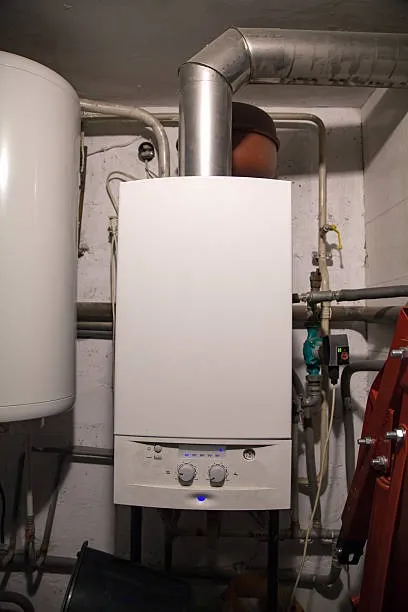
Watch for clear signs that your water heater is ready to be replaced rather than repaired. Common indicators include:
- The unit is approaching or past its expected service life (most tanks last 8–12 years; tankless units often last longer).
- Repeated repairs are required or repair costs are rising.
- Visible rust, corrosion, or active leaking at the tank or fittings.
- Brown or metallic-tasting water, which signals internal corrosion.
- Reduced hot water availability or longer recovery times.
- Increasing energy bills tied to hot water use despite normal usage patterns.
- Loud rumbling noises caused by sediment buildup in the tank.
In Broomfield, freeze cycles and hard water accelerate wear on tanks and valves. If your water heater is located in an unheated garage or crawl space, cold-weather stress can shorten its useful life, making replacement a more urgent consideration.
How we evaluate your existing equipment
A proper evaluation looks beyond age and visible damage to diagnose root causes and recommend the right replacement. Typical inspection points include:
- Confirming unit age and model from serial numbers.
- Checking for external leaks, tank bulging, and corrosion.
- Testing the temperature and pressure relief (T&P) valve.
- Inspecting venting, combustion air supply, and flue condition for gas units.
- Assessing sediment level and anode rod condition (for tanks).
- Verifying gas line size or electrical circuit capacity for high-efficiency or tankless options.
- Measuring hot water demand (family size, fixtures, peak simultaneous use) to size new equipment correctly.
- Reviewing energy bills and efficiency ratings to identify savings potential.
This comprehensive assessment clarifies whether repair is feasible and cost-effective or if replacement will deliver better reliability and long-term savings.
Energy-efficient replacement options for Broomfield homes
Choosing the right replacement depends on fuel availability, space, and your household’s hot water needs. Energy-efficient paths to consider:
- Heat pump (hybrid) water heaters: Highly efficient in most installations and often the lowest operating-cost option. In Broomfield they perform best in conditioned or semi-conditioned spaces; in unheated garages during winter their efficiency can decline, so location matters.
- High-efficiency condensing gas tanks: A good option where natural gas is available and for homes with colder installations where heat pumps aren’t suitable.
- Tankless (on-demand) heaters: Provide continuous hot water and reduce standby losses. Condensing tankless models offer high efficiency and are well suited for cold climates when properly sized.
- Well-insulated electric storage tanks: Simpler replacements for homes without gas supply; modern tanks with improved insulation and elements can still be efficient for certain usage patterns.
- Solar-ready systems or integration: Broomfield’s strong solar resource makes solar water heating an attractive supplement or preheat option when combined with a high-efficiency backup.
Selecting a system also involves sizing (gallons for tanks; flow rate and temperature rise for tankless) and considering upgrades like expansion tanks, improved venting, and water-treatment if hard water is present.
Removal, disposal, and environmental considerations
Professionals follow safe procedures to remove and dispose of old units while minimizing disruption and environmental impact:
- Securely disconnect gas, electric, and water connections and drain the unit.
- Remove and recycle the old tank or unit in accordance with local regulations; refrigerant recovery is required for heat pump models.
- Address residual water and sediment, protect flooring and landscaping during removal, and properly dispose of anode rods and other components.
- Offer recycling documentation and guidance on any hazardous-material handling that may be required by local ordinances.
Proper disposal not only meets code but reduces risk of contamination and ensures compliance with Broomfield and state waste rules.
Typical installation process and timeline
A professional installation usually follows these steps:
- Pre-install assessment and sizing, including permit-check and utility verification.
- Equipment delivery and site preparation (clear access, confirm venting/electrical/gas needs).
- Removal of the old unit and preparation of connections.
- Installation of new unit, including required venting, gas or electrical hookups, and safety devices.
- Commissioning: leak checks, combustion analysis for gas units, flow testing for tankless, thermostat calibration, and homeowner orientation.
- Permit sign-off and paperwork for warranties and rebates.
Timeline: standard tank water heater replacements are often completed in a single day; more complex installs (condensing gas, tankless, heat pump, or work requiring plumbing or electrical upgrades) may extend the timeline. Permit processing can add time depending on local inspection schedules.
What affects your cost
Rather than a list of prices, understand the main cost drivers:
- Type and efficiency level of the replacement unit selected.
- Labor complexity including removal, venting, gas or electrical upgrades, and site access.
- Required permits, inspections, and code-related upgrades.
- Disposal and recycling fees.
- Optional add-ons such as water softeners, expansion tanks, seismic straps, or smart controls.
Knowing these categories helps you compare estimates on an apples-to-apples basis and evaluate long-term operating costs, not just upfront expense.
Rebates, incentives, warranty transfer, and maintenance plans
Many homeowners qualify for incentives that lower net cost and improve payback:
- Energy-efficient equipment (heat pump and high-efficiency condensing models) may be eligible for federal tax credits, state programs, and local utility rebates (for example through Xcel Energy or regional incentive programs). Eligibility often depends on model efficiency and installation details.
- Manufacturers may offer transferable warranties when installations are completed by certified technicians and registered properly.
- Extended service plans and scheduled maintenance agreements help protect your investment. Regular services such as annual flushing, anode rod inspection, and valve testing reduce failure risk and maximize service life.
When planning replacement, ask for documentation and registration assistance to ensure warranties are transferred and rebate paperwork is completed correctly.
Maximizing lifespan after replacement
To ensure your new water heater delivers expected performance:
- Schedule annual maintenance: flush tanks, inspect anode rods, and test pressure relief valves.
- Maintain recommended thermostat settings (typically around 120°F) to balance comfort, safety, and energy use.
- Address hard water with a water softener or sacrificial anode maintenance to reduce corrosion and sediment.
- Keep the area around the unit clear, and protect outdoor components from freezing if applicable.
Choosing an energy-efficient replacement sized and installed correctly for Broomfield’s climate and your household needs will deliver reliable hot water, lower operating costs, and fewer emergency repairs over the life of the system.
Promotions
Save on seasonal system checks from a local team that treats your home like our own.

Testimonials
Neighbors trust Quality Heating & Air for honest work and fair pricing.