
Water Heater Repair in Broomfield, CO
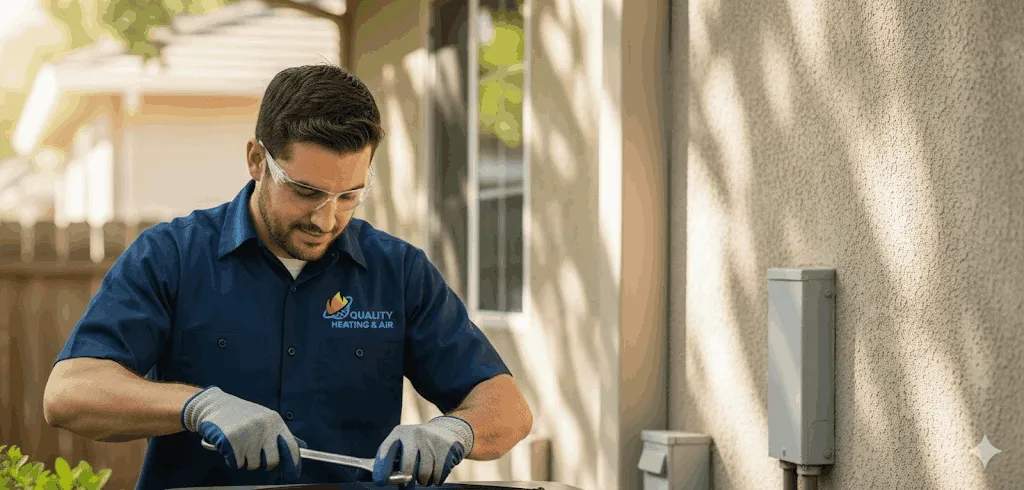
Water Heater Repair in Broomfield, CO
A reliable hot water supply is essential for daily life in Broomfield, from cold winter mornings to busy household routines. When your water heater fails, it quickly becomes an urgent problem: no hot water, leaks that threaten floors and cabinets, or gas and electrical issues that risk safety.
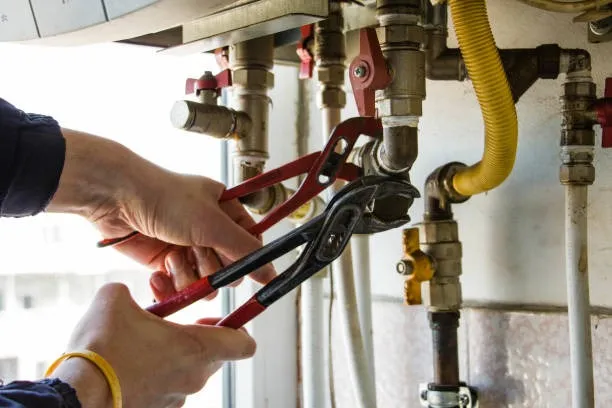
Common water heater issues in Broomfield, CO
- No hot water or inconsistent temperatures
- Electric heaters commonly suffer from burned heating elements or faulty thermostats. Gas units can lose ignition or have a clogged burner.
- Symptoms include only lukewarm water, rapid temperature drops, or hot water that runs out faster than expected.
- Leaks and visible corrosion
- Leaks can originate from fittings, the drain valve, the temperature and pressure relief (TPR) valve, or the tank itself. Corrosion of the tank walls often indicates end-of-life.
- Even small drips should be addressed promptly to prevent water damage in basements or utility closets.
- Strange noises (popping, rumbling)
- Mineral buildup and sediment are common in Colorado groundwater. Sediment on the tank bottom causes popping or rumbling as water heats and steam pockets form.
- Left unchecked, sediment reduces efficiency and can damage heating elements.
- Pilot light, ignition, or burner problems (gas units)
- Pilot or electronic ignition failures often result from faulty thermocouples, gas control valves, or electrical controls.
- Smell of gas, yellow burner flame, or repeated ignition cycling require immediate attention.
- Rapid cycling or short recovery times
- A failing thermostat, damaged heating elements, or heavy sediment can make the heater struggle to maintain set temperature or extend recovery times.
- Pressure or safety valve issues
- A leaking or stuck TPR valve is a safety concern and must be tested and repaired or replaced.
How professional diagnostics uncover the root cause
A focused diagnostic approach prevents unnecessary parts replacement and restores reliable performance quickly. Typical diagnostic steps include:
- Visual inspection for leaks, corrosion, and proper venting or combustion air.
- Fuel system checks for gas units: pressure, burner condition, flame quality, and safety controls.
- Electrical testing for continuity, voltage, and heating element resistance on electric water heaters.
- Thermostat and control verification to confirm accurate temperature sensing and proper operation.
- Sediment assessment by inspecting drain water and testing tank performance.
- Safety checks: TPR valve operation, expansion tank condition, and proper pressure settings for closed municipal systems common in Broomfield.
- If required, thermal imaging or combustion analysis for venting and heat exchanger integrity.
Typical repairs and parts replacement
Most repairs restore safe, efficient operation without full replacement. Common service items include:
- Heating elements and thermostats (electric units)
- Replacing failed elements and recalibrating thermostats restores temperature control and efficiency.
- Burner cleaning and gas control valve replacement (gas units)
- Cleaning burners and replacing malfunctioning gas valves or ignition components stops pilot or flame failures.
- TPR valve replacement and drain valve repair
- Faulty relief or drain valves are simple, safety-critical fixes to stop leaks and ensure proper pressure relief.
- Anode rod replacement
- Replacing a corroded sacrificial anode extends tank life by preventing internal corrosion.
- Dip tube replacement
- A broken dip tube causes cold water to mix with hot water at the top and leads to rapid hot water loss.
- Tank patching or full tank replacement
- Minor leaks sometimes can be temporarily patched, but through-tank corrosion usually requires replacement.
- Sediment flushing and tank cleaning
- Removing mineral buildup restores efficiency, reduces noise, and prolongs element or burner life.
- Expansion tank installation or recharge
- Adding or servicing an expansion tank protects plumbing from pressure spikes, especially in closed systems used across Broomfield.
Emergency water heater repair and safety in Broomfield homes
Broomfield’s cold winters and freeze events make prompt emergency response essential. Emergency situations include major leaks, suspected gas leaks, lack of hot water in freezing conditions, and electrical hazards. Emergency response focuses on:
- Immediate containment to prevent flooding and property damage.
- Safe shutoff of gas or electricity where needed.
- Temporary measures to restore hot water or isolate the unit until permanent repair is completed.
- Safety verification for combustion, venting, and pressure systems before returning the unit to service.
Service guarantees and transparent estimates
Trustworthy repair services back their work with workmanship guarantees and replacement part warranties. Expect:
- Clear, upfront estimates after diagnostics so you understand recommended repairs and options.
- Explanation of repair versus replacement tradeoffs based on the unit’s age, tank condition, and efficiency.
- Documentation of warranties on parts and labor to give confidence in the repair’s durability.
Preventative maintenance tips for Broomfield residents
Regular maintenance reduces emergency repairs and extends water heater life, especially given local water hardness and winter temperatures:
- Flush the tank at least annually to reduce sediment buildup; consider semiannual flushing for hard water areas.
- Inspect and replace the anode rod every 2 to 4 years, depending on water quality and usage.
- Test the TPR valve yearly to ensure it opens and closes freely.
- Insulate exposed hot and cold pipes and consider a tank blanket for older tanks to reduce heat loss in colder months.
- Keep the area around the water heater clear for ventilation and service access; protect outdoor tanks from freezing.
- Set the thermostat to 120 F for safety, comfort, and energy savings unless higher temperature is required for sanitation.
- Schedule a professional annual inspection to catch small issues before they become costly failures.
When repair is the right choice vs replacement
Repair is often the best option for isolated component failures on newer units. Replacement becomes more cost-effective when:
- The tank shows significant corrosion or multiple components are failing.
- The unit is past typical service life (usually 8 to 12 years for conventional tanks).
- Energy efficiency improvements or higher hot water demand justify an upgrade to a newer tank or tankless system.
Timely diagnosis and repair of water heaters protect your home from damage, restore comfort, and improve energy efficiency. For Broomfield homeowners, attention to local water conditions and winter protection goes a long way toward reliable year-round hot water.
Promotions
Save on seasonal system checks from a local team that treats your home like our own.

Testimonials
Neighbors trust Quality Heating & Air for honest work and fair pricing.