
Water Heater Repair in Westminster, CO
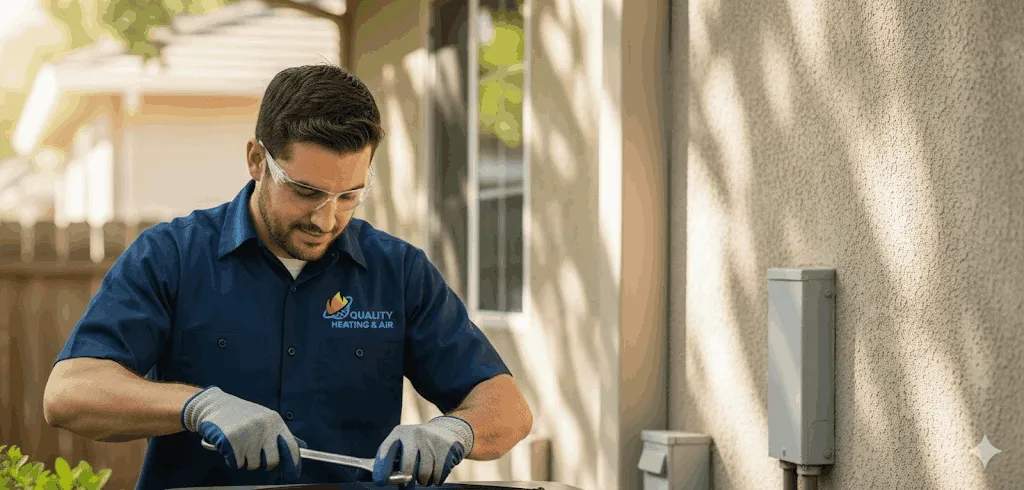
Water Heater Repair in Westminster, CO
Keeping reliable hot water is essential for daily life in Westminster homes. Whether you’re facing sudden loss of hot water on a cold morning or spotting a slow drip under the tank, timely water heater repair preserves comfort, prevents property damage, and avoids bigger replacement costs down the line.
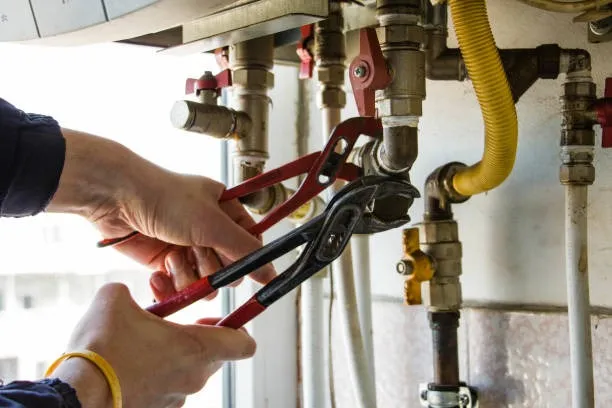
Common water heater problems in Westminster, CO
Westminster’s Front Range climate and local water conditions influence the failures homeowners see most often.
- No hot water or inadequate hot water: Often caused by failed heating elements (electric), faulty thermostats, a bad gas control valve (gas units), or sediment insulating the elements.
- Intermittent hot water or fluctuating temperature: Common with worn thermostats, failing dip tubes that mix cold and hot water, or sediment buildup causing uneven heating.
- Leaks around the tank or fittings: Corrosion through the tank, loose fittings, a failing temperature and pressure (T&P) relief valve, or a degraded drain valve.
- Pilot or ignition failures on gas heaters: Dirty pilot assemblies, faulty thermocouples, or failed electronic ignition modules can prevent ignition.
- Sediment buildup and poor efficiency: Westminster’s mineral content and high water use can cause sediment to collect in tanks, reducing efficiency and shortening component life.
- Strange noises: Popping or rumbling usually means sediment hitting the burner or heating element; ticking or hissing can indicate expansion or minor leaks.
- Water quality issues: Rusty or discolored water may point to corrosion inside the tank or a worn anode rod.
Diagnostic process — what a technician will do
A thorough diagnostic separates simple fixes from replacements and reduces repeat calls. Expect technicians to:
- Inspect visual signs: leaks, corrosion, venting condition, combustion discoloration, and nearby water damage.
- Check fuel and safety systems: verify gas supply and valve operation for gas heaters; test electrical breakers and element continuity for electric units.
- Test ignition components: pilot light, thermocouple, flame sensor, or electronic ignition module for gas models.
- Measure temperatures and pressures: confirm thermostat settings, test water temperature at taps, and check T&P valve operation.
- Evaluate sediment and internal condition: drain a sample to assess sediment level and inspect the anode rod to judge tank health.
- Recommend next steps: repair, part replacement, or full replacement based on age, tank integrity, and cost-effectiveness.
Typical repair services and parts replacement
Common repairs performed on-site include:
- Replacing thermostats and heating elements (electric units)
- Replacing thermocouples, pilot assemblies, gas control valves, or ignition modules (gas units)
- Replacing T&P relief valves, drain valves, and temperature sensors
- Flushing sediment and replacing anode rods to slow corrosion
- Repairing or replacing dip tubes and internal fittings
- Fixing minor leaks at fittings and replacing external connectors
- Rebuilding control boards or pressure switches for modern units
- Tankless water heater service: cleaning scale buildup, replacing sensors or ignitors
When a tank leak is internal or the tank shows extensive corrosion, replacement is typically the recommended and safer option. For tankless units, significant heat exchanger damage often leads to replacement.
Emergency repair availability and response expectations in Westminster
Cold snaps in Westminster increase demand for emergency water heater service. For urgent issues like major leaks, loss of hot water during freezing conditions, or any suspected gas leak, technicians prioritize safety and rapid response.
- Immediate safety steps to take at home: shut off water at the tank valve for leaks, turn off power at the breaker for electric units, and if you smell gas, evacuate and follow emergency protocols.
- Typical emergency response expectations: many local providers offer same-day service or prioritized appointments within a few hours for critical failures. Non-life-threatening but urgent problems are often scheduled within 24 hours.
- On-scene triage: emergency techs will isolate hazards, provide temporary repairs to stop leaks, diagnose the root cause, and advise whether a permanent repair or replacement is necessary.
Pricing guidelines and cost drivers
Rather than specific prices, focus on the factors that influence repair cost so you can evaluate estimates:
- Unit type and age: older tanks often need more parts and are less cost-effective to repair than newer models.
- Tank versus tankless complexity: tankless repairs can involve specialized parts and labor.
- Parts required: thermostats, valves, and heating elements vary widely in cost and availability.
- Accessibility and installation complexity: difficult-to-access units or those in tight spaces increase labor time.
- Permits and code upgrades: replacement units or major gas/electrical work can require permits and code-compliant venting or safety upgrades.
- Emergency or after-hours service: urgent calls may incur higher labor rates.
Ask for a written estimate that lists parts, labor, and any code-related work so you can compare options.
Preventative maintenance to avoid future breakdowns
Regular maintenance is the best way to extend water heater life and improve efficiency, particularly in Westminster where mineral buildup and seasonal demands are common.
- Annual flush: draining and flushing the tank to remove sediment protects heating surfaces and improves efficiency.
- Inspect and replace the anode rod every 3–5 years depending on water quality to slow tank corrosion.
- Test the T&P relief valve yearly and replace if it fails to operate smoothly.
- Set the thermostat to 120°F to balance comfort, energy use, and safety.
- Insulate older tanks and exposed hot water pipes to reduce heat loss and protect against cold snaps.
- Consider a whole-house water softener or a sediment filter if you notice rapid mineral buildup.
- Schedule a pre-winter inspection to verify venting, gas lines, and combustion safety.
Warranty and guarantee considerations
Understand typical warranty structures for water heaters so repairs preserve warranty coverage:
- Manufacturer warranties: new tanks often include limited warranties on the tank body and separate warranties on parts, commonly ranging by model and manufacturer; tankless units frequently offer longer heat exchanger warranties.
- Parts and labor warranties: many repair services provide limited warranties on parts and labor for a set period; document repairs and request written warranty terms.
- Void risks: improper DIY repairs or modifications can void existing warranties; use certified technicians for major repairs or replacements.
- Record keeping: keep invoices, model and serial numbers, and service records to support warranty claims or future service decisions.
Timely repair and maintenance in Westminster homes not only restores comfort but also safeguards safety and optimizes energy use. Understanding common problems, realistic diagnostic steps, typical repairs, emergency response practices, maintenance actions, and warranty basics will help you make informed decisions when addressing water heater issues.
Promotions
Save on seasonal system checks from a local team that treats your home like our own.

Testimonials
Neighbors trust Quality Heating & Air for honest work and fair pricing.