
Water Heater Installation in Westminster, CO
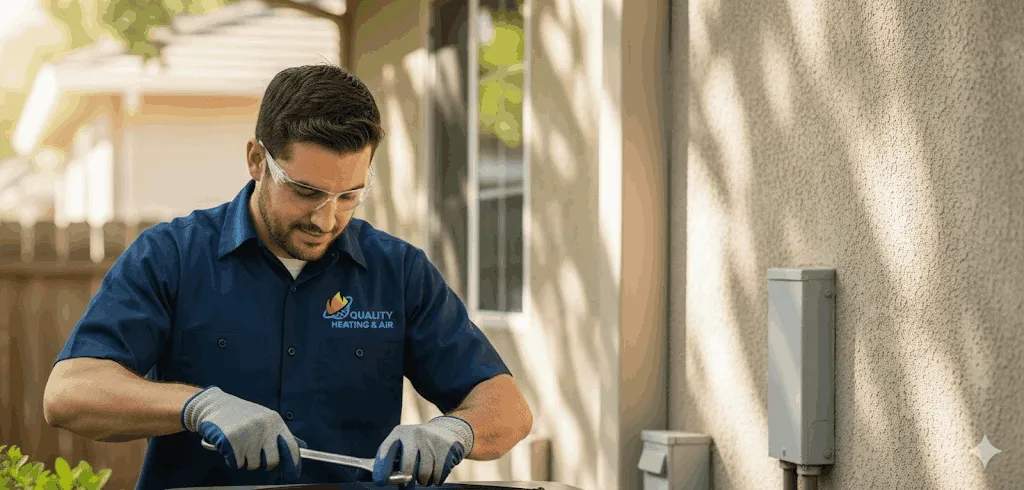
Water Heater Installation in Westminster, CO
Installing a new water heater is one of the most impactful home upgrades you can make for comfort, safety, and energy savings. In Westminster, CO, where cold winters and a growing number of high-efficiency homes increase hot water demand, a properly sized and professionally installed water heater prevents cold showers, reduces operating costs, and protects your home from leaks and code violations.
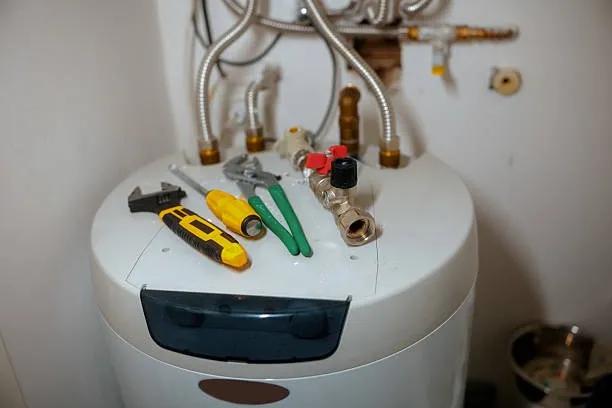
Common water heater needs and issues in Westminster, CO
- Inadequate capacity during winter months when household hot water use increases for showers and heating needs.
- Reduced efficiency and scaling from mineral-rich Denver metro water that can shorten tank life.
- Aging units that leak or fail suddenly, causing potential water damage.
- Desire to lower monthly utility bills with energy-efficient models like high-efficiency tank or tankless units.
- Space constraints in basements, closets, or garages that influence whether a tankless or compact tank system is best.
- Compliance with local building codes and permit requirements in Westminster.
Assessing household hot water needs and proper unit sizing
Sizing begins with a simple but essential assessment:
- Determine peak hour demand. Count simultaneous uses such as showers, dishwasher, and laundry to estimate gallons per minute (GPM) or first hour rating (FHR).
- For tank systems, choose a tank capacity with an FHR that meets or exceeds your peak hour demand. For tankless systems, size by required GPM and the temperature rise needed in Westminster’s colder incoming water. Groundwater in the Denver metro area can be colder in winter, which increases the required heating capacity for tankless units.
- Factor in household habits, future family size, and locations with longer winter seasons in Westminster. Proper sizing avoids frequent recovery cycles or short hot-water runs.
Tank vs tankless and energy-efficient model comparisons
- Tank water heaters: Simple, reliable, and often lower upfront cost. Best when high peak demand must be met without a large on-demand system. Efficiency varies by insulation and burner or element quality.
- Tankless water heaters: Provide continuous hot water on demand, reduce standby losses, and save space. Performance depends on correct sizing for GPM and temperature rise. In Westminster winters, expect lower inlet temperatures; this can require a higher-capacity unit or multiple units for larger homes.
- High-efficiency options: Condensing gas water heaters and high-efficiency electric heat pump water heaters can significantly lower energy use. Consider energy factors (EF) or Uniform Energy Factor (UEF) ratings when comparing models.
- Local climate impact: Lower incoming water temperature in Westminster increases the workload on any water heater, making higher-efficiency models more attractive for long-term savings.
Site preparation, permit needs, and Westminster code considerations
- Permit requirements: Westminster municipal building code typically requires a permit and inspection for water heater replacement or new installations. Permits ensure safe venting, gas hookups, combustion air, and proper drain pan placement.
- Clearance and ventilation: Gas units need correct venting and combustion air per code. Electric units need appropriate electrical service and disconnects. Installers will verify clearances and combustion ventilation specific to Westminster codes.
- Seismic and safety components: Use a drain pan with a dedicated drain to prevent floor damage, install temperature-pressure relief valve (TPR) and discharge piping directed to an approved location, and add expansion tanks if your home has a closed plumbing system.
- Altitude adjustments: Westminster elevation requires installers to check manufacturer guidance for altitude kits or adjustments for gas-fired appliances to ensure safe, efficient combustion.
Professional installation: step-by-step process
- Pre-installation assessment: Measure space, confirm clearances, verify inlet water temperature, and confirm required permits.
- Unit selection and final sizing: Confirm model, capacity, and any required accessories such as expansion tanks, condensate drains, or water softening if scaling is a concern.
- Power and gas shutoff: Safely shut off water, gas, or electrical service before removal.
- Removal of old unit: Drain and disconnect existing heater, properly dispose of or recycle the old equipment per local rules.
- Site preparation: Install or adjust drip pans, update venting or electrical connections, and prepare gas lines or electrical feed per code.
- Mounting and connections: Set tank or mount tankless unit, connect water lines (with dielectric unions if needed), gas piping with sediment trap, and attach venting or condensate lines.
- Safety installations: Install TPR valve, expansion tank, pressure relief, and leak detection devices as applicable.
- Commissioning: Fill system, purge air, and bring unit to operating conditions. For gas units, complete a combustion analysis and draft check. For electric or heat pump units, confirm correct electrical connections and settings.
- Testing and inspection: Pressure test for leaks, test TPR valve operation, verify setpoint temperatures, and ensure proper venting. Schedule required Westminster inspections.
- Homeowner walkthrough: Explain operation, safety features, and basic maintenance tasks to the homeowner.
Post-installation testing and commissioning
After installation, a professional should perform final checks:
- Leak and pressure testing of water and gas lines.
- TPR valve test and confirmation of proper discharge routing.
- Combustion efficiency and venting checks for gas units to ensure safe exhaust.
- Temperature checks and thermostat settings.
- Confirming expansion tank pressure and system balance.
Document findings and leave clear operating guidance for your household.
Warranty, financing, and protection options
- Manufacturer warranty: Varies by model and component; confirm coverage for tank, heat exchanger, and parts.
- Labor warranty: Often provided by the installer for workmanship. Ensure you receive documentation on warranty length and what it covers.
- Extended service plans: These can include annual maintenance and coverage for parts and labor beyond manufacturer warranties.
- Financing: Many homeowners use third-party financing or in-house options to spread upfront costs. High-efficiency upgrades in Colorado sometimes qualify for incentives or utility rebates that reduce net cost.
Recommended maintenance to ensure long-term performance
- Annual professional inspection: Check burner or element condition, venting, controls, and TPR valve.
- Flush tank at least annually to remove sediment and reduce scaling from Westminster’s mineral content.
- Replace sacrificial anode rod every 3 to 5 years or as needed to extend tank life.
- Test the TPR valve yearly and visually inspect for slow leaks.
- Consider a water softener if hard water is causing rapid scale buildup, especially for tankless units which are more sensitive to mineral accumulation.
- Keep venting and surrounding area clear to maintain safe combustion and airflow.
Quality installation and ongoing care will deliver reliable hot water through Westminster’s cold months and protect your investment for years. A correctly selected, code-compliant water heater tailored to your household’s needs improves comfort, reduces energy use, and minimizes risk of property damage from leaks or improper venting.
Promotions
Save on seasonal system checks from a local team that treats your home like our own.

Testimonials
Neighbors trust Quality Heating & Air for honest work and fair pricing.