
Water Heater Repair in Louisville, CO
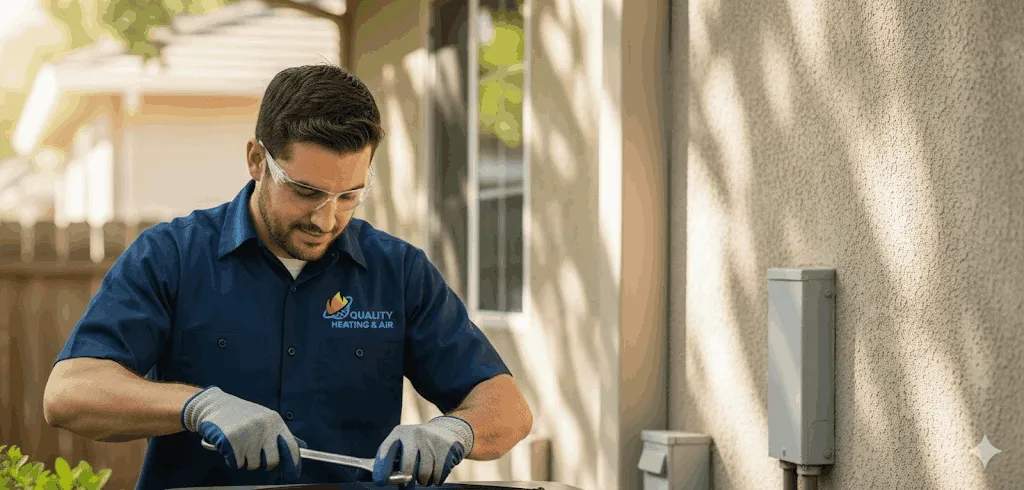
Water Heater Repair in Louisville, CO
A failing water heater disrupts daily life fast — no hot showers, laundry delays, risk of water damage. In Louisville, CO homes, local water chemistry and seasonal temperature swings make timely, expert water heater repair essential.
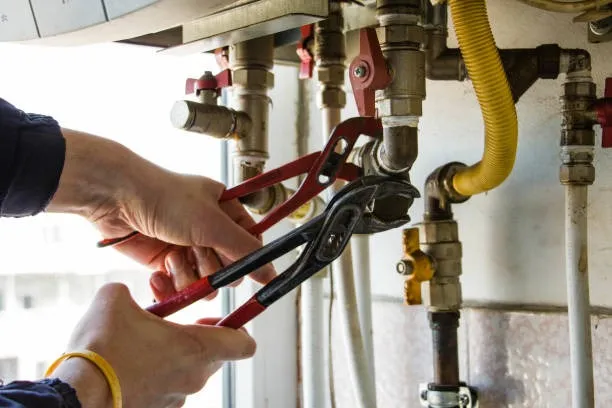
Common water heater problems in Louisville, CO
- No hot water
Causes include tripped breakers, failed heating elements, faulty thermostats, pilot or ignition failure on gas units, or gas supply interruptions. In cold months, unexpected failures are more disruptive. - Insufficient hot water
Often due to a failing heating element, a broken dip tube (which mixes cold and hot water), thermostat miscalibration, or a tank that’s undersized for household demand. - Leaks
Minor leaks can come from valves and fittings; leaks from the tank shell usually mean internal corrosion and a failing tank. Sediment buildup accelerates corrosion over time. - Pilot or ignition problems (gas units)
Pilot lights that won’t stay lit, electronic ignition failures, or gas valve issues prevent burners from heating the tank. - Strange noises
Rumbling or popping noises are usually sediment settling on the tank bottom and being heated; knocking or banging can signal high water pressure or scale buildup. - Scale and mineral buildup (especially tankless units)
Louisville’s water tends to be mineral-rich. Scale reduces efficiency, causes overheating, and in tankless systems can restrict flow or damage the heat exchanger.
How technicians diagnose water heater problems
Technicians follow a systematic approach to identify the root cause quickly and safely:
- Visual inspection of the unit, connections, and surrounding area for corrosion, leaks, and soot.
- Check power and fuel: Verify electrical supply, breakers, gas valves, and pilot/ignition systems.
- Temperature and pressure checks using thermometers and gauge tools to confirm thermostat operation and relief valve condition.
- Electrical tests with a multimeter to test elements, thermostats, and wiring continuity.
- Combustion analysis (gas units) to verify proper burner operation and venting.
- Drain/flush sample to assess sediment levels and anode rod condition.
- Flow and dip tube inspection for performance issues tied to hot water delivery.
- Scale assessment for tankless systems, often with surface inspection or flow sensors to detect restricted heat exchangers.
Typical repair solutions and cost level categories
Below are common fixes paired with the typical scale of cost and complexity. This avoids exact price figures while setting realistic expectations.
- Low-cost/Low-complexity repairs
- Resetting breakers or relighting pilots
- Replacing T&P (temperature and pressure) relief valve, drain valve, or thermostats on simpler models
- Flushing the tank to remove sediment
- Replacing sacrificial anode rod to slow corrosion
- Moderate-cost/Moderate-complexity repairs
- Replacing one or both heating elements (electric tanks)
- Repairing or replacing gas control valves or pilot assemblies
- Fixing plumbing fittings and isolated leak repairs
- Descaling or servicing tankless units to restore flow
- High-cost/Major repairs or replacement recommended
- Tank shell leaks due to corrosion (often not repairable; replacement typically recommended)
- Severe heat exchanger damage in tankless models
- Repeated failures where reliability and efficiency are compromised
Technicians will explain which category your situation falls into and whether a simple repair, more extensive work, or replacement is the most cost-effective, durable option.
Emergency repairs and typical local response times
Emergencies include active flooding from a leaking tank, the smell of gas, electrical burning smells, or loss of heat during freezing conditions. In suburban Front Range communities like Louisville, licensed technicians commonly provide:
- 24/7 emergency availability by many local service providers for urgent safety issues (gas smells, major leaks).
- Same-day service for non-life-safety but urgent problems such as no hot water in winter.
- Rapid response windows often measured in hours for emergencies and same-day or next-business-day for priority repairs.
If you suspect a gas leak or see active water flooding, prioritize safety first and follow local emergency protocols.
Repair vs. replacement: deciding factors for Louisville homeowners
Consider these factors to choose repair or replacement:
- Age of the unit: Conventional tank water heaters typically last about 8 to 12 years; tankless units often last longer. Multiple major repairs on an older unit usually favor replacement.
- Frequency and cost of repairs: If problems recur or repairs escalate in complexity, replacement becomes more economical over time.
- Tank condition: External rust, significant corrosion, or a leaking tank shell nearly always means replacement.
- Efficiency and energy use: Newer models are more efficient and can reduce energy bills, especially important with higher electric rates or to meet local energy goals.
- Household demand changes: Growing household size or new appliances can justify upsizing or switching to a different technology (tankless or high-efficiency tank).
- Local considerations: Hard water in the Louisville area can shorten life expectancy; investing in a unit with better corrosion resistance or adding water treatment can be part of the replacement decision.
Preventative maintenance to extend unit life
Regular maintenance is the single best way to avoid premature failure:
- Annual tank flush to remove sediment that causes inefficiency and noise.
- Inspect and replace the anode rod every few years depending on water quality.
- Test the T&P relief valve annually for proper operation.
- Check thermostat settings (120°F is usually sufficient and safer).
- Insulate exposed hot water pipes and the tank when appropriate to reduce heat loss and help in colder months.
- Install water-softening or scale-reduction measures if mineral deposits are frequent. This is especially useful for tankless systems.
- Have a qualified technician perform a yearly inspection to catch issues early and verify safe combustion and venting on gas units.
Why timely repair matters in Louisville homes Prompt, expert water heater repair protects your home from water damage, keeps heating costs down, and preserves safety. In Louisville’s climate — with cold winters and mineral-rich water — staying proactive with diagnostics and maintenance extends equipment life and prevents emergency failures when you need hot water most. Regular inspections and mindful decisions about repair versus replacement help you maintain reliable hot water while managing long-term costs and efficiency.
Promotions
Save on seasonal system checks from a local team that treats your home like our own.

Testimonials
Neighbors trust Quality Heating & Air for honest work and fair pricing.