
Mini-Split Tune Up in Northglenn, CO

Mini-Split Tune Up in Northglenn, CO
Keeping your mini-split heat pump operating reliably and efficiently is especially important in Northglenn, CO, where hot summer afternoons and cold, dry winters put seasonal stress on ductless systems. A focused Mini-Split Tune Up in Northglenn, CO targets the parts of your system that affect efficiency, comfort, noise, and longevity. Below is a clear explanation of what a professional tune-up includes, common local issues, the diagnostic and maintenance process, a checklist of tasks performed, expected benefits, recommended frequency, and practical scheduling information.
Why a mini-split tune-up matters in Northglenn
Northglenn homes experience wide daily temperature swings, dry air, and seasonal dust and pollen. Those conditions can clog filters, coat indoor coils, and accelerate wear on electrical connections and moving parts. Regular tune-ups help your mini-split:
- Maintain rated efficiency during peak cooling and heating seasons
- Reduce wear that leads to breakdowns on very hot or very cold days
- Keep indoor air cleaner by restoring proper filtration and drainage
- Quiet noisy fans and compressors that become louder with age or poor maintenance
Common mini-split issues in Northglenn, CO
Understanding local failure modes helps prioritize what a tune-up checks:
- Dirty filters and coils from seasonal dust, pollen, and pet hair
- Reduced airflow caused by blocked indoor units or impeded outdoor heat exchange
- Low refrigerant or slow leaks that degrade heating performance on cold days
- Weak or loose electrical connections that increase risk of intermittent operation or component failure
- Uncalibrated thermostats or remote controls producing uneven room temperatures
- Drain line clogs causing water leakage or mold growth in the indoor unit
What a professional mini-split tune-up covers
A focused tune-up package concentrates on inspections, cleaning, calibration, and performance testing to restore system health without full replacement work.
Inspection and diagnostics
- Visual inspection of indoor and outdoor units for physical damage, pests, and obstruction
- Check of system run hours, fault history (if available), and operating behavior
- Inspect mounting and clearance to ensure proper outdoor airflow
Filter and coil cleaning
- Remove and clean or replace washable filters; advise on filter type and cleaning frequency
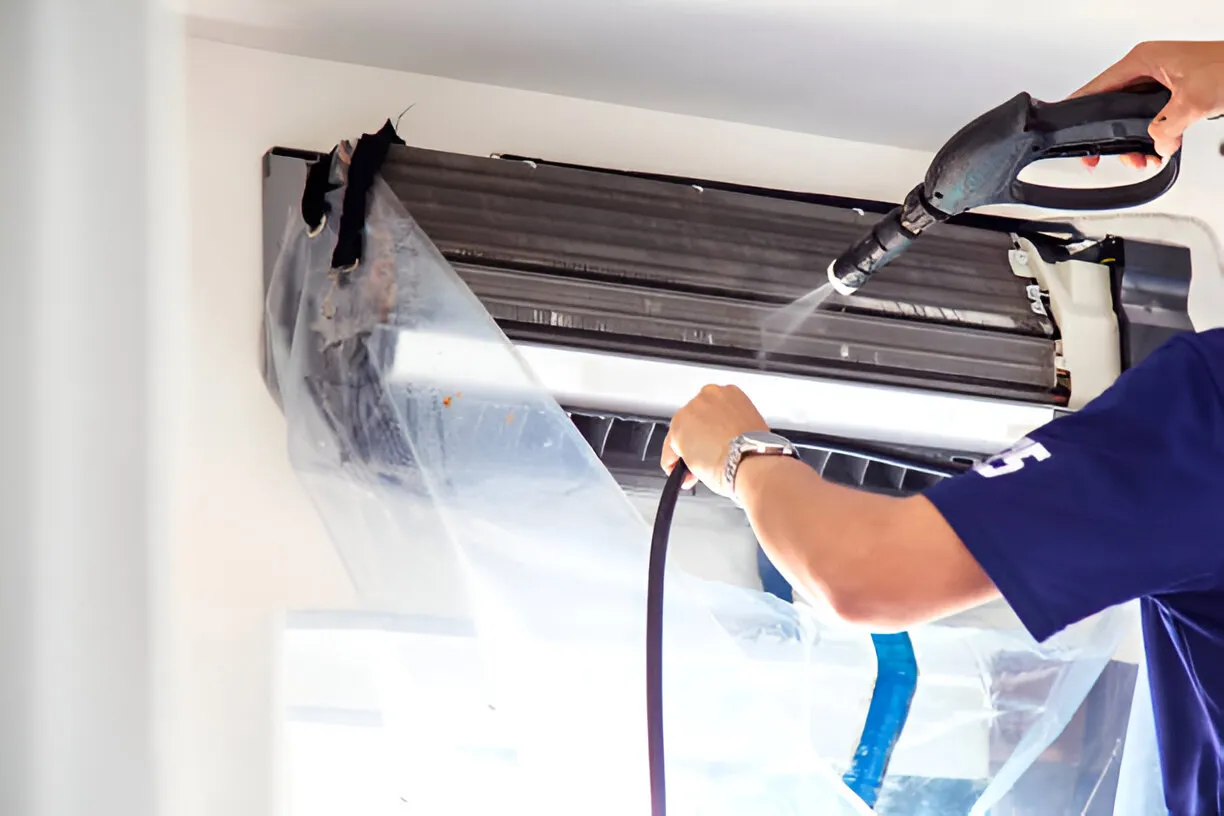
- Gentle cleaning of indoor evaporator coils and outdoor condenser coils to restore heat exchange
- Removal of dust, debris, and light buildup using low-pressure rinsing or brushing (no high-pressure washing that can damage fins)
Refrigerant and pressure checks
- Gauge reading of refrigerant pressures and temperatures to verify correct charge for current operating conditions
- Flag indications of low charge or imbalance that could indicate a leak (repairs require follow-up leak detection and repair)
Electrical safety and tightening
- Tighten terminal connections, check contactors, run capacitors, fuses, and wiring for signs of overheating or corrosion
- Verify proper amperage draw on motors and compressors to identify abnormal loads
Thermostat and control calibration
- Check remote and wall-mounted controls for accurate temperature reporting and response
- Recalibrate sensors and verify mode settings (heat/cool/auto), timers, and energy-savings features
Airflow and temperature performance testing
- Measure airflow and verify indoor fan operation across available speeds
- Perform temperature rise/drop testing across the evaporator to confirm efficient cooling/heating (typical cooling delta-T ranges and acceptable values checked)
- Evaluate outdoor unit performance under current ambient conditions to ensure reliable operation in hot or cold weather
Drainage and condensate management
- Clear and test condensate drain lines and pans to prevent overflow and mold
- Inspect and treat drain trap if needed to maintain positive drainage in dry Colorado air
Documentation and recommendations
- Provide an itemized checklist of work performed, findings, and recommended repairs or parts replacements with priority levels
- Advise on filter types, seasonal scheduling, and simple homeowner maintenance steps
Typical tune-up checklist
- Clean or replace indoor filters
- Clean indoor coils and blower assembly
- Clean outdoor coil and remove debris around unit
- Check refrigerant pressures and temperatures
- Tighten and inspect electrical connections and capacitors
- Test compressor and fan motor amperage and operation
- Calibrate thermostat and controls; verify sensor readings
- Check airflow and measure supply/return temps (ΔT)
- Inspect and clear condensate drain and pan
- Inspect mounting, line sets, and insulation
- Provide maintenance report and prioritized recommendations
A single indoor/outdoor mini-split pair typically takes 60–90 minutes for a full tune-up; larger multi-zone systems will require additional time.
Expected benefits after a tune-up
- Improved energy efficiency and lower monthly energy use when the system runs optimally
- Quieter operation due to balanced fans, clean coils, and secure components
- More consistent room temperatures and faster recovery on hot or cold days
- Fewer emergency repairs and extended system life through early issue detection
- Better indoor air quality from clean filters and proper condensate management
- Documentation that can help preserve any maintenance-based warranty requirements
Recommended frequency for Northglenn residents
- At minimum: annual tune-up (preferably before summer for cooling and before winter for heating)
- Ideal for heavy-use situations: twice per year—spring for cooling check and fall for heating check
- Homes with pets, heavy dust, or high pollen exposure: inspect and clean filters monthly and consider twice-yearly professional maintenance
Simple homeowner maintenance tips between tune-ups
- Clean or rinse washable filters every 2–4 weeks during heavy use
- Keep the outdoor unit free from weeds, leaves, and snow buildup; maintain at least 2 feet of clearance
- Avoid blocking indoor unit airflow with furniture or curtains
- Monitor for unusual noises, odors, or water leaks and log dates of any irregularities
- Save maintenance reports to track trends and plan future service
How scheduling typically works
Homeowners in Northglenn usually schedule a tune-up seasonally—before peak cooling or heating months—to ensure reliable performance when demand is highest. Professional HVAC providers generally offer phone, email, or online appointment options and will confirm appointment windows and arrival details. At the visit, the technician performs the tune-up, provides a written checklist of completed tasks, and outlines any recommended follow-up repairs or parts replacements.
A well-executed mini-split tune-up protects comfort and investment in Northglenn’s variable climate. Regular maintenance keeps systems efficient, quiet, and dependable through hot summers and cold winters while reducing the likelihood of mid-season failures.
Promotions
Save on seasonal system checks from a local team that treats your home like our own.

Testimonials
Neighbors trust Quality Heating & Air for honest work and fair pricing.