
Mini-Split Installation in Northglenn, CO

Mini-Split Installation in Northglenn, CO
Mini-split installation in Northglenn, CO provides an efficient, flexible way to heat and cool individual rooms or whole homes without ductwork. For homeowners dealing with inconsistent room temperatures, high utility bills, or homes with limited attic or basement space for ducts, a ductless mini-split offers targeted comfort and improved efficiency.
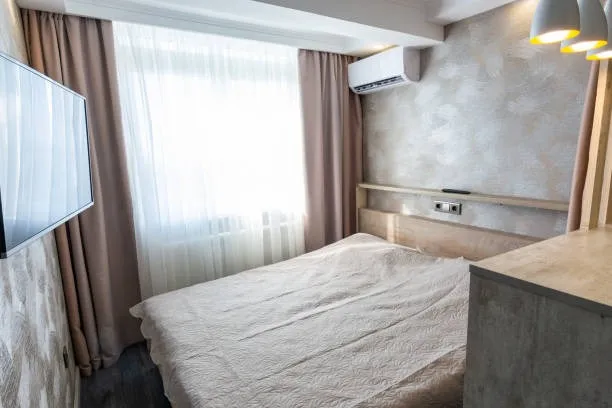
Why a mini-split makes sense in Northglenn, CO
Northglenn experiences hot summers and cold, dry winters at higher elevation. Mini-splits are well suited to this climate because they:
- Deliver zone-by-zone temperature control for rooms with different usage patterns.
- Provide heat pump-based heating that can efficiently supplement or replace electric resistance or older furnace systems during shoulder seasons.
- Improve comfort in additions, finished basements, or older homes where adding ducts is costly or impractical.
- Maintain performance at Colorado elevations when correctly sized and installed by technicians familiar with local conditions.
Common mini-split installation scenarios in Northglenn
Homeowners typically choose mini-splits for:
- Whole-home retrofits where ductwork is absent or degraded.
- Single-room comfort solutions for bedrooms, home offices, garages, or sunrooms.
- Basement or attic conversions where ductwork would be impractical.
- Supplemental heating to reduce furnace runtime and energy use.
- Improved indoor air quality in rooms prone to dust or moisture.
Initial site survey and load analysis
A thorough installation starts with an on-site assessment and load calculation. During the survey technicians will:
- Measure room dimensions, window orientation, insulation levels, and ceiling heights.
- Note local factors like sun exposure on the west side of homes, shaded rooms, and elevation impacts that affect heat gain and loss.
- Identify electrical panel capacity and potential upgrades needed for the outdoor unit.
- Confirm optimal indoor unit placement for airflow and aesthetic considerations.Accurate load analysis ensures correct unit capacity, prevents short-cycling, and maximizes efficiency in Northglenn homes.
Indoor and outdoor unit placement
Proper placement influences performance and longevity.
- Indoor units: Mounted high on interior walls in central locations per room. They should avoid direct sunlight, avoid obstructions, and be positioned to deliver airflow across the whole space.
- Outdoor units: Located on a level pad with clearance for airflow, typically on an exterior wall or ground-mount near the served rooms. Considerations include cold-season clearance, snow accumulation, and proximity to the electrical service.Technicians will evaluate noise sensitivity for bedrooms or living areas and select locations that balance performance, appearance, and service access.
Line-set routing, electrical requirements, and permits
Line-set routing and electrical preparation are key installation components.
- Line-sets: Copper refrigerant lines and a condensate drain are routed through a small hole in the wall or through an access channel. Proper slope and insulation of lines prevent condensation and efficiency loss.
- Electrical: Mini-split outdoor units require a dedicated circuit sized to the manufacturer specifications. An exterior disconnect and appropriate breaker protection are installed per local electrical codes.
- Permits and code compliance: Northglenn and Adams County have specific permit and inspection requirements. Licensed installers will secure required permits and schedule inspections to ensure safety and compliance.
Mounting and condensation management
Correct mounting and condensate handling prevent water damage and operational issues.
- Indoor units are mounted on a secure bracket and sealed at the wall penetration to keep out drafts and pests.
- Condensate: Drain lines are routed to a safe discharge point or condensate pump is installed when gravity drainage is not possible. In cold climates like Northglenn, condensate protection may be required to prevent line freeze.
- Vibration isolation and proper fasteners reduce noise and extend unit life.
Refrigerant charging, commissioning, and safety checks
Commissioning ensures the system operates as designed.
- Refrigerant charge: Technicians verify manufacturer-specified refrigerant levels and, when applicable, test and adjust charge to account for line-set length.
- Performance checks: System pressures, superheat/subcooling, and airflow are tested. Heating and cooling cycles are run under load to verify capacity.
- Safety checks: Electrical connections, grounding, disconnects, and circuit protection are inspected. Technicians confirm compliance with EPA refrigerant handling rules and local safety codes.
Post-installation testing and homeowner orientation
After installation, expect a thorough walk-through.
- Performance verification: Technicians will demonstrate heating and cooling modes, fan speeds, scheduling, and any smart controls.
- Controls and features: You will be shown how to use remote controls, smartphone apps, or wall thermostats for zone scheduling, energy-saving settings, and maintenance alerts.
- Maintenance basics: The handoff includes how to clean filters, check drain lines, and seasonal tips to preserve efficiency and prevent common problems.
Typical timelines for installation
Typical timelines vary by project scope:
- Single indoor unit installation: Often completed in one day, including commissioning and homeowner orientation.
- Multi-zone or whole-home systems: May require one to two days depending on the number of indoor units, routing complexity, and any electrical upgrades.
- Permitting and inspections: Allow additional time for municipal permit approval and final inspection scheduling in Northglenn.
Warranty, maintenance handoff, and long-term care
A solid warranty and maintenance plan prolong system life.
- Manufacturer warranty: Covers parts and compressor per manufacturer terms. Confirm what registration or initial maintenance is required to keep the warranty valid.
- Workmanship warranty: Installation-related guarantees cover piping, mounting, electrical connections, and commissioning tasks.
- Maintenance handoff: Regular filter changes, periodic coil cleaning, and annual system checks help maintain capacity and efficiency. In Northglenn, plan for seasonal checks before summer cooling and after winter operation.
Troubleshooting and common issues addressed at installation
Professional installation prevents many common problems:
- Undersized units leading to short-cycling and poor dehumidification.
- Improper line-set insulation causing frost or reduced efficiency.
- Poor condensate routing resulting in leaks or frozen drains in cold weather.
- Inadequate electrical supply causing tripped breakers or unsafe wiring.Proper site survey, correct sizing, and attention to local climate considerations prevent these issues from appearing after installation.
Promotions
Save on seasonal system checks from a local team that treats your home like our own.

Testimonials
Neighbors trust Quality Heating & Air for honest work and fair pricing.