
Mini-Split Repair in Northglenn, CO

Mini-Split Repair in Northglenn, CO
Mini-split systems are a common choice for Northglenn homes because they deliver efficient, zoned heating and cooling without ductwork. When a mini-split starts underperforming — noisy operation, weak airflow, inconsistent temperatures, or water on the floor — it quickly becomes a high-priority problem for comfort and indoor air quality.
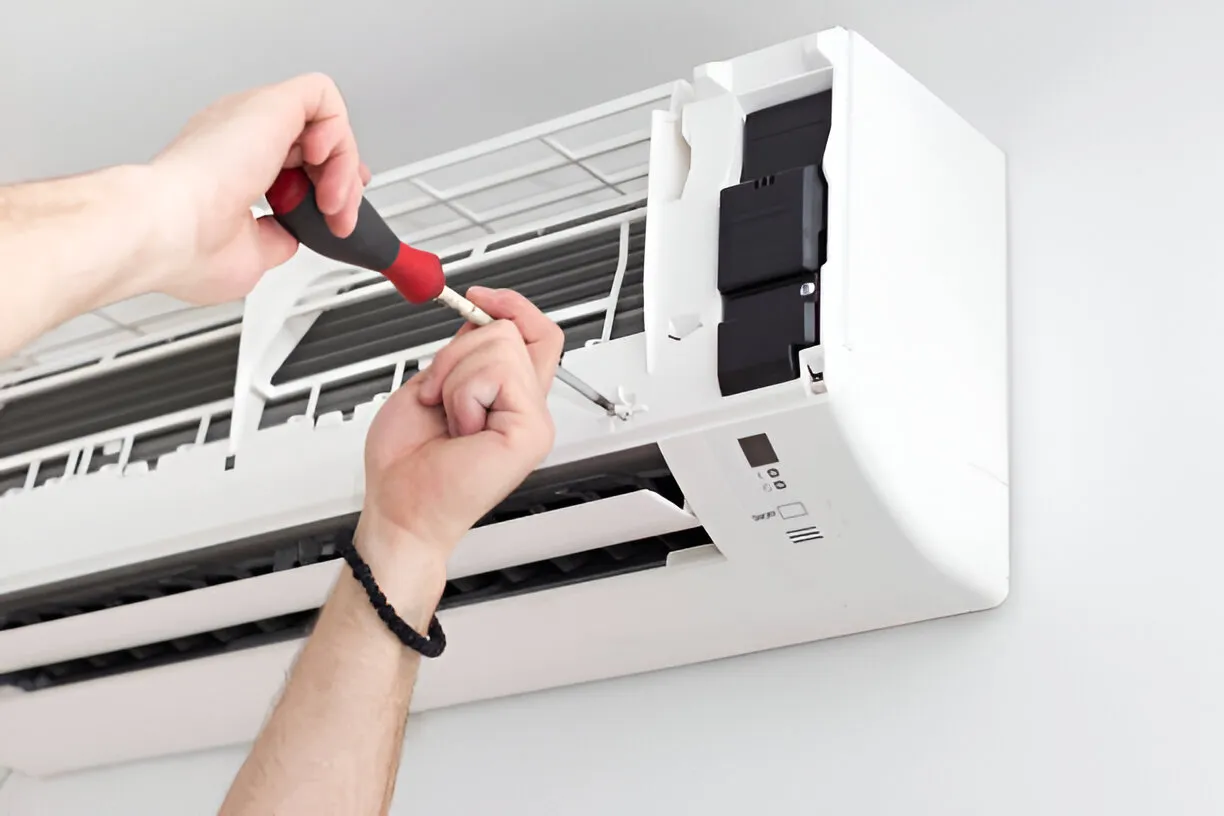
Common Mini-Split Problems in Northglenn, CO
Northglenn’s seasonal temperature swings, summer heat, and dusty conditions contribute to several recurring issues:
- Electrical faults: Tripped breakers, failed capacitors, worn relays or damaged control boards. Electrical surges and outdoor exposure can accelerate component failure.
- Compressor failures: Symptoms include loud humming, the system not cooling or heating even though fans run, or the outdoor unit not ramping up. High-elevation operation and extended on/off cycling during heat waves increase stress.
- Refrigerant leaks: Loss of refrigerant causes reduced cooling capacity and can ice up evaporator coils. UV exposure and damaged line-set insulation are common leak contributors.
- Sensor and thermostat faults: Bad thermistors or miscalibrated controllers produce incorrect temperature readings and short cycling.
- Drainage and condensate problems: Clogged condensate lines or faulty pumps lead to water overflow, water stains, or indoor humidity issues — a frequent problem when pollen and dust mix into condensate lines.
- Airflow issues: Clogged filters, dirty indoor coils, and failing fan motors reduce airflow and system efficiency.
- Mechanical noise and vibration: Loose mounting, worn bearings, or debris in the outdoor fan can cause irritating noise and eventual mechanical damage.
Step-by-step Diagnostic and Repair Process
Professional mini-split repair follows a structured process so problems are identified and fixed correctly the first time:
- Initial intake and triage: Technician gathers symptoms, model and age, and any recent events (power outage, construction work).
- On-site safety check: Power is isolated and verified safe before any detailed inspection.
- Visual and physical inspection: Examine indoor and outdoor units for signs of leaks, corrosion, rodent damage, or debris.
- Electrical diagnostics: Test voltage, current draw, capacitors, contactors, and control boards for faults.
- Refrigerant system check: Use gauges and electronic leak detectors to verify pressures, and perform a leak search with dye or ultrasonic tools if needed.
- Sensor and control testing: Confirm thermistor readings and controller communication; recalibrate or replace sensors as required.
- Condensate and airflow inspection: Clear and test drain lines and pumps; inspect filters, coils, and blower motors.
- Repair plan and approval: Technician explains findings, repair options, and any warranty implications before proceeding.
- Repair execution: Replace components, recover/recharge refrigerant per factory specs, repair wiring, and restore insulation on line sets.
- Performance testing and verification: Run the system to confirm correct pressures, temperature split, airflow, and stable electrical readings.
- Documentation: Provide a service record that notes parts used, test results, and warranty information for future reference.
Typical Repair Timelines and What Affects Repair Time
- Diagnostic time: Most issues are diagnosed within 30 to 90 minutes on-site.
- Minor repairs: Replacing a capacitor, sensor, or condensate pump is often completed the same day.
- Refrigerant repairs and leak repair: May require additional time for evacuation, vacuum testing, and leak sealing. A dye or extended leak search can extend the job.
- Major component replacement: Replacing a compressor or reversing valve is more involved — it can take several hours and may require ordering manufacturer parts that add days.
- Factors that extend timelines include parts availability, need for manufacturer-authorized components, and the complexity of refrigerant recovery and testing procedures.
Note: repair timeframes vary by problem complexity and parts lead times.
Emergency and After-Hours Response for Northglenn Homes
Mini-split failures outside normal hours can pose comfort and health issues. Emergency response typically includes:
- Remote troubleshooting questions to determine the severity.
- On-site stabilization such as isolating power, clearing condensate to stop indoor leaks, or implementing temporary airflow solutions.
- Prioritization of jobs that risk freezing conditions or water damage.Technicians follow safety-first protocols to limit risk and prevent secondary damage until full repairs can be completed.
Manufacturer and Warranty Handling
Handling warranty claims and manufacturer requirements is a key part of professional repair:
- Technicians verify model and serial numbers and confirm warranty status before replacing major components.
- Authorized replacement parts from OEMs (Carrier, Trane, Daikin, etc.) are used when warranty coverage requires them.
- Proper documentation, service records, and signed authorization are maintained to support warranty claims.
- If non-OEM parts are necessary, technicians will document the implications for warranty coverage so homeowners understand the tradeoffs.
How Certified Technicians Test and Verify Restored Performance
After repairs, technicians perform a series of checks to validate system health:
- Measure supply and return air temperatures to confirm the expected temperature split.
- Check refrigerant pressures and calculate superheat and subcooling to ensure correct charge.
- Verify compressor and fan motor amp draw against manufacturer specs.
- Re-inspect for refrigerant leaks after the system has run.
- Confirm condensate drainage and test for proper pump operation.
- Validate controller/thermostat communication and perform a customer walkthrough explaining new settings and maintenance suggestions.
Preventative Recommendations to Avoid Future Breakdowns in Northglenn
Regular preventive care extends system life and reduces emergency repairs, especially in Northglenn’s climate:
- Schedule a professional tune-up at least once a year; for year-round heating/cooling use consider biannual checks.
- Replace or clean filters every 1-3 months depending on occupancy and local dust/pollen levels.
- Keep the outdoor unit clear of debris, snow, and yard equipment; protect line-set insulation from sun and rodents.
- Clear condensate lines and test pumps seasonally to prevent overflows during heavy pollen or dust seasons.
- Address minor noises, reduced airflow, or temperature drift promptly before they escalate into compressor or electrical failures.
- Use manufacturer-recommended parts and refrigerant types to preserve performance and warranty coverage.
Timely, professional mini-split repair and consistent preventative maintenance keep Northglenn homes comfortable year-round, reduce energy waste, and minimize the risk of costly component failures. Certified technicians follow structured diagnostics and testing to restore systems to manufacturer performance and safety standards, with attention to the specific environmental stresses common in the Northglenn area.
Promotions
Save on seasonal system checks from a local team that treats your home like our own.

Testimonials
Neighbors trust Quality Heating & Air for honest work and fair pricing.